
Reviewed · ICELAND VOLCANO TOURS
Volcano Exhibition and Cinema – Lava Centre Iceland
Iceland’s volcanic story comes alive at Lava Centre, where you can watch eruption footage, track live earthquakes, and feel the ground shake in a simulator. The setting matters too: the centre looks toward Eyjafjallajökull, Katla, and Hekla, with volcanic islands also visible from the upper deck.
I especially like the hands-on displays and the film about recent eruptions around Grindavík and the Blue Lagoon. The exhibition also explains why Iceland has black sand, geysers, and colorful volcanic mountains, so the sights you see elsewhere begin to make more sense. One consideration: the visit may take only about an hour, so the $42 price feels strongest when you value the clear science, cinema, and views together.
Key points at a glance
- Feel a simulated earthquake: The Trembling Earth section shows how shifting plates and rising magma create frequent earthquakes.
- Watch Iceland erupt: The cinema focuses on recent eruptions, including events near Grindavík and the Blue Lagoon.
- See four major volcanoes: The Local Volcano section and observation deck look toward large, active but dormant volcanoes.
- Understand the black sand: Displays explain how lava and tephra shape Iceland’s beaches, mountains, and plains.
- Study volcanic structures: The Magma Learning Center covers the many forms created by Iceland’s roughly 30 volcanic systems.
- Bring the whole family: Ear muffs, flashlights, support teddy bears, and wheelchair access make the exhibition easier for different needs.
Why Lava Centre helps you read Iceland
Iceland can look like a collection of unrelated wonders: black beaches, steaming ground, cones, cliffs, and mountains streaked with color. Lava Centre gives you the connecting idea. The island sits across diverging tectonic plates, while a hot plume of rising material feeds extra volcanic activity beneath it.
You do not need a geology degree to follow the story. The centre uses displays, video, models, and physical effects to show what happens below your feet. That makes this a useful stop early in a South Iceland trip, before you visit more volcanic sights.
The centre focuses on forces rather than a long list of dates. You learn how magma rises, how it becomes lava once it reaches the surface, and how tephra forms when an eruption breaks molten rock into airborne fragments. That basic distinction pays off later, when you see ash layers, lava fields, or dark beaches in the open air.
The setting adds weight to the lesson. From Lava Centre, you can look toward four large volcanoes that are active but dormant, as well as a group of volcanic islands. Two of the volcanoes are among Iceland’s most active and productive, so the view is not just a pretty backdrop. It is part of the subject.
More Iceland Volcano Tours in Hveragerdi:
- Kerið Volcanic Crater Admission Ticket
★ 4.5 · 106 reviews - Golden Circle with Kerid Volcanic Crater Day Tour from Reykjavik
★ 4.5 · 2,826 reviews - Golden Circle, Volcano Crater and Blue Lagoon Small-Group Tour
★ 5.0 · 1,932 reviews
The Trembling Earth section makes plate movement physical
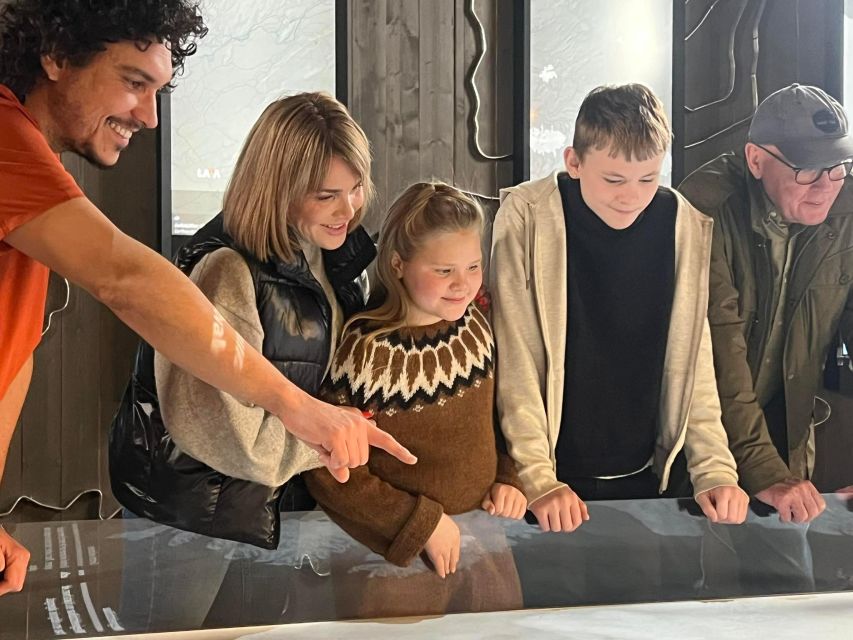
Start with the Trembling Earth area if you want the clearest introduction. Here, the exhibition explains how the plates pull apart and how rising magma can trigger earthquakes. Iceland is a place where plate movement is not an abstract idea on a classroom map, and this section makes that plain.
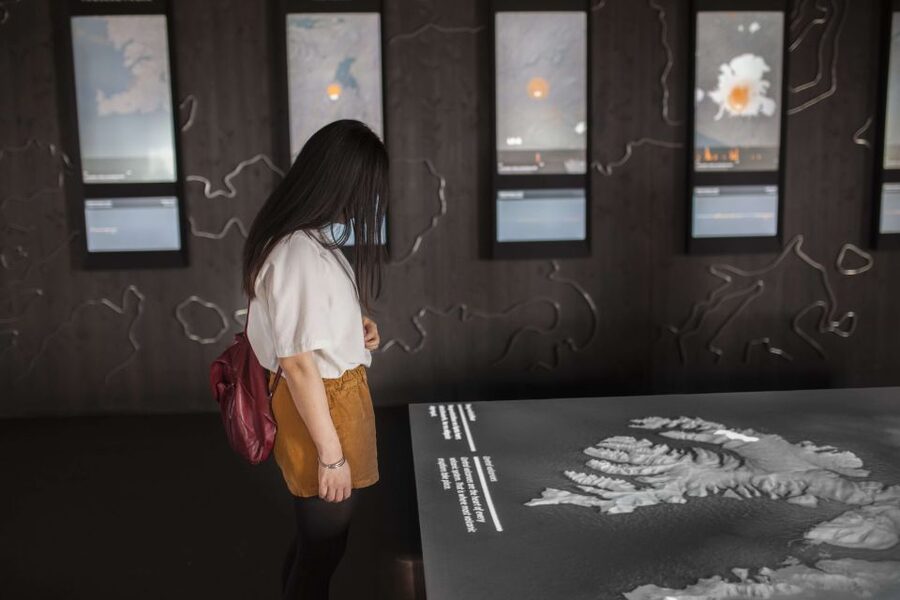
A live earthquake map adds a useful sense of scale. You can see seismic activity as something that happens across Iceland, not merely as a rare disaster captured in a film. The map helps connect the island’s active geology with everyday monitoring.
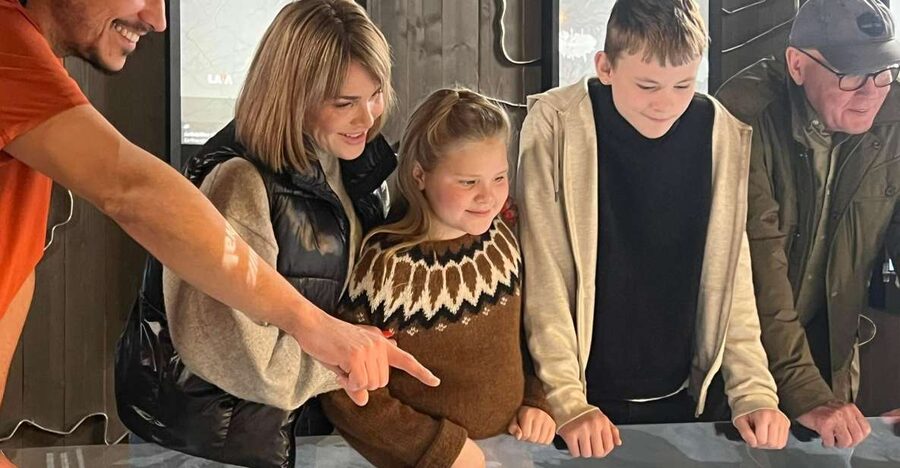
Then comes the earthquake simulator. The effect is designed to give you a physical sense of shaking rather than simply tell you that earthquakes occur. It is likely to be the most memorable part for children, though anyone sensitive to motion may prefer to watch rather than take part.
This section is short but important. Without it, the rest of the exhibition could feel like a collection of dramatic screens. With it, you understand that the volcanoes, cracks, and eruptions belong to one active system.
The Fiery Heart explains Iceland’s unusual location
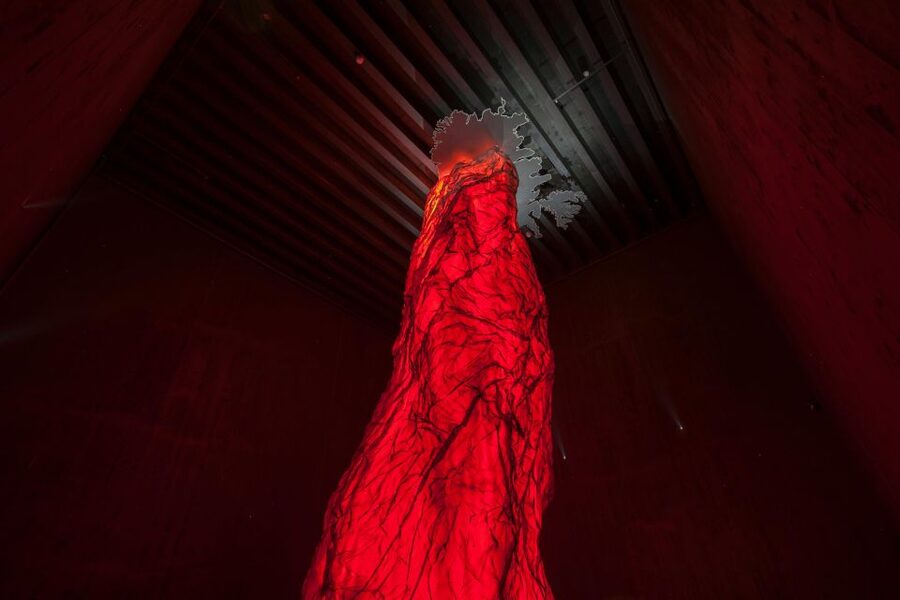
At the Fiery Heart of Iceland display, the focus shifts below the crust. You learn about the steady up-flow of magma at the boundary where tectonic plates separate, then see how that process interacts with a mantle plume beneath Iceland.
The display locates the hot spot in the central highlands. That detail matters because Iceland’s volcanic activity is not caused by plate separation alone. The combination helps explain why this island has such a strong concentration of volcanoes and why new ground continues to form.
The language can become technical, but the exhibition breaks the process into manageable steps. Magma is gaseous molten rock within the Earth’s crust and mantle. When it erupts, the material at the surface is called lava, while airborne fragments are called tephra.
That vocabulary is worth picking up. It helps you understand news reports about Icelandic eruptions and gives you a sharper eye during later sightseeing. A black field of solid rock, a dusting of ash, and a cloud of eruption fragments are not all the same thing.
The Magma Learning Center shows how volcanoes take shape
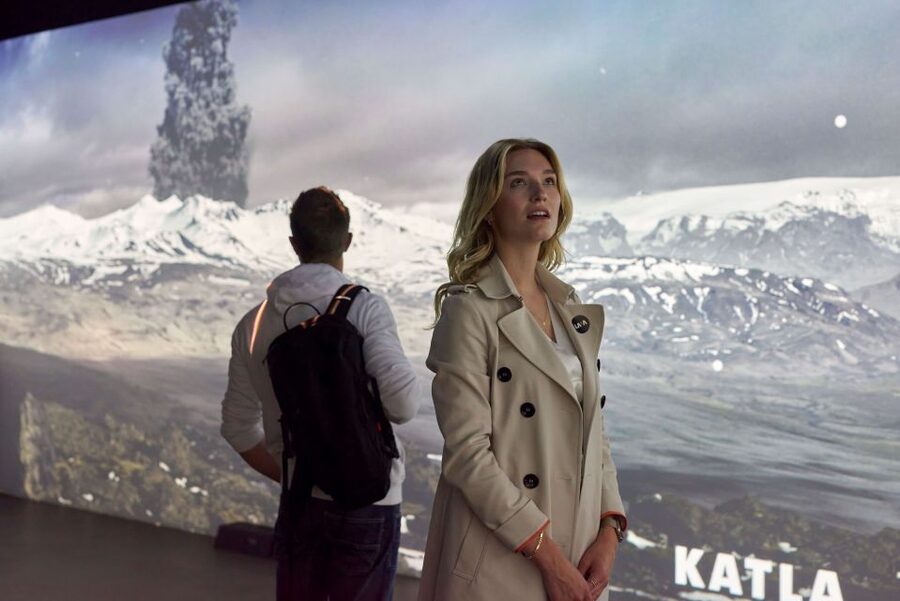
Iceland has about 30 volcanic systems, and they do not all produce the same kind of volcano. The Magma Learning Center introduces the different structures created by these systems and shows how magma, water, ice, and gas affect the final form.
Tephra gets special attention. When magma meets water or ice, or when it is especially thick with gas, it can break into pieces of many sizes. Those fragments may travel across a wide area, which helps explain why volcanic deposits can appear far from the opening that produced them.
This is one of the more useful parts for anyone planning to see Iceland beyond the main roads. The country’s colorful ridges and dark slopes are not random decoration. Their shapes and colors often point to different eruption conditions and materials.
I like this section because it gives you a way to interpret what you see. You are not simply told that volcanoes build land. You get a basic guide to the structures they leave behind.
A few more Hveragerdi trips to weigh up
- Hellisheiði Geothermal Exhibition: Entry and Audio Tour
★ 4.6 · 88 reviews - Reykjavik: Perlan Museum Wonders of Iceland Entrance Ticket
★ 4.7 · 2,575 reviews - Reykjavík: Hop-On Hop-Off Bus and Perlan Museum Entry Ticket
★ 4.3 · 719 reviews - Reykjavik: Whales of Iceland Museum Entrance Ticket
★ 4.4 · 493 reviews
The cinema brings recent eruptions into focus
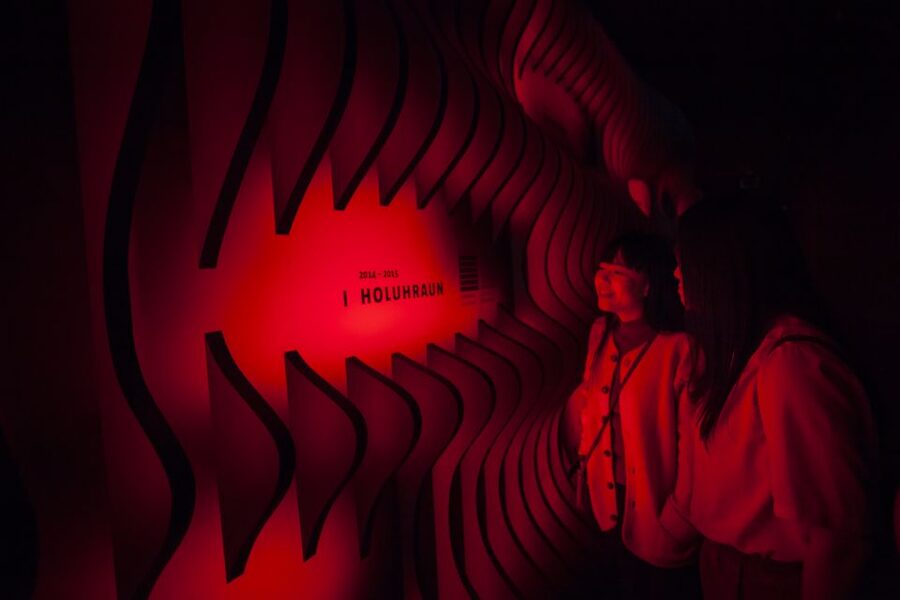
The cinema covers the latest eruptions, including the events around Grindavík and the Blue Lagoon. This is a strong contrast to the slower scientific displays. Instead of following magma through diagrams, you see the force of an eruption through moving images.
The film is especially useful if your Iceland trip does not include a safe view of an active eruption. Volcanic conditions change, access can be limited, and an eruption is never something to approach casually. The cinema gives you the drama without asking you to treat an active hazard like a sightseeing stop.
It also puts recent events into context. Grindavík and the Blue Lagoon are familiar names to many people planning a South Iceland itinerary, but the film helps show how quickly volcanic activity can affect roads, towns, and popular sites.
The film is one of the best reasons to avoid rushing through the centre. If you only walk past the exhibits, you miss the part that connects Iceland’s past geology with the eruptions shaping current news.
The observation deck turns science into a real view
After the indoor displays, go outside to the observation deck. You can look toward four large volcanoes and a group of volcanic islands, each with its own type and character. The view depends on conditions, but the purpose is clear: match the names and forms from the exhibition with the actual horizon.
Eyjafjallajökull, Katla, and Hekla are the key names to know. They are not interchangeable peaks. The centre presents them as different volcanic systems, and the view gives you a chance to see how varied Iceland’s volcanic terrain can be.
The deck is not a replacement for a dedicated mountain viewpoint. Its value is the connection between information and place. After learning how magma rises and how volcanic structures form, you can turn around and see the subject in front of you.
The indoor Local Volcano section offers another panoramic view, so you can study the horizon even if wind or cold makes the outside deck less comfortable. Bring your normal Iceland weather layers, since the outdoor experience is exposed by nature.
How long the visit takes
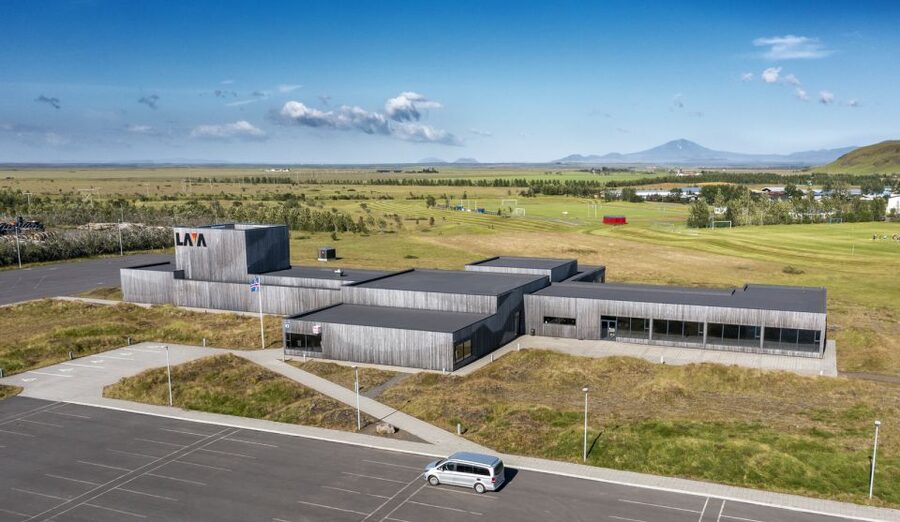
The booking information gives the experience a one-day validity, which refers to the period in which your admission is valid rather than promising a full day of activities. In practice, plan on about an hour for the main visit, with extra time if you read every display, watch the cinema carefully, and spend time on the observation deck.
That timing makes Lava Centre easy to fit into a South Iceland road itinerary. It can work as a focused educational stop rather than an all-day commitment. You will not need to build an entire day around it, but you should avoid squeezing it between two fixed appointments by only allowing a few minutes.
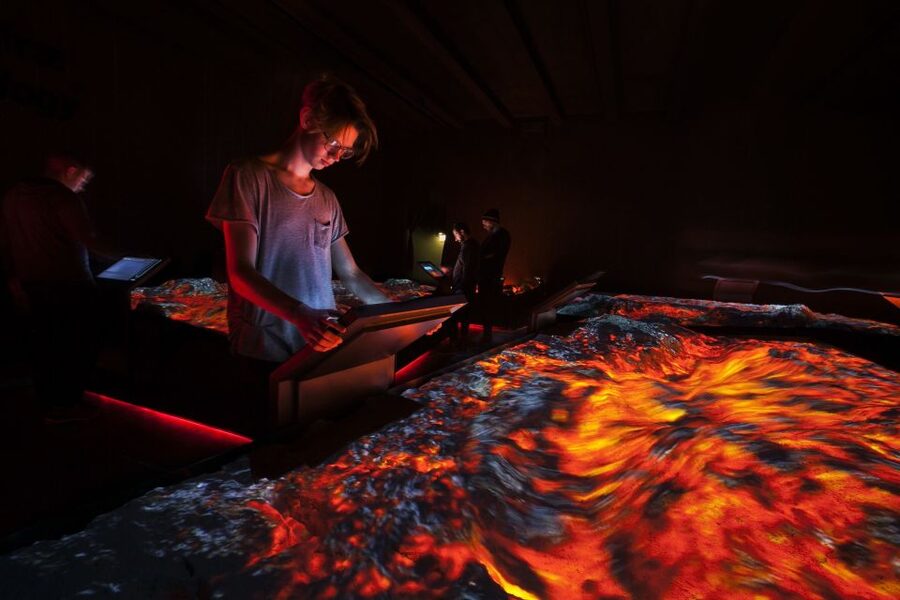
The pace is largely your own. You move through interactive stations, video displays, scientific explanations, and the viewing areas. That freedom suits families with different attention spans, though the amount of written and technical material means some children may prefer the simulator and visual displays to the explanatory panels.
English and Icelandic are the available languages, and hosts or greeters provide support in those languages. No individual guide names are provided, so expect a centre-based experience rather than a named personal tour.
Is the $42 admission good value?
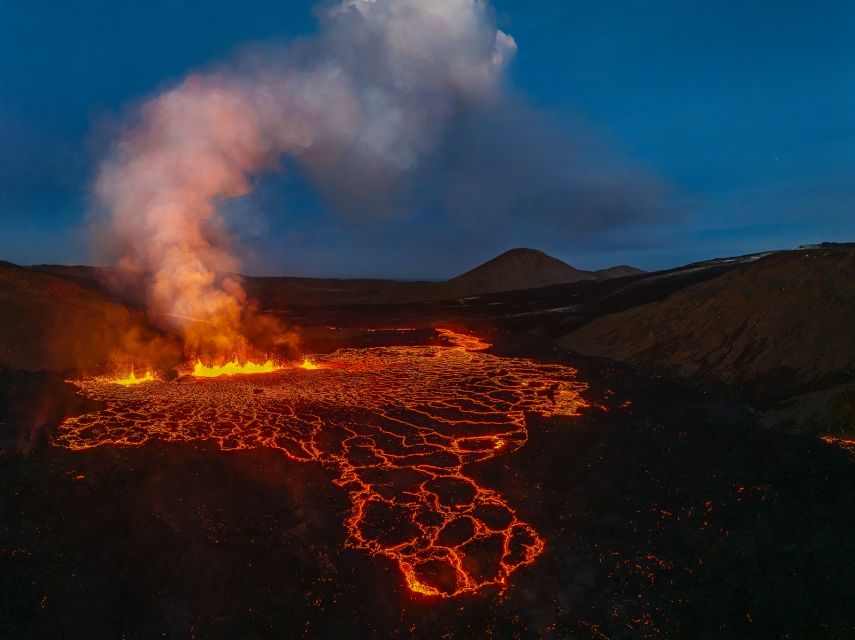
At $42 per person, Lava Centre is not a bargain-priced museum visit. The value depends on how much use you make of the combined admission, which covers the exhibition, cinema, and observation deck.
I think the price is easier to justify for first-time visitors who want a clear introduction to Iceland’s geology. You are paying for more than a room of panels: the earthquake simulator, live earthquake map, eruption film, interactive stations, and volcanic views all serve different purposes.
The price is less convincing if you only want a quick lookout or a short film. You can see volcanoes from many parts of Iceland without paying an admission fee, and an hour may feel brief if you prefer long museum visits.
For families, the practical extras help. Ear muffs, flashlights, and support teddy bears are available for the youngest children. Those touches do not change the ticket price, but they can make the visit easier when a child finds the sound, darkness, or earthquake effect too strong.
My advice is simple: allow enough time to use all three parts of the admission. Watch the film, do the interactive sections, and step onto the deck. The ticket works best as a compact package.
Who will get the most from Lava Centre
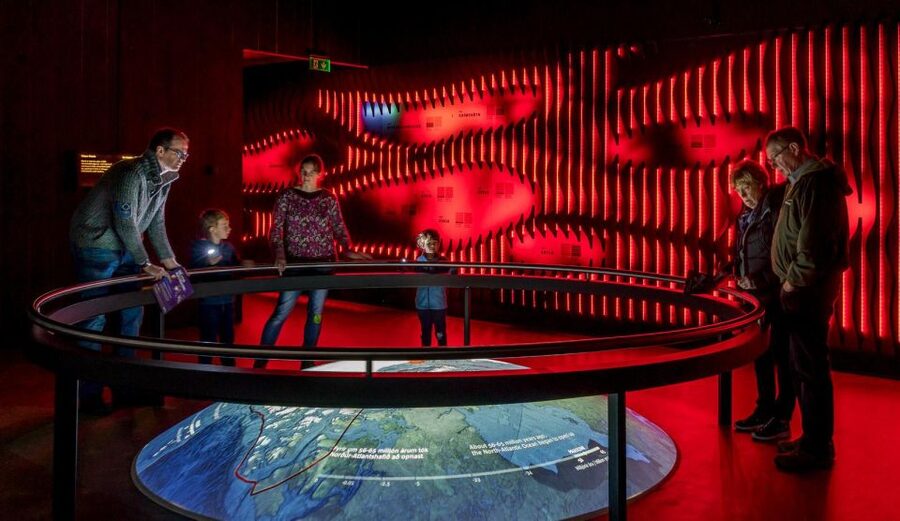
I recommend Lava Centre to anyone who wants more meaning behind South Iceland’s dramatic scenery. It suits adults who enjoy clear explanations, families who need hands-on activities, and children who learn better by seeing and feeling rather than reading alone.
It is also a smart stop for people who have never studied volcanoes. The centre starts with basic ideas and builds toward Iceland’s specific volcanic systems. You can learn the difference between magma, lava, and tephra without feeling as if you have entered a university lecture.
The cinema makes it worthwhile for people interested in recent events near Grindavík and the Blue Lagoon. If those eruptions are part of your reason for visiting Iceland, the film provides a focused way to understand what happened.
You may find it less rewarding if your main aim is a long outdoor walk or a close view of an active volcano. This is an indoor exhibition with a viewing deck, not a guided hike. The simulator offers a short physical effect, but most of the visit involves watching, reading, and using displays.
Access, family comfort, and practical limits
The experience is wheelchair accessible, which applies to the exhibition, cinema, and observation deck admission as described. Wheelchairs are included among the available facilities, making this a practical choice for visitors who need an accessible indoor attraction.
The ear muffs are useful for young children who may not enjoy the sound effects or simulated earthquake. Flashlights and support teddy bears are also available for the youngest visitors, so families do not need to treat the darker or more dramatic sections as an all-or-nothing experience.
Food and drinks are not included. Plan to handle those separately rather than expecting admission to cover refreshments. That is a small point, but it matters if you are building a full day of stops and want to keep your timing tidy.
Cancellation is flexible: you can cancel up to 24 hours in advance for a full refund. You can also reserve now and pay later, which helps if your Iceland route still depends on weather or road conditions. These policies do not make the ticket cheaper, but they reduce the risk of fixing your plans too early.
How Lava Centre fits a South Iceland day
Lava Centre works best as a planned pause between outdoor sights. After seeing waterfalls, beaches, or mountain views, the exhibition gives you a way to understand the forces behind them. It is also useful before outdoor stops because you will recognize volcanic features more easily.
Do not treat it as a substitute for every volcanic sight in the region. The deck offers a panoramic look, but it cannot provide the same scale as standing beside a black beach or looking across a broad lava field. Its job is to explain and connect.
If the weather turns poor, the indoor displays and cinema give you a solid alternative to standing outside. The observation deck may be less appealing in cold, wet, or cloudy conditions, but the main exhibition remains the core of the visit.
Book it when you want structure in your sightseeing. Iceland offers plenty of dramatic scenery, but without context it can blur together. Lava Centre slows the story down and gives names, causes, and processes to what you see from the car window.
Should you book the Lava Centre experience?
Book Lava Centre if you want a compact, accessible introduction to Iceland’s volcanoes, especially if recent eruptions near Grindavík and the Blue Lagoon interest you. The earthquake simulator, eruption cinema, interactive exhibits, and volcano views work well together.
I would be more cautious if you expect a full-day attraction or a guided expedition outdoors. The visit may take about an hour, and the $42 ticket asks you to value education as much as scenery.
For most South Iceland itineraries, I see it as a worthwhile stop rather than a must-do for every person. Families, first-time visitors, and anyone curious about the forces beneath Iceland will get the most from it. If that sounds like you, reserve a time that lets you watch the film and use the deck, not just pass through the entrance.
FAQ
Where is Lava Centre located?
Lava Centre is in Iceland’s Southern Region, in southern Iceland.
What does admission include?
Admission includes the Lava Centre exhibition, cinema, and observation deck.
How much does the experience cost?
The listed price is $42 per person.
How long is the activity valid?
The admission is valid for one day. The main visit may take about one hour, depending on how much time you spend at the displays, cinema, and observation deck.
Can I see recent eruptions at Lava Centre?
Yes. The cinema covers recent eruptions, including events in Grindavík and near the Blue Lagoon.
Which volcanoes can I see from the centre?
The views include Eyjafjallajökull, Katla, and Hekla. You can also see a group of volcanic islands and four large, active but dormant volcanoes.
Can I experience an earthquake?
Yes. The Trembling Earth section includes an earthquake simulator and a live earthquake map.
Is Lava Centre wheelchair accessible?
Yes. The experience is wheelchair accessible, and wheelchairs are included among the available facilities.
What languages are available?
The hosts or greeters speak English and Icelandic.
Are food and drinks included?
No. Food and drinks are not included in the admission.
Can I cancel my booking?
Yes. You can cancel up to 24 hours in advance for a full refund. You can also reserve now and pay later.
Just added around Hveragerdi
- Fludir Secret Lagoon Admission Ticket Only★ 4.5 · 16 reviews
- The Falcon : Superman ride with Mega Zipline Iceland★ 4.8 · 19 reviews
- Hveragerdi: Mega Zipline Experience★ 4.7 · 34 reviews
- Reykjavík: Buggy Adventure Tour★ 4.8 · 6 reviews
- Raufarhólshellir: Lava Falls Adventure Tour★ 4.8 · 38 reviews
- From Reykjavik: Private Golden Circle Tour in Iceland★ 5.0 · 3 reviews
- Kerlingarfjöll: Highland Baths Admission★ 5.0 · 3 reviews
- Kerið Volcanic Crater Admission Ticket★ 4.5 · 106 reviews
Iceland Volcano Tours, compared.
Golden Circle with Kerid Volcanic Crater Day Tour from Reykjavik
Read our review →
Golden Circle, Volcano Crater and Blue Lagoon Small-Group Tour
Read our review →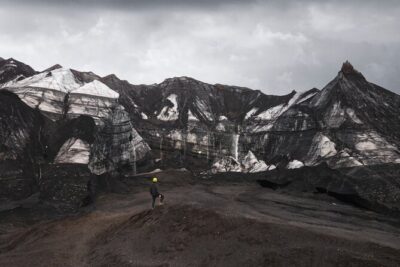
Ice Cave by Katla Volcano Super Jeep Tour from Vik
Read our review →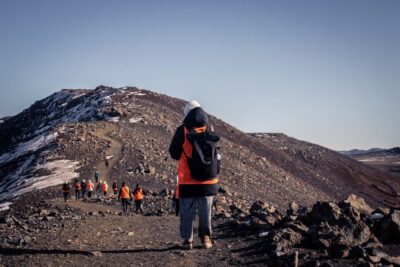
Volcano Eruption Site and Reykjanes Hiking Tour
Read our review →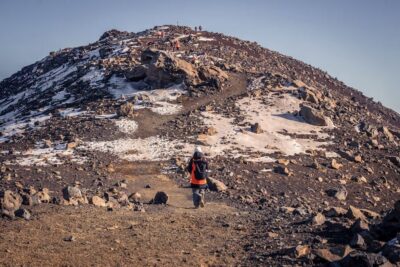
Guided Afternoon Hiking Tour to New Volcano Site
Read our review →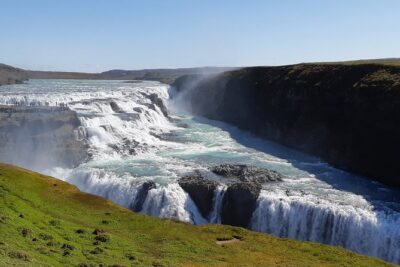
Golden Circle and Kerid Volcanic Crater Small-Group Day Tour
Read our review →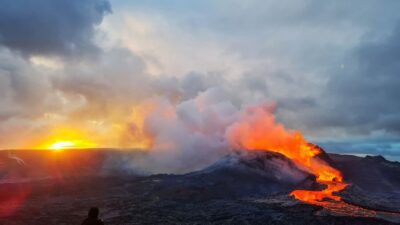
Browse the lists this tour appears in