
Reviewed · NORTHERN LIGHTS TOURS
8-Days Northern Lights Exploration Tour from Reykjavík
The northern lights are the headline, but this eight-day Iceland tour gives you much more than late-night sky watching. From Reykjavík, you travel through lava fields, glacier country, black-sand beaches, geothermal areas, and the icy world around Jökulsárlón. A Northern Lights Academy adds useful science to the spectacle.
I like the smart mix of nature and local life, especially the geothermal greenhouse and Icelandic horse visit, plus the hot-spring bread tasting near Geysir. I also like that airport transfers, breakfast, winter shoe spikes, a flashlight, WiFi, and seven nights of lodging are included.
The main drawback is the price, $3,186.01 per person, along with a fixed, busy schedule. You cover a lot of ground, but some stops are short, and the northern lights can never be promised.
Key points to know before booking
- Northern Lights searches take place throughout the tour, supported by an academy program with presentations and film.
- Jökulsárlón and Diamond Beach bring you face to face with floating icebergs and stranded chunks of glacial ice.
- The six-day escorted coach loop includes an English-speaking guide or driver-guide, air conditioning, WiFi, and parking fees.
- Local Icelandic culture gets real attention, from geothermal bread and eggs to horses, turf buildings, and old farm tools.
- Vatnshellir Cave takes you 35 meters underground and about 200 meters into a lava tube beneath Snæfellsjökull.
- The group can reach 40 people, so expect an organized coach tour rather than a small private outing.
What the eight days really feel like
This is a winter circuit built for first-time visitors who want Iceland’s major sights without arranging a rental car, hotels, routes, and daily weather decisions. You spend the first and last nights in Reykjavík, then travel for six escorted days through western Iceland, the Golden Circle, the south coast, and the glacier region.
The schedule is active but not built around hard hiking. You’ll walk up Grábrók crater, explore waterfalls, visit a cave, stroll on beaches, and move around museums and viewing areas. Winter equipment includes shoe grippers with spikes and a flashlight, useful additions when paths may be icy or daylight is limited.
The coach carries up to 40 people. That keeps the price more manageable than a private trip, but it also means you’ll need to return to the bus on time. The route packs in a lot, so I would choose this trip for broad coverage, not for long quiet stays at each site.
More Northern Lights Tours in Reykjavik:
- Iceland: Northern Lights Bus Tour from Reykjavik
★ 4.1 · 11,161 reviews - Small-Group Premium Northern Lights Tour from Reykjavik
★ 4.4 · 2,977 reviews - #1 Northern Lights Tour In Iceland from Reykjavik with PRO photos
★ 4.5 · 2,887 reviews
Reykjavík arrival and a gentle first evening
Your arrival transfer uses the FLYBUS Plus shuttle. Look for the Flybus vehicles just outside the airport terminal, using the voucher supplied after booking. The ride to Reykjavík’s BSI bus station takes about 45 minutes, and you may continue in the same vehicle or change to a smaller coach for the final hotel transfer.
The base hotel is Hotel Klettur, on Mjölnisholt. Laugavegur, Reykjavík’s main shopping street, is close by, so you can spend the first afternoon walking around if your arrival time allows. The first day is deliberately light, which helps after a flight and gives you a chance to buy anything you forgot.
On Day 2, meet the guide in the hotel lobby before the 9 a.m. departure. The opening city tour lasts about two hours, giving you a quick introduction before the coach heads into western Iceland.
Grábrók, hot water, and two very different waterfalls
Grábrók Crater is an excellent first stop because it gives you a clear sense of Iceland’s volcanic character without taking the whole day. The crater is about 3,000 years old, surrounded by moss-covered lava, and the walk to the rim takes roughly 20 minutes. From the top, you look across the lava field and the surrounding region.
The climb is short, but winter footing can make it feel more serious. Use the supplied spikes and take care on the path. This is a viewpoint stop, not a long mountain walk.
At Deildartunguhver, Europe’s most powerful hot spring sends out about 180 liters of water per second at nearly 97 degrees Celsius. You’ll see steam and boiling water close up, but keep to the marked viewing areas and follow your guide’s instructions. This is not a bathing stop.
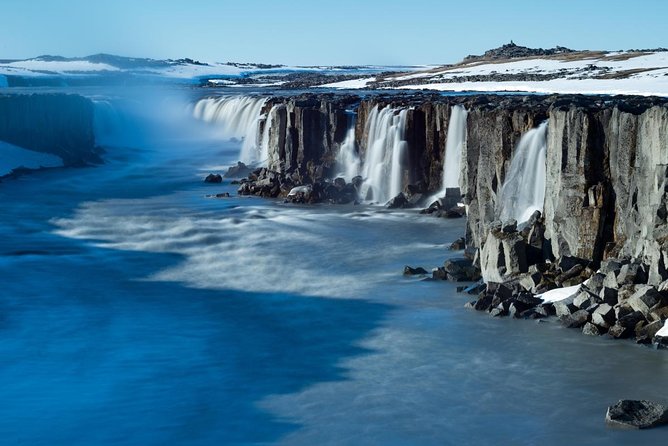
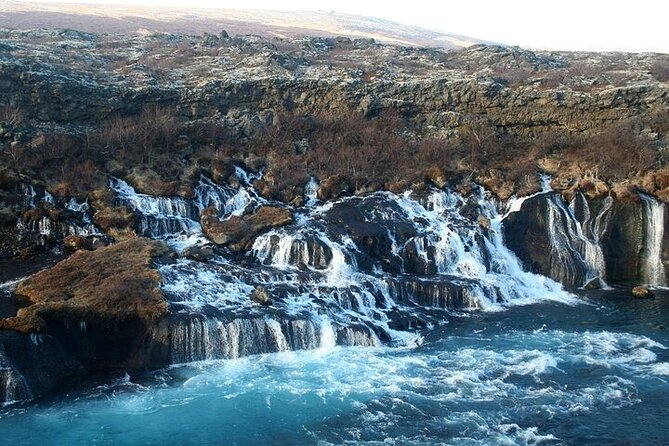
Hraunfossar is one of the route’s most graceful sights. Water appears to flow from beneath a birch-covered lava field, spreading across the riverbank in a broad series of falls. Nearby Barnafoss is more forceful, with water cutting through rock in twisted shapes and a tragic local story tied to its name.
You get about 20 minutes at each waterfall. That is enough to see the main viewpoints, but not enough for a slow wander along every path. Bring a waterproof outer layer. Icelandic winter weather can change quickly, and spray near the falls adds to the chill.
Snæfellsnes brings a mountain and a lava cave
Day 3 focuses on two contrasting experiences. Kirkjufell Mountain is a brief photo stop, only about 10 minutes, but the mountain’s unusual shape makes it one of Iceland’s most recognizable views. Keep your camera ready, because this is a quick pull-over rather than a long visit.
The more hands-on stop is Vatnshellir Cave. A guided visit takes you 35 meters underground and about 200 meters into a lava tube beneath the Snæfellsjökull glacier. You’ll see the volcanic world from the inside, a useful counterpoint to the craters, lava fields, and hot springs above ground.
The cave admission and guide are included. Since the supplied information does not describe the exact route conditions inside, ask the guide about the day’s footing if you have concerns. The included flashlight is part of the winter and Northern Lights equipment, though the cave visit is guided.
Same island, a completely different kind of day:
- Reykjavik: Golden Circle Full-Day Tour with Kerid Crater
★ 4.8 · 24,485 reviews - Reykjavik Food Walk – Local Foodie Adventure in Iceland
★ 5.0 · 18,952 reviews - Reykjavík: South Coast Waterfalls, Black Sand & Glacier Tour
★ 4.8 · 11,030 reviews - Reykjavík: Whale Watching and Marine Life Cruise
★ 4.6 · 9,838 reviews
The Golden Circle, with food and farm culture
Day 4 covers Iceland’s best-known trio of natural sights. Thingvellir National Park is both a geological site and a place of national importance. The Alþingi, Iceland’s historic parliament, began here, and the park has been a UNESCO World Heritage site since 2004.
You have about 45 minutes to walk around the plain, fissures, and the edge of Thingvallavatn, Iceland’s largest lake. It is a short visit, so focus on the main paths and viewpoints rather than trying to see the entire park.
At Geysir, the original geyser is dormant, but Strokkur erupts every five to 10 minutes. The two-hour stop gives you time to watch several eruptions, look at the bubbling pools, and take a break at the nearby facilities.
The food tasting here is a welcome local touch. You’ll sample bread baked using geothermal heat, served with Icelandic butter, boiled eggs, and herring. It is simple Icelandic fare, and it adds a sense of place that a quick photograph at a waterfall cannot provide.
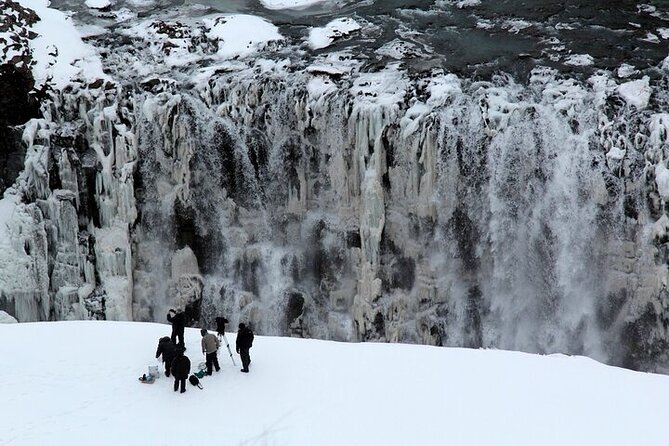
Gullfoss is the day’s grand natural sight. The Hvítá glacial river drops 32 meters in a double cascade, often throwing up spray and sometimes a rainbow. Winter can make the viewing paths slippery, and the cold wind near the falls is real, so layers matter.
At Friðheimar, you learn about Icelandic horses and visit a geothermal greenhouse. This stop helps explain how people use Iceland’s heat and limited growing conditions in practical ways. I especially like this part of the route because it moves beyond scenery and shows everyday Icelandic ingenuity.
Volcanoes, folk life, and the black beach
Day 5 begins at the Lava Centre, an interactive exhibition about geology and active volcanoes. The presentation uses modern technology, making it a good place to understand the volcanic forces behind the sights you have been seeing. You get about an hour here.
The route then passes under Eyjafjallajökull, the glacier covering the volcano that erupted in 2010. That eruption caused major disruption to air traffic across Europe, and the area gives the event a strong geographic context.
Skógar Museum offers a different kind of history. Its collection includes farm and household objects from Iceland’s past, along with several turf-built houses. An hour is enough for a focused visit, though anyone who enjoys folk museums could easily want more time.
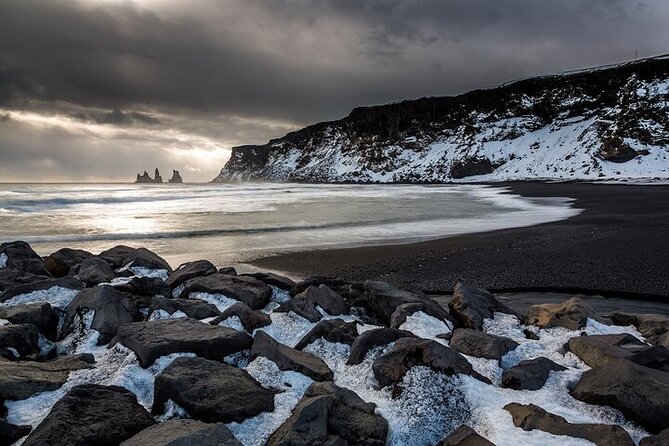
Reynisfjara is striking but deserves respect. The beach is made of black lava sand, with bird cliffs, basalt columns, caves, and offshore rock formations. The pounding surf adds drama, but this is not a casual swimming beach. Stay well back from the water and follow the guide’s directions.
Skógafoss drops 60 meters near the village of Skógar. You have about 30 minutes, enough to enjoy the broad front view and take photographs. Spray and wind can soak clothing, so keep rain gear handy even if the sky looks clear.
Icebergs at Jökulsárlón and Diamond Beach
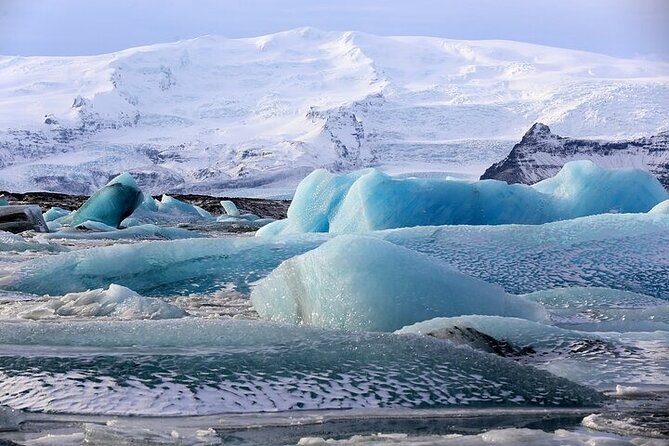
Day 6 reaches the coldest, most memorable part of the route. Jökulsárlón is a glacial lagoon filled with floating icebergs. You may see seals in the water, and the ice shifts in color and shape as it drifts through the lagoon.
The stop lasts about 40 minutes. That is enough to walk along the shore and watch the ice, but you should not expect a boat trip or a long glacier excursion. No such activity is included.
Across the road, Fellsfjara is commonly called Diamond Beach because chunks of ice from the lagoon wash up on the black sand. The contrast between dark volcanic sand and clear or blue-white ice makes this one of the best places for photographs on the trip.
At Hof, you make a short photo stop by a turf church built in 1883. It is the youngest turf church in Iceland, and the compact visit gives you a glimpse of an older building tradition without taking time from the glacier region.
Vatnajökull National Park completes the day. It contains Iceland’s highest mountains, an alpine environment, and Europe’s largest glacier. The one-hour visit is mainly about seeing this vast glacial region, not undertaking a long hike.
The south coast and a geothermal finale
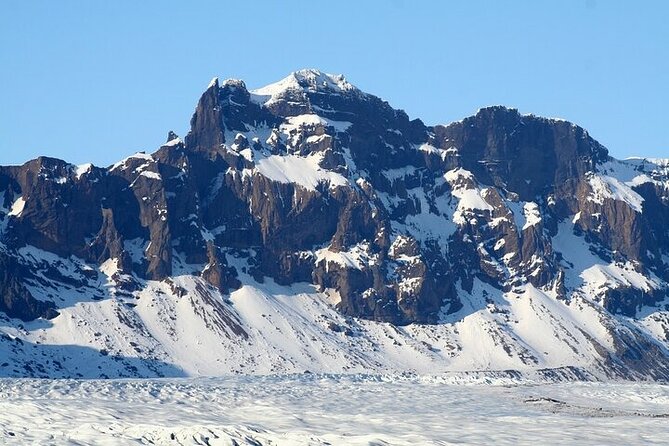
Day 7 retraces part of the south coast with a stop in Vík. The village provides another look at the black beaches and bird cliffs that define this part of Iceland. The photo stop lasts about 30 minutes.
Seljalandsfoss is famous for the path behind its falling water. The waterfall drops from an overhanging lava cliff, and the experience can be memorable if conditions allow access. You should not expect to stay dry, so pack waterproof clothing and protect cameras and phones.
The final major stop is the Blue Lagoon, where admission and a towel are included. The lagoon sits in a broad lava field and owes its existence to a nearby geothermal power plant. After several days of cold viewpoints and coach rides, two hours in warm geothermal water can feel like a well-earned pause.
The Blue Lagoon may not always operate as planned. A recent volcanic closure led the company to rebook one guest for Sky Lagoon instead, and that replacement was described as an excellent alternative. This is useful context: volcanic activity can alter plans, and flexibility matters on an Iceland winter tour.
Day 8 is free time in Reykjavík before departure. The central hotel location lets you walk to Laugavegur and spend your final hours at your own pace.
How the Northern Lights part works
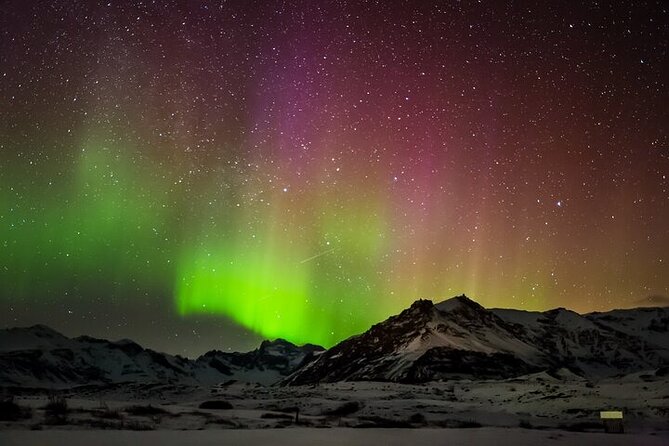
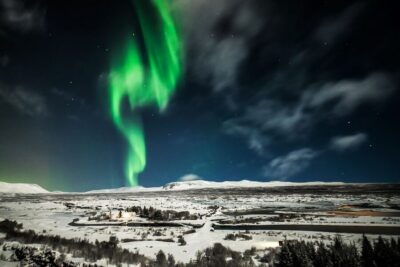
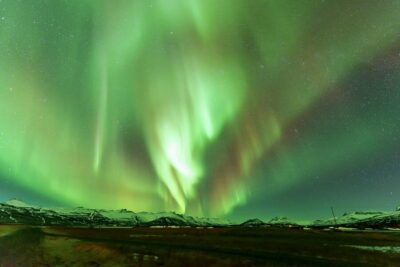
The tour asks you to keep watch for the aurora each night, rather than treating it as a single scheduled outing. The Northern Lights Academy adds presentations and film about the science, followed by searches for the lights.
That educational part matters. You learn what creates the aurora and why sightings depend on conditions beyond the operator’s control. One direct account from the trip included two Northern Lights sightings, which shows the possibility, not a promise.
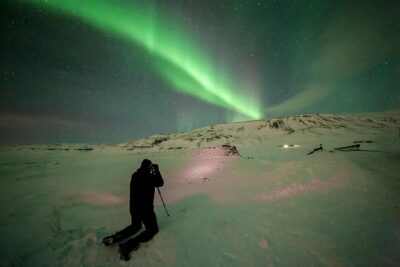
The included flashlight and shoe spikes are practical. Winter searches can mean standing outside in darkness and cold, so bring warm layers even when you are mainly interested in photography. The tour is best for someone who understands that the lights are a natural event, not a guaranteed performance.
What the $3,186.01 price includes
At $3,186.01 per person, this is a substantial purchase. The value depends on how much planning you want to hand over to the operator.
The price includes seven nights in comfort tourist-class hotels, seven breakfasts, the airport transfers, the six-day guided coach circuit, cave admission and guiding, the Lava Centre, Skógar Museum, Friðheimar, Seljalandsfoss access, the Blue Lagoon, and the Northern Lights Academy program.
It also covers the vehicle, WiFi on board, parking fees, and winter equipment. Those details add up in Iceland, where accommodation, transport, and paid attractions can quickly become expensive.
Meals beyond breakfast and the stated tasting are not included. You should budget for lunches, dinners, drinks, and personal services. The schedule includes stops at major sights, but you’ll need to manage your own additional food costs.
I see the strongest value in the route design and logistics. You do not need to drive winter roads, find seven nights of lodging, or decide how to reach distant places such as Jökulsárlón. The weaker value is time: some stops are only 10 to 40 minutes, and a private trip would offer more control.
Who should choose this tour
I would choose this trip if I wanted a broad first look at Iceland in winter, preferred guided transport, and cared about seeing the northern lights without building a nightly plan myself.
It suits you if you like a full sightseeing schedule, can handle long coach days, and want a mix of geology, culture, museums, waterfalls, beaches, and geothermal bathing. Most people can participate, and the group size can reach 40.
I would hesitate if you want slow photography sessions, long hikes, private guiding, or complete control over meals and hotel choices. I would also think carefully before booking if your dates cannot change, since the experience is non-refundable and cannot be amended after purchase.
Should you book it?
Book this tour if convenience and range matter most. You’ll see Grábrók, Kirkjufell, Thingvellir, Geysir, Gullfoss, Reynisfjara, Jökulsárlón, Diamond Beach, and the Blue Lagoon, while also getting cave time, museum visits, food tasting, and local farm culture.
Skip it if you want a relaxed pace or a guaranteed aurora. The best reason to book is the complete package: winter transport, hotels, breakfast, guiding, attractions, and nightly Northern Lights searches in one plan. The best reason to hold back is the fixed schedule and high price.
FAQ
How long is the Northern Lights tour?
The experience lasts approximately eight days and includes seven nights of accommodation.
Where does the tour start?
The guided tour starts at Hotel Klettur in Reykjavík, with the guide meeting you in the lobby before the 9 a.m. departure on Day 2.
Is airport transportation included?
Yes. Arrival and departure transfers are provided through the FLYBUS Plus shuttle. The airport transfer has no guide.
How many people can join the tour?
The maximum group size is 40 people.
Is the tour conducted in English?
Yes. The escorted bus tour includes an English-speaking guide or driver-guide.
Are hotels and breakfast included?
Seven nights in comfort tourist-class hotels and seven breakfasts are included.
Is the Blue Lagoon included?
Yes. Blue Lagoon admission and a towel are included, with a planned visit of about two hours.
Are meals included beyond breakfast?
No. Additional meals, drinks, and services are not included. The tour does include the geothermal bread and egg tasting near Geysir.
Just added around Reykjavik
- Reykjavik: Whale and Puffin Watching RIB Boat Tour★ 4.6 · 179 reviews
- Reykjavik: Whale Watching Express★ 4.3 · 227 reviews
- Reykjavik: Whale Watching & Lava Show★ 5.0 · 4 reviews
- Reykjavik: Whale & Marine Adventure Tour★ 4.3 · 71 reviews
- From Reykjavík: Viking Horseback Tour in Hafnarfjörður★ 4.9 · 112 reviews
- Reykjavík: Horse Riding Tours★ 4.9 · 127 reviews
- Luxury Private Transfer from Reykjavik to Keflavik Airport★ 5.0 · 9 reviews
- Day Trip to Snæfellsness Peninsula from Reykjavik★ 5.0 · 7 reviews
Northern Lights Tours, compared.
Small-Group Premium Northern Lights Tour from Reykjavik
Read our review →
#1 Northern Lights Tour In Iceland from Reykjavik with PRO photos
Read our review →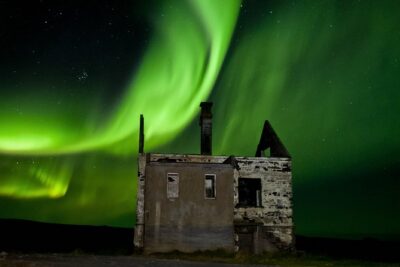
Northern Lights Small-Group Tour with Hot Chocolate & Photos
Read our review →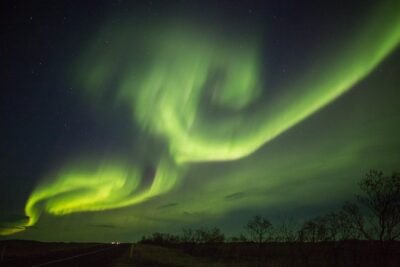
Northern Lights Bus Tour from Reykjavik with Hot Chocolate
Read our review →
Browse the lists this tour appears in