
Reviewed · CITY TOURS
Reykjavik City Card 48 hours
Reykjavík’s best bargain may be a simple plastic card that turns a museum day, a soak in a geothermal pool, and a ferry trip to Viðey Island into one flexible plan. At $58.63 for 48 hours, it rewards you most when you use public transport and visit several included sites.
I like the free city buses, which remove the worry of paying for each ride, and the public thermal pools, where you experience a normal part of Icelandic life rather than a costly spa package. The included ferry to Viðey is another fine bonus.
The catch is clear: you must exchange your digital voucher for a physical card, and the places you most want to see may not all be included. If your visit is short or your sightseeing list is narrow, individual admission can cost less.
Key points to know before buying
- Two days of bus travel: Unlimited public bus use in the Reykjavík region can quickly improve the card’s value, especially when you are staying outside the center.
- Geothermal pools are included: Laugardalslaug, Sundhöllin, Vesturbæjarlaug, Árbæjarlaug, and several suburban pools accept the card.
- Viðey ferry access adds a real outing: You can pair a short boat trip with birdlife, open space, and modern art away from central Reykjavík.
- The Settlement Exhibition is a strong history stop: Its centerpiece is an actual settlement-era hall excavated in central Reykjavík.
- Art choices are unusually broad: The card covers national collections, contemporary galleries, sculpture museums, and the three Reykjavík Art Museum sites.
- Plan around opening times: You gain the most from the card when you group nearby museums and leave room for a pool visit or ferry trip.
How the 48-hour Reykjavík City Card works
This is not a guided tour. You get a pass and choose how to use it during a 48-hour period. The card covers admission to several public museums, Reykjavík’s public buses, a ferry ride to Viðey, several geothermal swimming pools, and the Reykjavík Family Park and Zoo. It also provides discounts at selected restaurants, entertainment venues, and attractions.
The listed price is $58.63 per person. At first glance, that may seem high for a city that is easy to explore on foot. Yet Reykjavík is spread out enough that bus rides matter, particularly for Árbær Open Air Museum, the suburban pools, Kópavogur, and some of the museums near the waterfront.
The card makes financial sense if you use it as a city sampler. Two or three museums, a thermal pool, several bus trips, and the ferry can bring you close to the cost of the pass. It is a weaker deal if you only visit one museum and spend most of your time walking central Reykjavík.
You receive a digital voucher, but you must exchange it for the physical City Card. This is the main practical nuisance. Pickup locations are limited, and some redemption points may not open until later in the morning, so check the current location and hours before setting out. If you arrive early, redeeming the card the previous day may save you a lost morning.
A few more Reykjavik trips to weigh up
- Reykjavik: City Sightseeing Hop-On Hop-Off Bus Tour
★ 3.9 · 1,283 reviews - Reykjavík City Card
★ 4.3 · 964 reviews - City Sightseeing Reykjavik Hop-On Hop-Off Bus Tour: 24 or 48-Hour
★ 3.0 · 839 reviews
Start with Reykjavík’s two strongest history museums
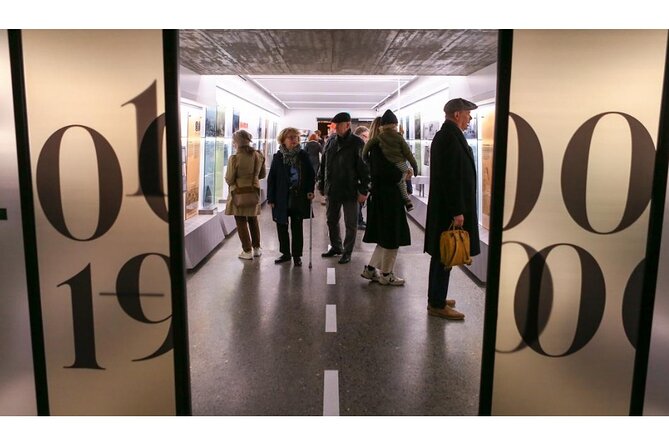
The National Museum of Iceland deserves about two hours. Its objects trace Icelandic cultural history and give you a useful framework for the rest of your stay. I would place it near the beginning of your 48-hour period, since it helps explain the settlement, religious change, daily life, and national development you encounter elsewhere.
The displays are meant to connect the past with the present and future. Allow time for the labels, though lighting can be uneven in places. One practical point: make sure you are heading to the National Museum rather than the National Gallery. They are different institutions, and it is easy to confuse their names when planning quickly.
The Settlement Exhibition takes less time, usually around 40 minutes, but it packs a powerful historical punch. The museum was built around the remains of a hall occupied from about 930 to 1000. Nearby turf walls date to shortly before 871, making this one of the oldest known human-made structures in Iceland.
This is the kind of museum that works well between other downtown stops. It is not a large building full of rooms. Instead, the preserved archaeological remains give you a direct sense of the first settlement of Reykjavík. I consider it one of the card’s best uses, especially for anyone who wants more than scenic views and shopping streets.
At Aðalstræti 10, another Reykjavík City Museum site, you spend about 30 minutes in a museum and exhibition space in one of the city’s oldest areas. It is a small stop, but easy to combine with the Settlement Exhibition and the Museum of Photography.
The Culture House takes roughly two hours and presents Points of View, an exhibition built from collections held by six major Icelandic cultural institutions. Art, books, maps, archival material, and museum objects are arranged by theme. It gives you a broad look at how Iceland presents its visual culture, though people seeking a single focused collection may prefer the National Gallery.
Choose your art stops with care
The National Gallery of Iceland focuses mainly on Icelandic art from the 19th and 20th centuries, with international works as well. Its collection includes Icelandic artists as well as names such as Pablo Picasso, Edvard Munch, Karel Appel, Hans Hartung, Victor Vasarely, Richard Serra, and Richard Tuttle.
Plan about two hours here. The gallery is a good choice if you want to understand Icelandic painting and sculpture rather than simply see a famous building. The international works add useful comparison, but the local collection is the reason to come.
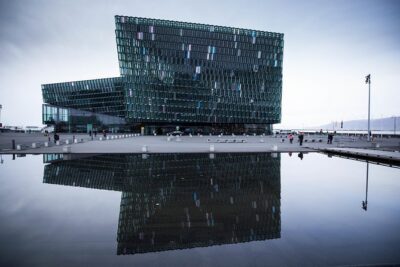
Reykjavík Art Museum Hafnarhús is in an old harbor warehouse from the 1930s. Its six galleries host local and international contemporary art, with exhibitions ranging from established artists to newer voices. It also houses work by Erró, an important Icelandic figure in international pop art.
Give Hafnarhús about two hours if contemporary art interests you. If not, you can make a shorter visit and spend more time along the harbor. The setting matters here. This was once one of the country’s largest buildings, in the oldest part of the harbor, where Reykjavík’s early docks were located.
Kjarvalsstaðir is the best pick for a calm art visit in a park setting. Its large windows face Klambratún Park, and the building itself is a fine example of Nordic modernism. Exhibitions focus on paintings and sculptures by established modern artists, including Jóhannes S. Kjarval, one of Iceland’s most recognized artists.
Allow about an hour. I like this stop for the balance of art and architecture. It feels less crowded and more spacious than a tightly packed downtown gallery.
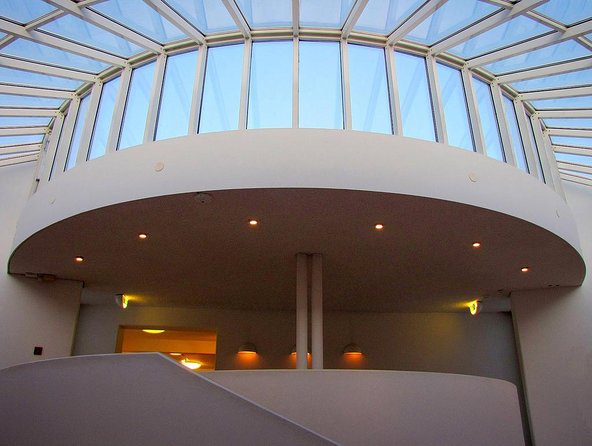
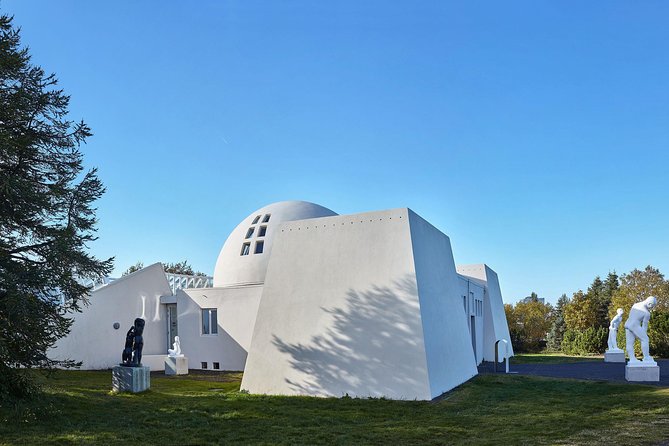
Ásmundarsafn is a much smaller, more distinctive experience. The building was designed and used by sculptor Ásmundur Sveinsson, and its white dome is surrounded by his sculptures. Inside, the building’s Mediterranean-inspired design is almost as interesting as the exhibitions.
Forty minutes is enough for many people. Visit the garden even if you are short on time. The outdoor sculptures and unusual architecture make this one of the card’s most memorable brief stops.
The Sigurjón Ólafsson Museum occupies the sculptor’s former studio at Laugarnes. His widow converted the studio into an exhibition space in 1984, and the museum remains dedicated to his work. Allow around 50 minutes. It is a specialized stop, best for visitors who enjoy sculpture and artist studios more than large national collections.
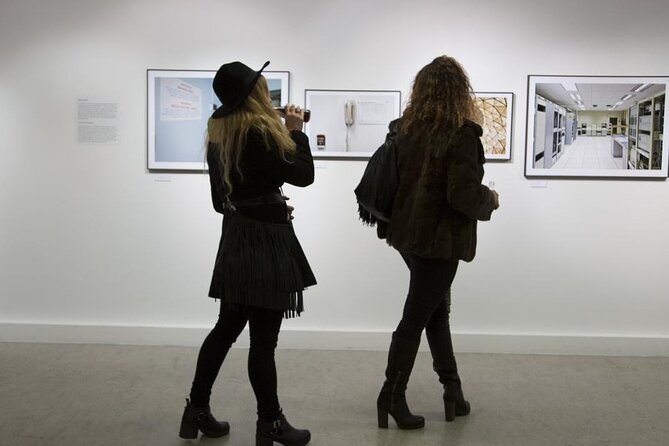
The Reykjavík Museum of Photography adds another angle, with Icelandic and foreign photography shown in artistic, social, and cultural settings. Forty minutes is a reasonable visit. It works particularly well on a rainy afternoon, when you want a focused indoor stop without committing to a large museum.
Use the card for Icelandic maritime and rural life
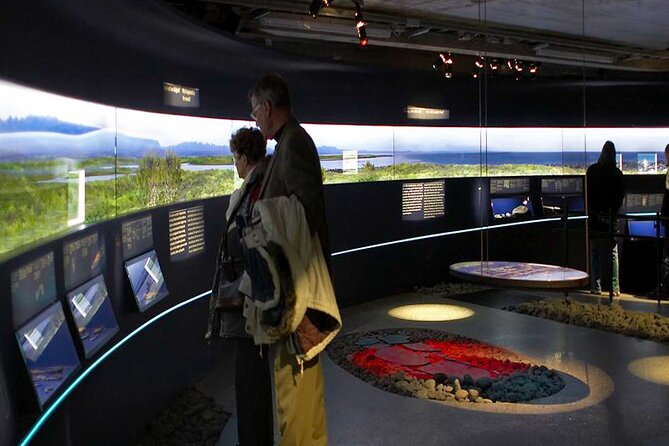
The Reykjavík Maritime Museum is one of the card’s more grounded choices. Fish & Folk follows 150 years of fisheries, from rowing boats to large fishing vessels and the modern industry. The museum occupies a former fish factory, so the setting fits the subject.
Give it an hour. This museum explains why the sea shaped Icelandic work, settlement, and city life. It also gives context to Reykjavík’s harbor, which can otherwise look like a pleasant waterfront without much connection to the country’s past.
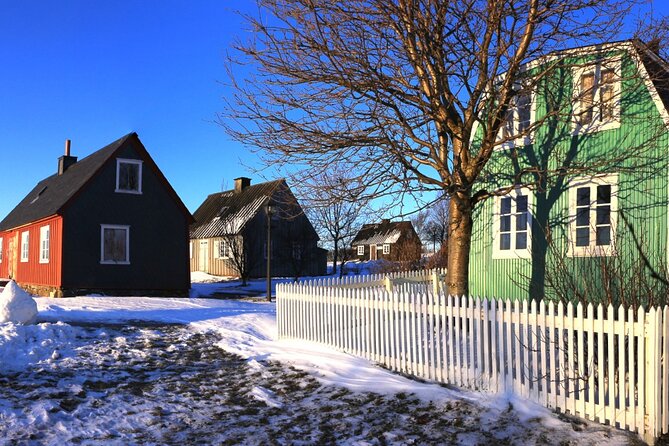
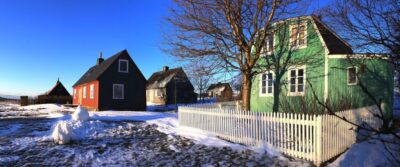
Árbær Open Air Museum takes about two hours and needs more planning because it lies outside central Reykjavík. It occupies a former farm and contains more than 20 relocated buildings arranged as a town square, village, and farm. You get a much clearer picture of older Icelandic domestic and working life than you can from objects behind glass.
The museum is easy to reach by bus, according to the practical information supplied with the card, but allow time for the ride in both directions. It is one of the best places to use the pass if you want to see how Reykjavík grew beyond its central streets.
Same island, a completely different kind of day:
- Reykjavik: Golden Circle Full-Day Tour with Kerid Crater
★ 4.8 · 24,485 reviews - Reykjavik Food Walk – Local Foodie Adventure in Iceland
★ 5.0 · 18,952 reviews - Iceland: Northern Lights Bus Tour from Reykjavik
★ 4.1 · 11,161 reviews - Reykjavík: South Coast Waterfalls, Black Sand & Glacier Tour
★ 4.8 · 11,030 reviews
Make time for Viðey Island
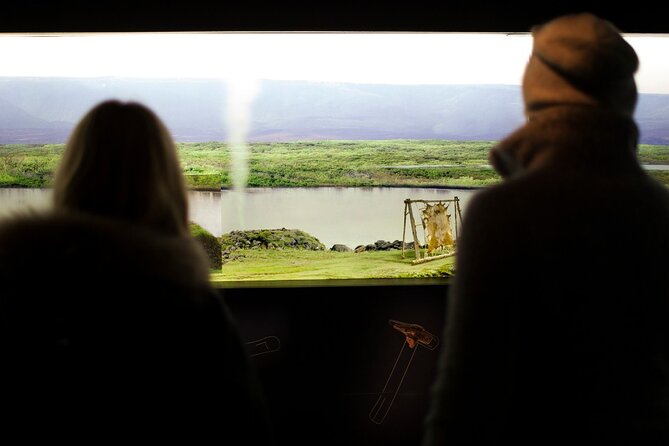
The ferry to Viðey is included, making the island one of the card’s most appealing extras. Viðey offers open nature, abundant birdlife, Icelandic history, and modern art. It is a change of pace from museums and city streets.
Set aside about two hours, plus the ferry schedule. Wind can cancel service, so do not make Viðey the only reason you buy the card. Check departure information before committing your afternoon, and keep a museum or thermal pool as a backup.
The island works best when you want a quiet outing rather than a packed sightseeing list. You can walk, look for birds, and see how modern artworks occupy the open space. The ferry itself adds a pleasant sense of departure without requiring a full-day excursion.
Why the swimming pools may be the best value
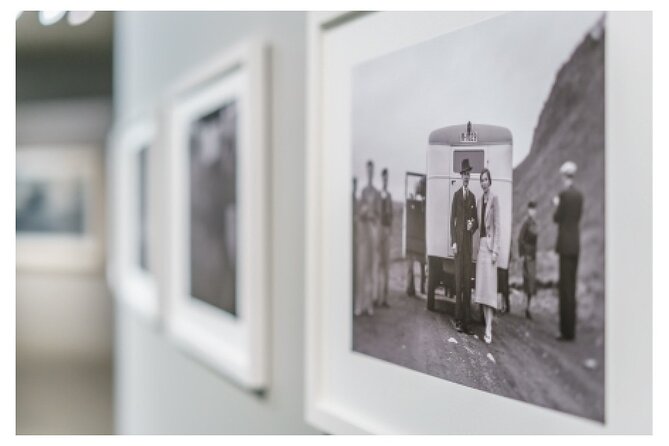
The City Card includes several Reykjavík thermal pools, and this is where the pass feels most connected to everyday Iceland. These are public swimming facilities, not luxury lagoon resorts. You will find heated pools, hot tubs, steam baths, saunas, and jacuzzis, depending on the location.
Sundhöllin Public Baths are the most central option in the group. Laugardalslaug is a larger facility with a broad range of services. Vesturbæjarlaug is another city option, while Árbæjarlaug serves the Árbær area.
The suburban choices widen your options. Breiðholtslaug has indoor and outdoor pools, slides, a sauna, and hot tubs. Grafarvogslaug includes indoor and outdoor pools, a children’s pool, two slides, three hot tubs, and a steam bath. Dalslaug opened in December 2021 and is another newer choice.
Klébergslaug is smaller and more rural, near Mount Esja in Kjalarnes. It has an outdoor pool, a children’s slide, a steam bath, a gym, and two hot tubs. The card information lists it as free admission, as it does for several other pools, while the main City Card benefits include admission to several thermal facilities.
A two-hour pool visit can make the card worthwhile by itself when combined with buses and museums. I would not treat these pools as interchangeable with high-end paid lagoons. Their appeal is different: you are using facilities that Reykjavík residents use for exercise, relaxation, and conversation.
Remember that swimming pools have local routines. Follow posted instructions and shower before entering the water. The city places strong attention on safety, and staff receive regular safety training.
Add Kópavogur for art and natural science
Gerðarsafn Kópavogur Art Museum is outside central Reykjavík and focuses on modern and contemporary art. It presents Icelandic and international artists along with works from its own collection. The museum is built in honor of a female artist, giving it a distinct place in Iceland’s museum scene.
Allow about an hour. It is a good choice if you want a smaller, focused museum rather than another large national collection. Pair it with the Natural History Museum of Kópavogur if schedules and bus routes work.
The Natural History Museum divides its displays into geology and zoology. The geology section explains Iceland’s formation and shows major rock and mineral types. The zoology section covers Icelandic birds, mammals, fish, and invertebrates, with a few exceptions.
Plan about an hour. Staff can provide guidance if requested, and the service is free. Groups should reserve guidance in advance, especially if language or age-specific help matters.
A useful family choice: Reykjavík Family Park and Zoo
The Reykjavík Family Park and Zoo is not limited to farm animals. It includes Icelandic farm species, mammals from the country’s wild population, and a small display of reptiles, amphibians, and insects.
Allow around two hours. It is a sensible use of the card for families, especially when children need space after several indoor museums. Playgrounds operate in summer and on winter weekends when weather permits, while castles, zip-lines, and other equipment remain open.
Adults traveling without children may prefer the Maritime Museum, Árbær, or a thermal pool. For families, though, the zoo can balance a museum-heavy weekend.
Getting around by bus
Free public bus use is one of the card’s most practical benefits. Reykjavík’s museums and pools are not all close together, and a bus pass gives you freedom to change plans without adding another fare each time.
Use the Straeto website to enter your starting point and destination. It provides route choices and a map, while many stops show arrival times on electronic signs. Live bus tracking is also available through the site.
The system still takes a little preparation. Routes can wander, and your hotel may not connect directly to every museum. Check the return route before leaving a distant site, particularly Árbær, Kópavogur, or the outer swimming pools.
The bus benefit is especially useful if you are not renting a car. It also makes the card easier to justify for families and older relatives, since you can simply show the card instead of managing a phone ticket for every ride. Children under 18 may already receive free or discounted museum admission and reduced bus fares, so calculate their cards separately.
Build a realistic two-day plan
Do not try to visit every included location. The card lists enough museums and pools to fill several days, but a 48-hour pass is best used with a simple plan.
For the first day, redeem the card early if possible, then visit the National Museum and the Settlement Exhibition. Add the National Gallery or Hafnarhús, and finish at Sundhöllin or another convenient thermal pool.
On the second day, take the bus to Árbær Open Air Museum, then return toward the center for the Maritime Museum or Museum of Photography. If the ferry is running and the weather is suitable, replace one museum block with Viðey.
This plan is only a starting point. Art lovers can spend the day at the National Gallery, Hafnarhús, Kjarvalsstaðir, and Ásmundarsafn. Families may prefer the zoo, a pool, and Árbær. If the weather turns rough, keep your day indoors and save Viðey for a calmer window.
Opening times are the card’s quiet limitation. Several museums start later or close earlier than you might expect, so check each venue before you set your activation time. A pass that runs for 48 hours is valuable only while the doors are open.
Who should buy it?
I recommend the Reykjavík City Card if you plan to visit at least three included museums, use buses several times, and swim in a public pool. It is also a good match for a visitor who likes to change plans without counting every admission fee.
I would skip it if your must-see list centers on attractions outside the included network, or if you have less than a full day for museums. The card gives only discounts at some privately operated attractions, and those reductions may be smaller than online prices available directly from the venue.
The card is not a sightseeing bus pass, and it does not guarantee access to every major Reykjavík attraction. Check the current included-museum list before purchase, especially if you have a short, fixed itinerary.
For many people, the best reason to buy is not one spectacular museum. It is the combination of small savings: a bus ride here, a gallery there, a pool after a cold day, and a ferry if the wind allows it. That flexibility can make a two-day Reykjavík visit feel less rushed.
FAQ
What does the 48-hour Reykjavík City Card include?
It includes admission to several public museums, use of Reykjavík public buses, a ferry ride to Viðey Island, admission to several thermal pools, and admission to the Reykjavík Family Park and Zoo. It also provides selected discounts for restaurants, entertainment, and other attractions.
How much does the 48-hour card cost?
The listed price is $58.63 per person.
Do I receive a physical card immediately?
You receive a digital voucher first, but you must exchange it for the physical City Card at a designated pickup location.
Is public transportation included?
Yes. The card includes public bus transport in the Reykjavík region.
Is the ferry to Viðey included?
Yes. One ferry ride to Viðey Island is included. Ferry service can be affected by windy conditions, so check the schedule and weather before planning around it.
Can I cancel for a full refund?
You can cancel at least 24 hours before the experience start time for a full refund. Cancellations or changes made less than 24 hours beforehand are not accepted for a refund.
Should you book the Reykjavík City Card?
Book it if you want museums, public pools, buses, and Viðey in the same 48-hour plan. The strongest combination is the National Museum, Settlement Exhibition, one or two art museums, a thermal pool, and several bus rides.
Skip it if you will only visit one or two sites, prefer private attractions, or have too little time to use the pass fully. Before paying, make a short list of your actual targets and add their individual prices. If that list includes a pool and a few museums, the City Card is likely good value.
Just added around Reykjavik
- Reykjavik: Whale and Puffin Watching RIB Boat Tour★ 4.6 · 179 reviews
- Reykjavik: Whale Watching Express★ 4.3 · 227 reviews
- Reykjavik: Whale Watching & Lava Show★ 5.0 · 4 reviews
- Reykjavik: Whale & Marine Adventure Tour★ 4.3 · 71 reviews
- From Reykjavík: Viking Horseback Tour in Hafnarfjörður★ 4.9 · 112 reviews
- Reykjavík: Horse Riding Tours★ 4.9 · 127 reviews
- Luxury Private Transfer from Reykjavik to Keflavik Airport★ 5.0 · 9 reviews
- Winter South Coast Day Tour by Minibus from Reykjavik★ 5.0 · 109 reviews
City Tours, compared.
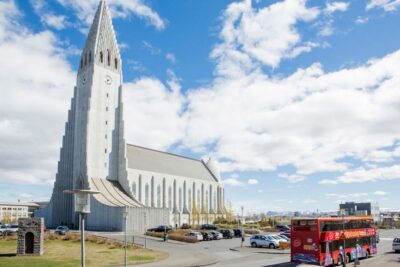
City Sightseeing Reykjavik Hop-On Hop-Off Bus Tour: 24 or 48-Hour
Read our review →
Airport Transfer in Iceland from Keflavik Airport to Reykjavik City With Hotel Drop Off
Read our review →
City Walking tour in Small Group with Local Guide
Read our review →
Airport Transfer in Iceland from Reykjavik City to Keflavik Airport with Hotel Pick Up
Read our review →
Airport Express Shared Departure transfer from Reykjavik City to Keflavik Airport
Read our review →Browse the lists this tour appears in