

Reviewed · MUSEUMS
Reykjavík: National Museum of Iceland Entry Ticket
Iceland’s story is told here through objects rather than saga alone. You move from the ship that carried medieval settlers across the North Atlantic to a modern airport, with about 2,000 artifacts filling in the centuries between. The year 1000 figure of Thor is the headline piece, but the medieval church art and Iceland’s first printed Bible add real weight to the visit.
I like the exhibition’s broad sweep, which lets you see how an isolated island became a modern nation. I also like the practical value: temporary exhibitions, Wi-Fi, and an audio guide in 10 languages are included in the $20 ticket. The main drawback is that some displays can feel lightly labeled or spread out, so you may need to work a little to follow the intended timeline.
- A 1,000-year-old Thor figure: See a famous object dated to around the year 1000.
- A full national timeline: Follow Iceland from the Settlement Age to the present day.
- About 2,000 objects: Expect archaeological finds, church art, books, and 20th-century photographs.
- A ship-to-airport exhibition: The permanent display opens with settlement by sea and ends with modern international travel.
- Ten audio-guide languages: Choose English, Danish, French, Polish, Spanish, Dutch, Swedish, Icelandic, Italian, or Chinese.
- A flexible 365-day ticket: The ticket remains valid for a year, subject to the available starting times shown when booking.
A Ship at the Beginning of Iceland’s Story
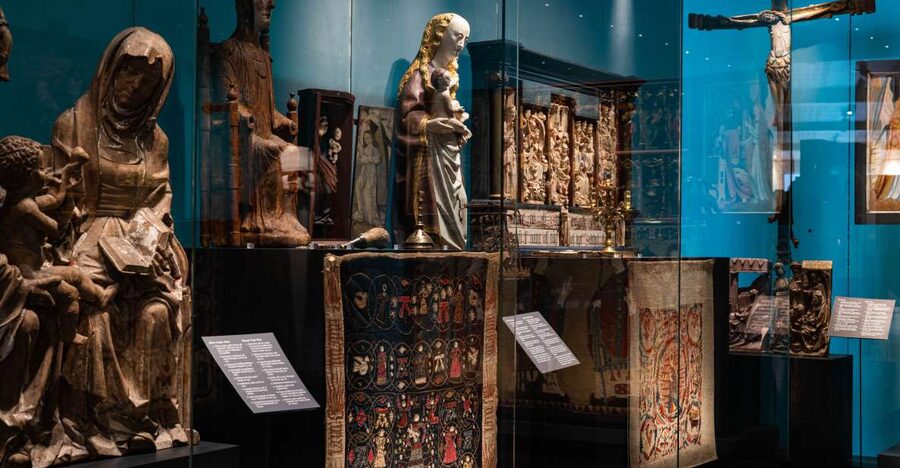
The permanent exhibition begins with the ship that brought medieval settlers across the ocean. That opening is more than a dramatic prop. It gives you a clear starting point for understanding Iceland as a place shaped by distance, weather, seafaring, and the choices of people who made a new home far from mainland Europe.
From there, the display follows the country through time. The central question is what makes a nation, and the objects provide several answers: shared belief, language, work, trade, law, family life, and contact with the outside world.
I like this structure because it avoids treating Iceland’s past as a single Viking chapter. The Settlement Age is important, but it is only the first part of the story. You also see evidence of medieval religion, printed culture, changing daily life, and modern Icelandic identity.
The route ends at a modern airport, described as Icelanders’ gateway to the world. That final point brings the exhibition back to the island’s geography. Iceland may have begun as a distant settlement reached by ship, but modern life depends on air travel and links with the wider world.
The Thor Figure and Iceland’s Early Beliefs
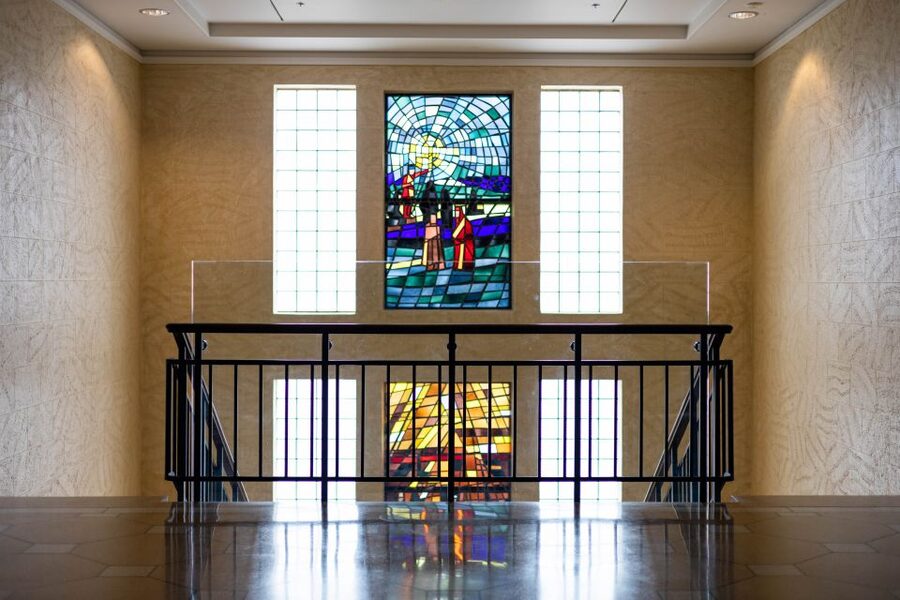
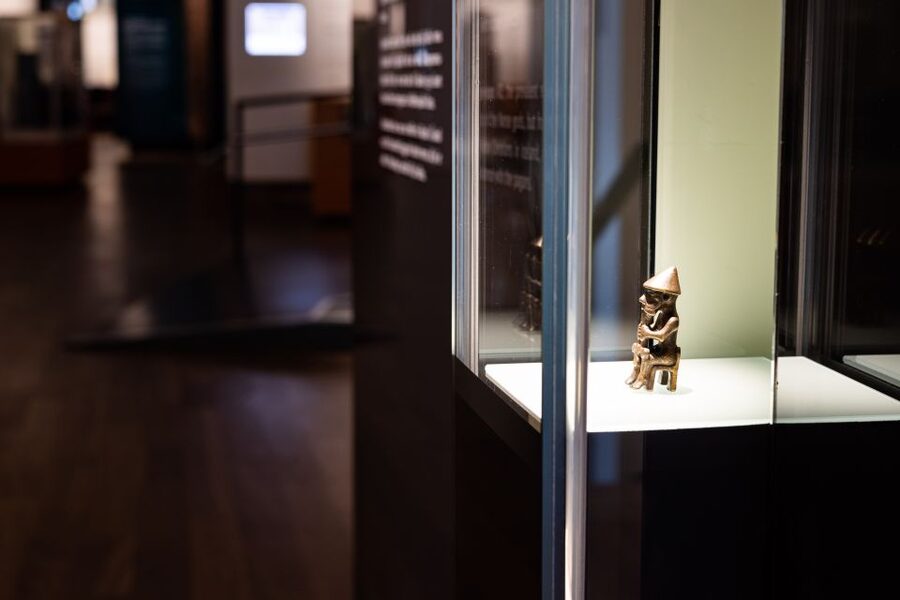
The most famous individual object here is a figure of Thor dated from around the year 1000. It is a small but powerful reminder of the moment when Icelandic society was moving from older Norse beliefs toward Christianity.
You do not need to be a Viking specialist to appreciate it. The figure connects myth, religion, craftsmanship, and a major change in Icelandic life. Its date also makes it especially useful for understanding the period around the Christian conversion.
I would give this display more than a quick glance. Look at the form of the figure and consider what it reveals about the beliefs that existed before Christian practices became central. The museum uses this object to make a large historical shift feel personal and visible.
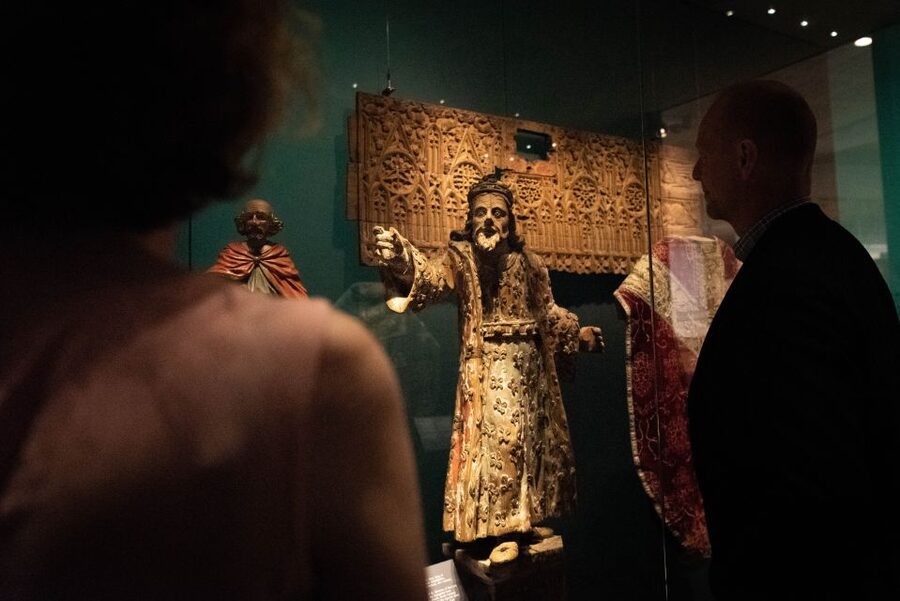
The museum’s collection also includes beautiful artifacts from medieval churches. These pieces broaden the picture beyond warriors and seafarers. They show how religion shaped art, community life, and the spaces where people gathered.
Some visitors find that individual objects do not always have as much written detail as they would like. If you want every piece explained at length, use the audio guide and take time with the sections that interest you most.
A few more Reykjavik trips to weigh up
- Reykjavik: Perlan Museum Wonders of Iceland Entrance Ticket
★ 4.7 · 2,575 reviews - Reykjavík: Hop-On Hop-Off Bus and Perlan Museum Entry Ticket
★ 4.3 · 719 reviews - Reykjavik: Whales of Iceland Museum Entrance Ticket
★ 4.4 · 493 reviews
From Settlement Age Tools to Medieval Church Art
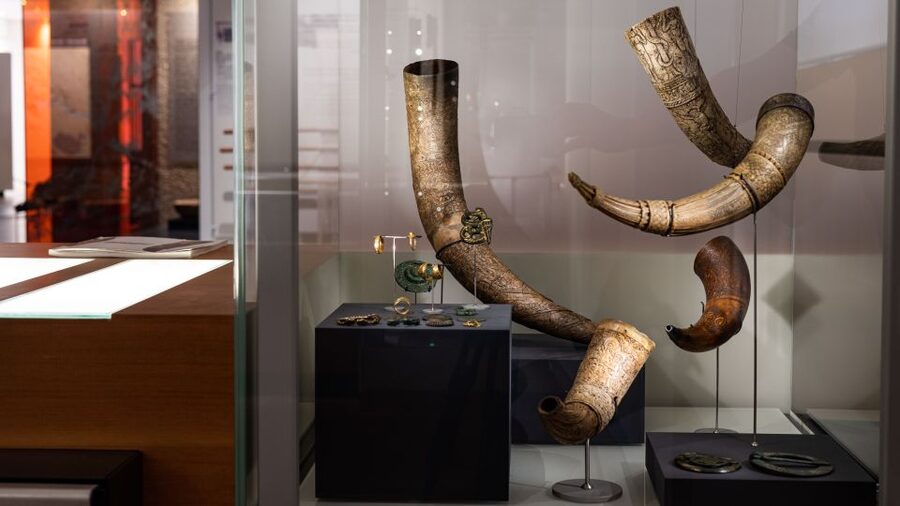
The early part of the museum gives you a chance to see how archaeology can describe life in a new country. The objects date from the Settlement Age onward, so you are not looking at one isolated hoard or a narrow Viking display.
Instead, you get a sequence of artifacts that helps connect the first settlers with later generations. The value is in the range. A single item can be striking, but a large collection shows change over time.
The medieval church pieces are especially useful because they correct the usual image of Iceland as only a land of sagas and Norse gods. Christian art, church objects, and written material reveal another side of the country’s development.
One item to watch for is the first Bible printed in Iceland in the 16th century. It is still regarded as one of the most beautiful printed works in Iceland. That makes it important for more than religious reasons. It points to the growth of printing, literacy, language, and local cultural identity.
I would pair the Bible display with the medieval church artifacts rather than treating each as a separate stop. Together, they show how ideas were preserved and shared in a society that lived far from Europe’s major centers.
Photographs Bring the Modern Story Closer
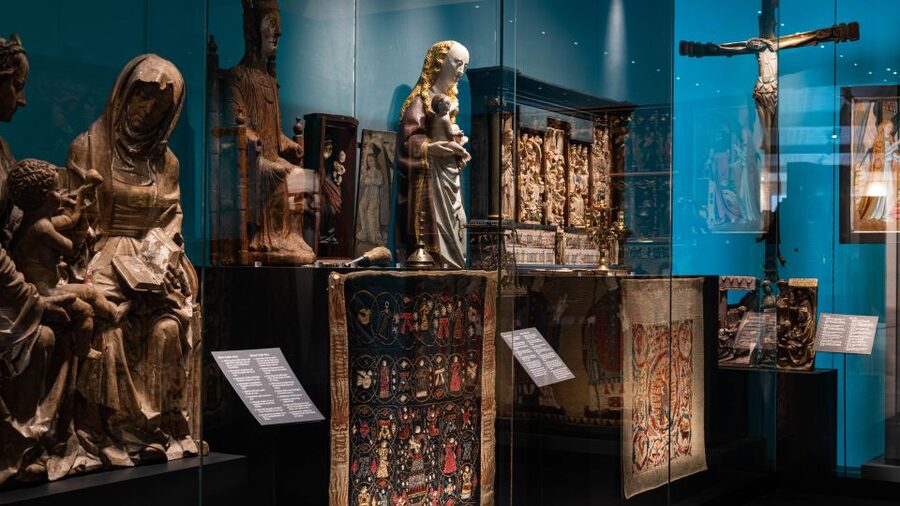
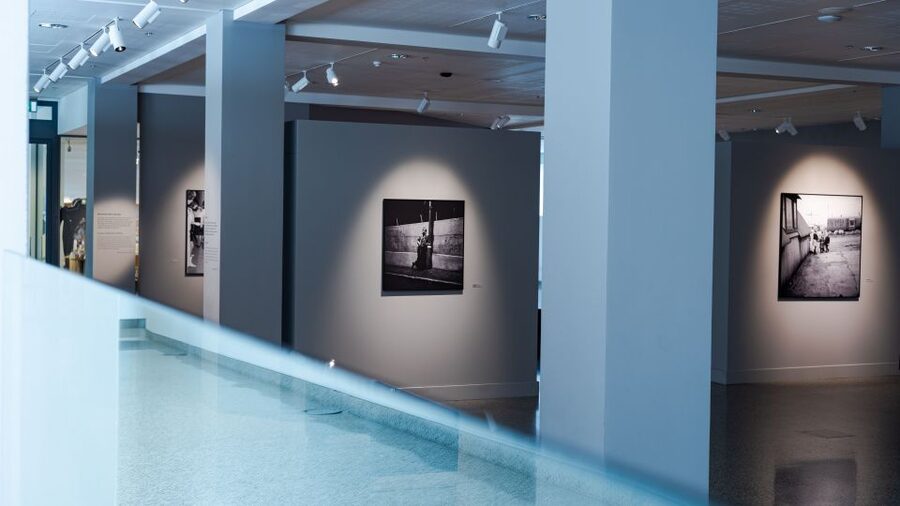
The collection does not stop with archaeology. It includes photographs from the 20th century, giving the later part of the exhibition a more familiar human scale.
This change in material matters. Old objects can tell you how people worked, worshiped, or traveled, but photographs can show faces, clothing, homes, and public life more directly. They help connect the distant past with the Iceland you see outside the museum.
The modern sections also make the title question, what makes a nation, easier to consider. Icelandic identity is not presented only through old legends. It is also seen in ordinary life, changing technology, public institutions, and links with other countries.
The exhibition’s final airport setting reinforces that idea. The airport is not simply a transport detail. It represents movement, departure, arrival, and Iceland’s modern connection with the world.
You can spend as little or as much time as your schedule allows. A visit of about an hour and a half is enough for a useful overview, but the ticket is valid for 365 days. That unusual validity gives you flexibility if you want to return during a longer stay or revisit after seeing another museum.
How the Audio Guide Changes the Visit
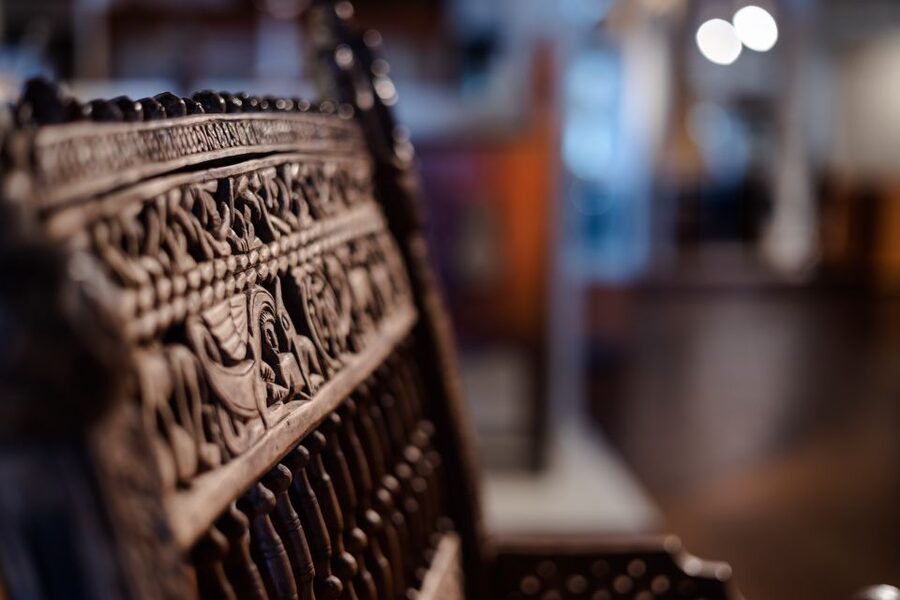
An audio guide is included in English, Danish, French, Polish, Spanish, Dutch, Swedish, Icelandic, Italian, and Chinese. That is helpful if you want a guided thread through the collection without arranging a private guide.
I would use it selectively rather than listening to every available explanation. Start with the main route, then use the guide for Thor, the printed Bible, the medieval church artifacts, and any temporary display that catches your attention.
The audio format also helps with the exhibition’s weaker point. Some displays can seem spread out or not clearly numbered in sequence. Listening to the guide may make the intended order easier to follow, though you should still allow yourself to move at your own pace.
One visitor especially enjoyed speaking directly with a museum staff member about selected objects, finding that conversation more engaging than an audio guide. That experience may not be available every time you visit, so the included guide remains the dependable option.
Wi-Fi is included as well. That is a small benefit, but useful if you want to check a fact, manage your booking, or share a photograph without relying on mobile data.
Same island, a completely different kind of day:
- Reykjavik: Golden Circle Full-Day Tour with Kerid Crater
★ 4.8 · 24,485 reviews - Reykjavik Food Walk – Local Foodie Adventure in Iceland
★ 5.0 · 18,952 reviews - Iceland: Northern Lights Bus Tour from Reykjavik
★ 4.1 · 11,161 reviews - Reykjavík: South Coast Waterfalls, Black Sand & Glacier Tour
★ 4.8 · 11,030 reviews
Temporary Exhibitions Add Reason to Return
Your ticket includes all exhibitions at the museum, including temporary shows. These change over time, and most focus on Icelandic culture.
That makes the 365-day validity more useful than it first appears. If you are staying in Reykjavík for several days, you can make one visit for the main exhibition and return later if a temporary display deserves more time.
The permanent exhibition provides the historical spine. Temporary shows can then give you a closer look at a particular subject or period. Since their themes change, check what is showing when you plan your visit rather than assuming every booking offers exactly the same experience.
I would not book this ticket only for a temporary exhibition unless you have confirmed its content. The permanent collection is the reliable reason to go. The temporary displays are an added benefit that may make a second visit worthwhile.
How Much Time Should You Allow?
The museum does not set a fixed visit length. One and a half hours is a sensible target if you want to see the main route without rushing.
Allow more time if you read every label, use the full audio guide, or take a serious interest in the medieval material. The collection covers many centuries, so a quick walk gives you an outline while a slower visit reveals more links between the objects.
You can also make the museum work around the rest of your Reykjavík plans. It is not a full-day commitment, and the broad timeline means you can still gain something from a shorter visit.
The exhibition is generally better suited to adults, history fans, and older children than to very young children. Families can certainly find attractive objects and interactive elements, but the amount of historical information may be hard for small children to follow.
Is the $20 Ticket Good Value?
At $20 per person, this is not Iceland’s cheapest indoor stop. I think the value is solid if you want context for the country you are seeing beyond Reykjavík’s streets, waterfalls, and volcanic scenery.
You are paying for a large collection, a permanent exhibition covering the Settlement Age to modern times, temporary exhibitions, Wi-Fi, and a multilingual audio guide. The ticket’s year-long validity also gives it more flexibility than a standard single-day admission.
The value is weaker if you only want a short Viking display. The Thor figure is excellent, but it is one part of a much wider national story. You should come expecting church art, books, photographs, and modern culture as well as early Norse material.
A useful way to judge the price is to ask what kind of trip you are planning. If you want to understand Iceland’s people and institutions, the museum earns its place. If your schedule is packed and you are interested only in natural sights, you may prefer to spend the $20 elsewhere.
Pairing the Museum With Other Reykjavík History Stops
The museum works well as the historical foundation for a wider day of indoor sights. One good pairing is the Settlement Exhibition if you want to focus more closely on the earliest period and Viking-era archaeology.
Choose the Settlement Exhibition when your main interest is how the first settlers lived and established themselves. The National Museum then gives you the wider frame, showing what happened after that beginning.
The Reykjavík Maritime Museum is a better match if you want more modern history. It can add context about Iceland’s maritime life and the Cod Wars, subjects that connect strongly with the country’s economy, independence, and relationship with other nations.
The choice depends on your priorities:
- For Viking-era interest: Add the Settlement Exhibition.
- For modern maritime history: Add the Maritime Museum.
- For a broad overview: Start with the National Museum.
- For a rainy day: Use the museum as a meaningful indoor activity rather than a filler stop.
No transportation is included with this ticket. You need to make your own way to the National Museum of Iceland and show your ticket at the reception desk.
Practical Notes Before You Go
The ticket lets you skip the ticket line, but you still need to present it at reception. Check the available starting times when booking, even though the ticket itself remains valid for 365 days.
Large bags and luggage are not allowed. If you are visiting Reykjavík between accommodation check-out and a flight, do not assume you can bring a suitcase inside. Plan luggage storage separately.
The museum is wheelchair accessible. That makes it a practical choice for many visitors who want a historical stop without the physical demands of an outdoor excursion.
Free cancellation is available up to 24 hours in advance for a full refund. You can also reserve now and pay later, which helps if your Reykjavík plans may change.
The overall rating is 4.4 from 432 reviews, with especially strong praise for the collection, the clear sweep of Icelandic history, the quality of the objects, and the useful indoor setting on a wet day. The main criticism is limited detail or unclear numbering for some pieces, so bring patience and use the audio guide.
Who Will Get the Most From This Museum?
I recommend this experience most strongly to you if you enjoy history, archaeology, religion, books, or the story of how a small nation developed. It is also a good choice if you want a calm indoor activity that gives meaning to the places you see elsewhere in Iceland.
Families with older children can find plenty to discuss, especially the Thor figure, the ship, and the interactive elements. For small children, the dense historical material may be a stretch.
The museum is less ideal if you want a tightly guided tour with a named expert leading the group. This is a ticketed museum visit with an included audio guide, not a personal walking tour. You have freedom, but you also have to set your own pace.
Should You Book the National Museum of Iceland?
Book it if you want the story behind Iceland, not just a collection of attractive old objects. The Thor figure, first Icelandic Bible, medieval church art, photographs, and settlement-era material create a useful chain from the island’s earliest settlers to modern international life.
I would especially choose it early in a Reykjavík visit. The broad timeline can help you understand later stops, including the Settlement Exhibition and Maritime Museum.
Skip it only if your schedule is extremely tight or your interest is limited to Viking artifacts. At $20, the ticket offers good value for a history-minded visit, but it asks you to appreciate the full national story rather than one famous object. Use the audio guide, plan for about 90 minutes, and remember that the 365-day validity gives you room to return.
FAQ
How much does entry to the National Museum of Iceland cost?
The listed price is $20 per person.
How long is the ticket valid?
The ticket is valid for 365 days. Check availability for the starting times shown when booking.
How long should I spend inside?
The museum does not set a fixed visit duration. About an hour and a half is enough for a useful overview, while a slower visit gives you more time with the audio guide and individual displays.
Is an audio guide included?
Yes. The audio guide is included in English, Danish, French, Polish, Spanish, Dutch, Swedish, Icelandic, Italian, and Chinese.
What can I see in the permanent exhibition?
The permanent exhibition covers Icelandic history from the Settlement Age to the present. It includes about 2,000 artifacts, 20th-century photographs, a figure of Thor dated from around the year 1000, Iceland’s first printed Bible, and medieval church artifacts.
Are temporary exhibitions included?
Yes. The ticket grants access to all museum exhibitions, including temporary exhibitions. Temporary displays change over time and usually reflect Icelandic culture.
Where do I show my ticket?
Show your ticket at the reception desk at the National Museum of Iceland.
Can I bring luggage or a large bag?
No. Luggage and large bags are not allowed inside.
Is the museum wheelchair accessible?
Yes. The museum is wheelchair accessible.
Just added around Reykjavik
- Reykjavik: Whale and Puffin Watching RIB Boat Tour★ 4.6 · 179 reviews
- Reykjavik: Whale Watching & Lava Show★ 5.0 · 4 reviews
- Reykjavik: Whale Watching Express★ 4.3 · 227 reviews
- Reykjavik: Whale & Marine Adventure Tour★ 4.3 · 71 reviews
- From Reykjavík: Viking Horseback Tour in Hafnarfjörður★ 4.9 · 112 reviews
- Reykjavík: Horse Riding Tours★ 4.9 · 127 reviews
- Luxury Private Transfer from Reykjavik to Keflavik Airport★ 5.0 · 9 reviews
- Winter South Coast Day Tour by Minibus from Reykjavik★ 5.0 · 109 reviews
Museums, compared.

Perlan Museum Wonders of Iceland Entrance Ticket
Read our review →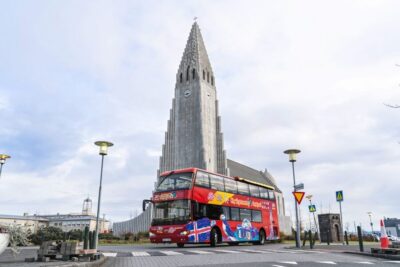
Hop-On Hop-Off Bus and Perlan Museum Entry Ticket
Read our review →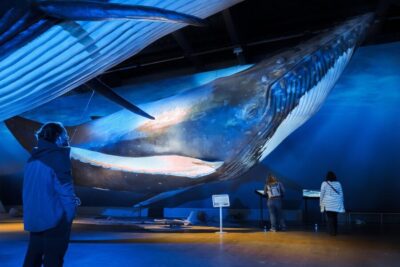

Aurora Reykjavík, The Northern Lights Center Museum Visit
Read our review →
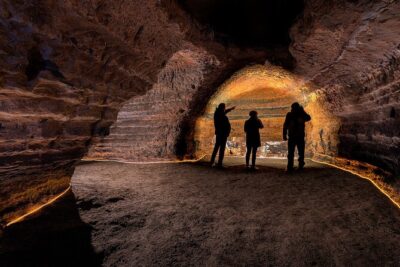
Ancient Historical Site Tour at the Caves of Hella
Read our review →
Whale Watching Tour, Whales of Iceland Exhibition
Read our review →Browse the lists this tour appears in