
Reviewed · CITY TOURS
Reykjavík City Card
Reykjavík’s best bargain may be a small plastic card that turns a cold, expensive city into an easy day of museums, swimming pools, and bus rides. The card covers eight city geothermal pools, a good spread of museums, and unlimited city buses for one to three days.
I like two things in particular: you can use the bus to reach sights beyond the compact center, and the card nudges you into places you might otherwise skip, such as the Árbær Open Air Museum or the Museum of Photography. The main catch is timing. The clock starts when you physically collect the card, not when you buy the voucher, and some pickup points open late.
Key points to know before you buy

- Collect the physical card first: A digital voucher is not enough. Exchange it at a participating museum or pickup point before using it.
- Choose 24, 48, or 72 hours: The pass works by the hour from activation, so plan the first visit carefully.
- Use the local pools: The included Reykjavík pools offer a more local bathing experience than private spa complexes.
- Ride buses all over the city area: Unlimited bus use can save money and effort, especially in bad weather or when staying outside the center.
- Visit Viðey Island for free: The ferry is included, though weather can close the service.
- Expect extra charges for children: Museum entry is free under 18, but children aged 6 and older pay on city buses, at pools, and at the zoo and family park.
What the Reykjavík City Card really covers
The card is a sightseeing pass rather than a guided tour. Nobody leads you from place to place, and there is no fixed route. You choose the museums, swimming pools, ferry, and bus journeys that fit your day.
At the listed museums and galleries, show the card at the counter. Included sites cover a useful mix of Icelandic art, archaeology, local history, photography, maritime life, and outdoor heritage. That range matters because Reykjavík is not a city where one giant museum tells the whole story.
You can also use the card at Reykjavík’s public swimming pools. These are not simply places to swim laps. They are geothermal social spaces, useful for a warm soak after walking in cold weather and a good way to see an ordinary part of Icelandic life.
The pass also includes Reykjavík City Buses within the capital city area. That is a practical benefit, not just a bonus. The center is walkable, but several included sights are spread out, and wind or rain can make a short bus ride feel very worthwhile.
A few more Reykjavik trips to weigh up
- Reykjavik: City Sightseeing Hop-On Hop-Off Bus Tour
★ 3.9 · 1,283 reviews - City Sightseeing Reykjavik Hop-On Hop-Off Bus Tour: 24 or 48-Hour
★ 3.0 · 839 reviews - Airport Transfer in Iceland from Keflavik Airport to Reykjavik City With Hotel Drop Off
★ 4.0 · 464 reviews
Start at the National Museum of Iceland
The National Museum is one of the strongest choices if you have only a day. It gives you a broad introduction to Iceland, from early settlement through later periods, with objects that help put the rest of your visit in context.
I would make this one of your first stops if you want a clear sense of the country before visiting smaller museums. The card removes the need to debate the admission price, so you can spend as long as you like without feeling that you must stay for hours to justify a ticket.
The museum is especially useful for first-time visitors who want more than scenery. Iceland’s natural wonders get most of the attention, but the National Museum helps explain how people lived on this isolated island and how Reykjavík developed.
See the Settlement Exhibition beneath the city
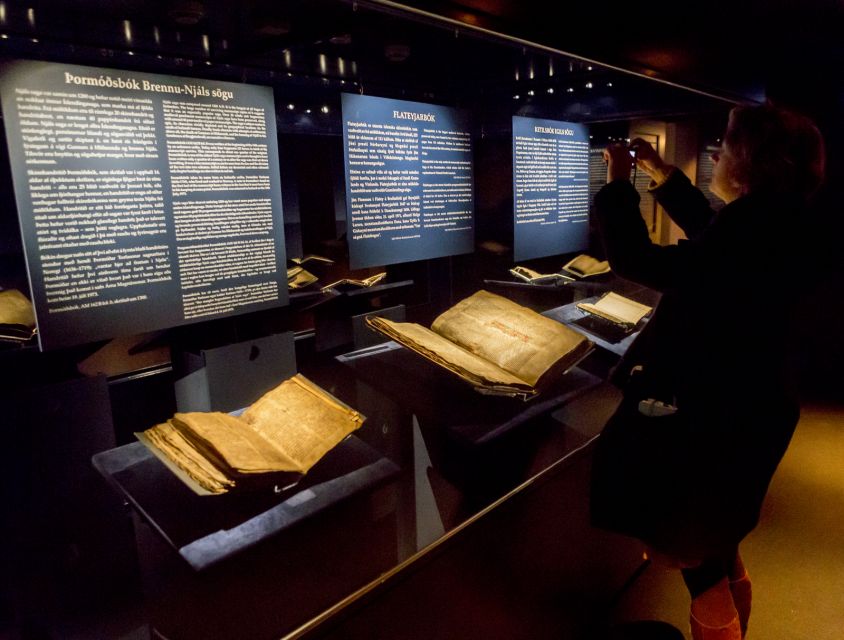
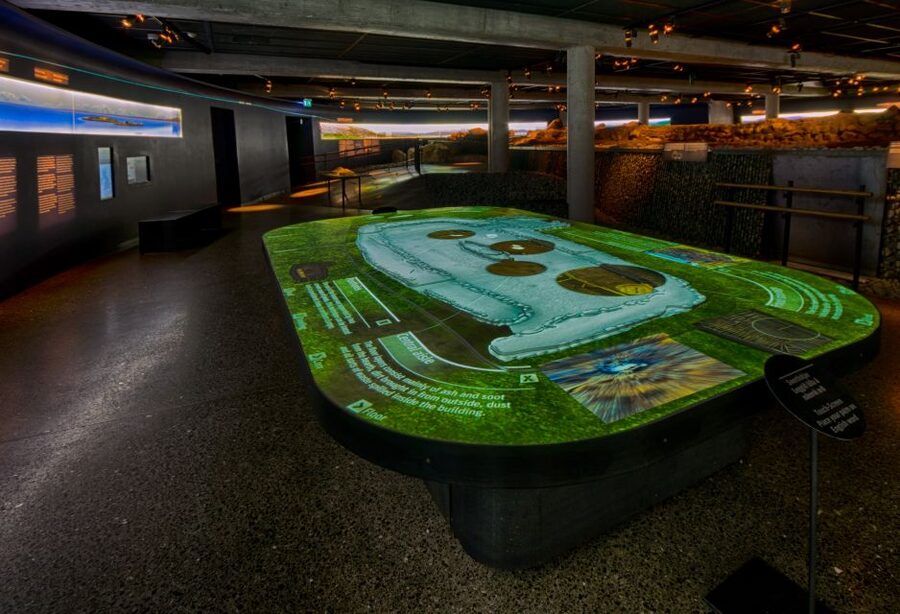
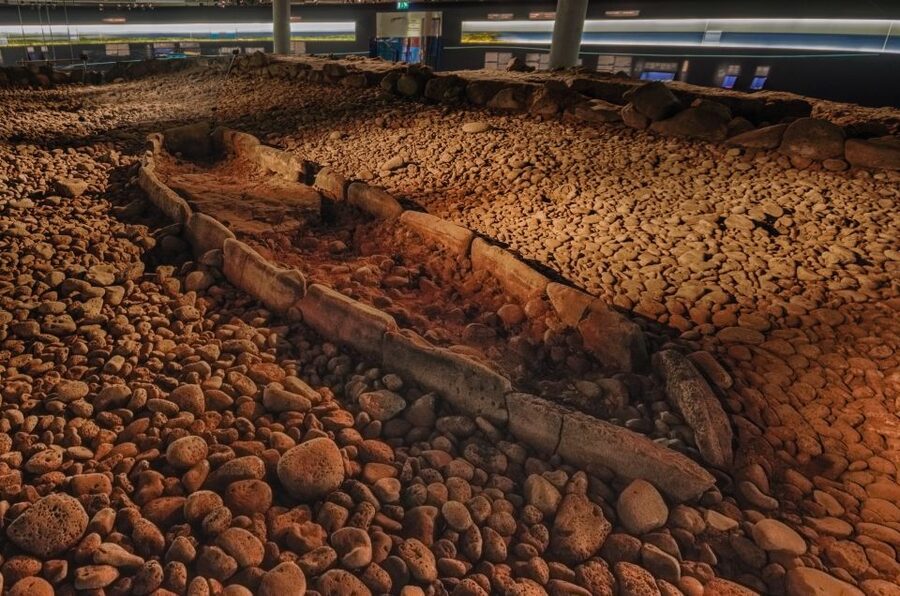
The Settlement Exhibition offers a very different experience. It presents archaeological remains connected with Reykjavík’s earliest settlement, including the remains beneath Aðalstræti.
This is a compact stop, which makes it easy to pair with another central museum. I like it for the sense of looking below the modern city and finding evidence of an older Reykjavík underneath. It is also a good choice when your schedule is tight.
Do not expect a huge building full of galleries. The attraction works because of its focused subject and location. The City Card is useful here since you can include a short visit between other stops without paying another full admission.
Choose the Maritime Museum for Reykjavík’s working side
The Maritime Museum shows why the sea has shaped Icelandic life. Its subject is local and practical, with Reykjavík’s fishing past at the center.
This is one of the better picks if you want a break from art galleries and archaeological displays. It adds working history to the picture, showing the importance of boats, fishing, and the harbor economy.
The museum is not in the densest part of the old center, so this is a good place to use the bus. You can also combine it with other nearby plans, but check the current opening hours before setting out. Most listed museums use daytime hours, often closing around 5 p.m., and that limits how much you can fit into a short pass.
Same island, a completely different kind of day:
- Reykjavik: Golden Circle Full-Day Tour with Kerid Crater
★ 4.8 · 24,485 reviews - Reykjavik Food Walk – Local Foodie Adventure in Iceland
★ 5.0 · 18,952 reviews - Iceland: Northern Lights Bus Tour from Reykjavik
★ 4.1 · 11,161 reviews - Reykjavík: South Coast Waterfalls, Black Sand & Glacier Tour
★ 4.8 · 11,030 reviews
Walk through Árbær Open Air Museum

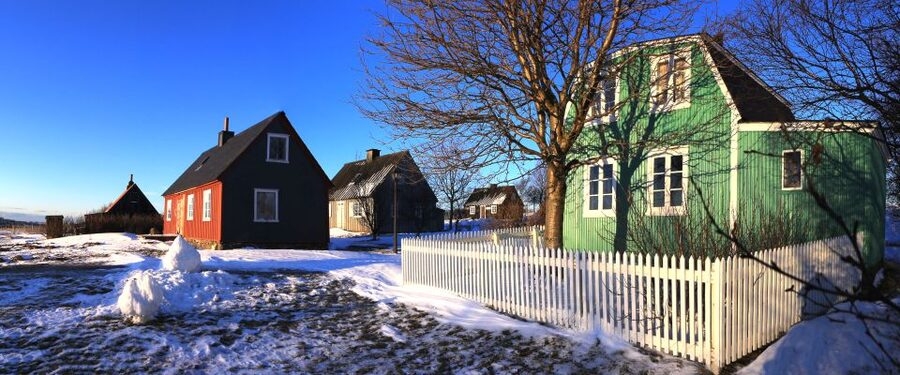
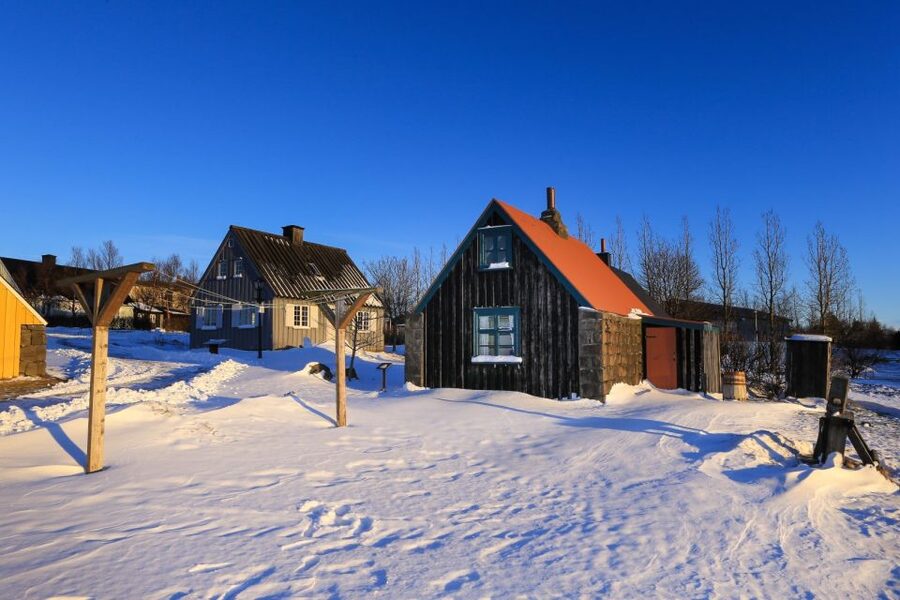
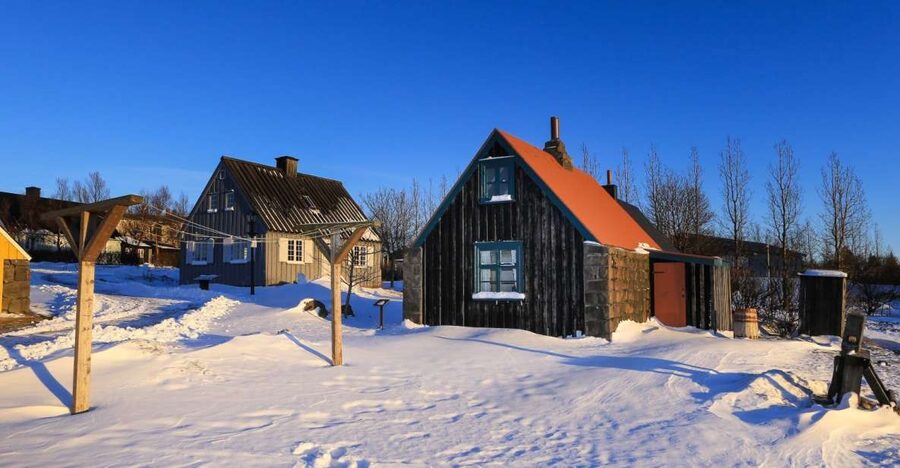
Árbær Open Air Museum gives you a chance to leave central Reykjavík and see historic buildings arranged as an old town and farm setting. You will find houses, cottages, a living roof, and stables rather than a conventional indoor collection.
I would save this for a longer pass, a clear afternoon, or a visit when you want fresh air between indoor attractions. The setting gives you a stronger feel for older daily life than a glass case can provide.
The drawback is distance. You need bus time or another way to get there, and the museum’s shorter afternoon hours require planning. Still, it is exactly the kind of place a city pass makes easier to try. Without the card, you might decide it is too far for a separate admission.
Compare the three Reykjavík Art Museum sites
The Reykjavík Art Museum is split between Ásmundarsafn, Hafnarhús, and Kjarvalsstaðir. Each has a different setting and focus, so do not think of them as interchangeable branches.
Ásmundarsafn presents the work of sculptor Ásmundur Sveinsson in a distinctive museum setting. Kjarvalsstaðir is associated with Icelandic art and the work of Jóhannes S. Kjarval. Hafnarhús, located near the harbor, is the most contemporary-feeling of the three.
Art is personal, and your reaction may vary. One visitor found the art museum less engaging than the Settlement and Maritime museums, while another especially enjoyed Kjarvalsstaðir. That is a fair warning: include the art sites if you like modern and Icelandic art, but do not buy the card solely for them.
The practical advantage is choice. You can step into one gallery for a short look, then move on without paying another admission. Kjarvalsstaðir and Hafnarhús open from 10 a.m., while Ásmundarsafn opens from 1 p.m. according to the listed hours, so the timing affects your route.
Add the National Gallery and Culture House
The National Gallery of Iceland is another strong art stop, especially if you want Icelandic painting and visual culture in a more traditional gallery setting. The Culture House adds a broader cultural program and is easy to pair with central Reykjavík sightseeing.
The Culture House is also called the House of Collections in some visitor planning, so check the current name and schedule when you pick up the card. It was a favorite stop for one pass holder, which makes sense if you prefer a variety of historical and cultural material rather than one narrow subject.
Seniors aged 67 and older receive a 50 percent admission discount at the National Gallery, the National Museum, and the Culture House. That means the card may be less useful for a senior who plans only one or two of those sites. Do the arithmetic before buying.
Make time for photography and local museums
The Museum of Photography is a compact but worthwhile choice for people who enjoy visual storytelling. Exhibitions change, so the appeal depends on what is showing during your visit. One exhibition, Lament of a Horse, made a particularly strong impression on a recent visitor.
The City Museum also includes the Maritime Museum, Árbær Open Air Museum, and Settlement Exhibition. Together, these museums give you a well-rounded picture of Reykjavík: its beginnings, its sea-based economy, and its homes and neighborhoods.
You can also use the card at the Sigurjón Ólafsson Museum, Gerdarsafn Museum, and the Natural History Museum of Kópavogur. These sites extend beyond the central core, so the bus benefit becomes more important. They may appeal most to repeat visitors or anyone with a 72-hour pass and a strong interest in art or science.
Use the pools for a local Icelandic pause
The included swimming pools are one of the pass’s best features. You get admission to eight Reykjavík geothermal pools, with the exact practical value depending on how many you visit and how much you enjoy public bathing.
I like this part of the card because it changes the pace of a museum day. You can spend the morning indoors, take a bus to a pool, warm up in geothermal water, and continue sightseeing later.
These are city pools, not private luxury spas. That is precisely the point. You are getting a local recreation experience rather than a premium spa package. Children aged 6 and older pay entrance fees at the pools, so families should calculate the total rather than assume every member enters free.
Pool hours vary between weekdays and weekends. Check them before you go, especially in winter when a late afternoon visit may be easier than expected, but evening hours can differ by location.
Take the ferry to Viðey Island
The free ferry to Viðey Island gives the card an outing beyond the usual museum circuit. The island offers a quieter setting and a change from Reykjavík’s streets, with views back toward the capital and the surrounding scenery.
This works best when you have enough time to account for ferry schedules and weather. A storm or rough conditions can close the service, as happened during one visit. Do not build your entire pass around Viðey unless you have a backup plan.
I would pair the island with nearby city sights only if the ferry schedule fits neatly. Otherwise, treat it as a separate half-day choice. The fact that it is included makes the decision easier, since you can try it without adding another ticket cost.
Getting around by bus
Unlimited bus use is the card’s most practical benefit for many people. Reykjavík’s center is easy to walk, but the included attractions do not all sit within a few blocks. The bus also helps if your hotel is outside the center or if the weather turns unpleasant.
Google Maps can help with routes, and the Klapp bus app was specifically useful for planning. You should not expect every driver to explain the network or stops. Sit down or hold on, since buses can move quickly and brake hard.
Bus timing is generally useful, but do not plan a packed schedule around perfect punctuality. Leave breathing room between a museum, pool, and ferry. The pass gives you freedom to move around, not a guarantee that every connection will line up.
Is the price worth it?
The listed price is $40 per person, with validity from one to three days. The exact value depends on the length you choose and how actively you use it, so think in visits rather than calendar days.
The card can pay for itself quickly if you combine two major museums with a swimming pool or several bus rides. One visitor used a 48-hour pass for museums and buses and found the extra cost over a 24-hour pass worthwhile. Another used the card for only two activities and did not get as much value as someone starting early and visiting several sites.
The best calculation is simple:
- Add the normal admission prices for the museums you truly plan to visit.
- Add the cost of your likely bus trips.
- Add a pool visit or the Viðey ferry if either fits your schedule.
- Compare that total with the card price.
Do not count private attractions as included. Perlan, the Phallological Museum, and some other sites may offer discounts rather than free entry. Geothermal pools in nearby municipalities are not included, and privately owned museums and galleries may charge full price or offer only a discount.
The pass is also less attractive during citywide free-admission events, such as Culture Night around mid-August or Museum Night during the Winter Lights Festival. If museums are already free on your dates, the bus and pool benefits become the main reason to buy.
Pickup, activation, and planning tips
You must exchange the digital voucher for the physical card at one of the listed locations. Pickup options include Reykjavík Art Museum sites, Árbær Open Air Museum, the Maritime Museum, the Museum of Photography, and the Settlement Exhibition.
Opening hours matter. Hafnarhús and Kjarvalsstaðir open at 10 a.m., while Ásmundarsafn and several City Museum locations open at 1 p.m. Holiday hours may change. If you buy a 24-hour card, collecting it late in the afternoon wastes valuable sightseeing time.
I would pick up the card at the first museum you genuinely want to visit, then activate it when you are ready to begin. Once collected, the validity clock is running. Do not collect it days early unless you are prepared to start using it.
The card is wheelchair accessible, but you should still confirm practical access at each individual site if that matters for your visit. The card itself does not remove every transport or child admission charge.
Who should buy the card?
I would recommend it to you if you have one to three days in Reykjavík and want museums, public pools, and independent sightseeing. It is especially useful for a rainy day, a cold day, a hotel outside the center, or a first visit when you want a ready-made list of places to explore.
Families should check the child rules carefully. Museum entry is free under 18, but children aged 6 and older pay on buses, at pools, and at the zoo and family park. Seniors should compare the card with the 50 percent discounts available at three major cultural institutions.
You should probably skip it if you plan to visit only one museum, rely on walking, and have no interest in public pools or Viðey. It also makes less sense during a free museum event or when most of your sightseeing takes place outside Reykjavík.
Should you book the Reykjavík City Card?
Book it if you can name at least two included museums, one pool, several bus rides, or the Viðey ferry. The strongest value comes from combining different benefits, not from rushing through a long list of attractions.
For a single day, start early, collect the card at a 10 a.m. pickup point, choose two or three central museums, and use the bus for one farther stop. For 48 or 72 hours, add Árbær, a pool, and Viðey if weather and schedules cooperate.
The card will not organize Reykjavík for you, but it gives you a flexible and reasonably priced framework. Plan around activation and opening hours, then leave room for the city’s best habit: letting a museum, pool, or ferry ride change the shape of your day.
FAQ
How long is the Reykjavík City Card valid?
You can choose a card valid for 1, 2, or 3 days. The available durations are generally described as 24, 48, or 72 hours.
When does the card become active?
The card becomes active when you exchange your digital voucher for the physical card at a pickup location. The validity period then begins, so collect it when you are ready to use it.
Where can I pick up the physical card?
You can pick it up at participating Reykjavík Art Museum locations, Árbær Open Air Museum, the Maritime Museum, the Museum of Photography, or the Settlement Exhibition. Opening hours vary by location and may change during holidays.
Are Reykjavík museums free with the card?
The museums and galleries listed as included provide free entry with the card. Privately owned museums and galleries, along with some sites in nearby municipalities, may not be included.
Does the card include Reykjavík swimming pools?
Yes. It includes admission to eight geothermal swimming pools in Reykjavík. Pools in surrounding municipalities are not included.
Is public transportation included?
The card provides free, unlimited travel on city buses within the Reykjavík city area. Children aged 6 and older are charged on city buses.
Is the ferry to Viðey Island included?
Yes. The Reykjavík City Museum section of the card includes the ferry to Viðey Island. Ferry service can be affected by weather, so check conditions before planning your visit.
Just added around Reykjavik
- Reykjavik: Whale and Puffin Watching RIB Boat Tour★ 4.6 · 179 reviews
- Reykjavik: Whale Watching Express★ 4.3 · 227 reviews
- Reykjavik: Whale Watching & Lava Show★ 5.0 · 4 reviews
- Reykjavik: Whale & Marine Adventure Tour★ 4.3 · 71 reviews
- From Reykjavík: Viking Horseback Tour in Hafnarfjörður★ 4.9 · 112 reviews
- Reykjavík: Horse Riding Tours★ 4.9 · 127 reviews
- Luxury Private Transfer from Reykjavik to Keflavik Airport★ 5.0 · 9 reviews
- Day Trip to Snæfellsness Peninsula from Reykjavik★ 5.0 · 7 reviews
City Tours, compared.

City Sightseeing Reykjavik Hop-On Hop-Off Bus Tour: 24 or 48-Hour
Read our review →
Airport Transfer in Iceland from Keflavik Airport to Reykjavik City With Hotel Drop Off
Read our review →

City Walking tour in Small Group with Local Guide
Read our review →
Airport Transfer in Iceland from Reykjavik City to Keflavik Airport with Hotel Pick Up
Read our review →
Airport Express Shared Departure transfer from Reykjavik City to Keflavik Airport
Read our review →
Browse the lists this tour appears in