
Reviewed · SNAEFELLSNES PENINSULA TOURS
Snæfellsnes: Small-Group Hidden Treasures of The West Tour
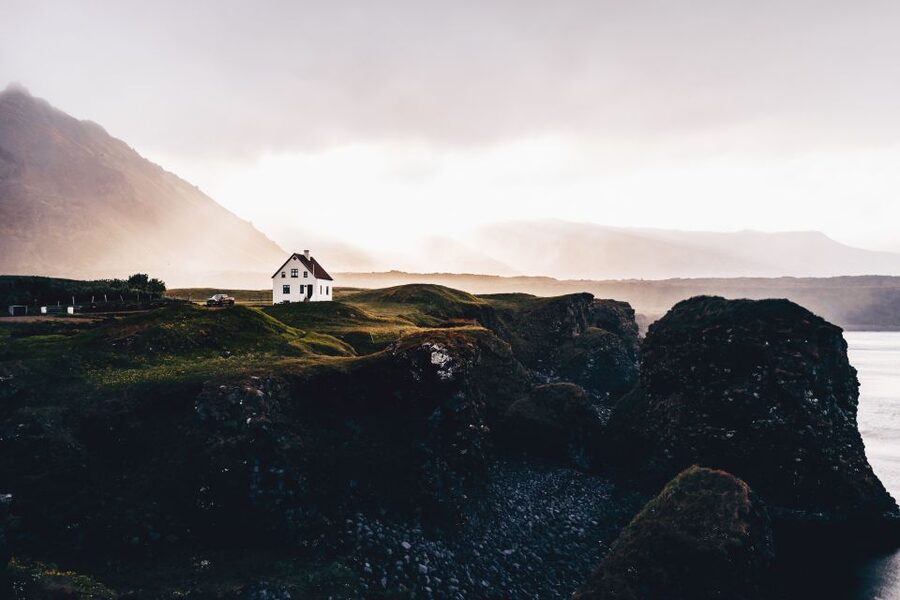
Snæfellsnes saves its best surprises for the road. In one long day, you move from a fjord and Viking settlement at Borgarnes to seal-covered rocks, lava fields, black beaches, sea arches, bird cliffs, and Iceland’s most photographed mountain. The final view of Kirkjufell reflected in a lake is the sort of scene that makes the long drive worthwhile.
I like the variety, since this is not simply a mountain-and-waterfall outing. I also like the guides’ role: Tania, Elias, Corinna, David, and others are praised for history, geology, folklore, humor, and careful driving. The drawback is simple: 12 hours is a long day, with plenty of bus time between stops, and weather can change the experience quickly.
Key points to know before booking
- Seal watching at Ytri-Tunga: Look toward the rocks from the sandy beach, where wild seals often rest.
- A full Snæfellsnes sampler: The route includes Kirkjufell, Djúpalónssandur, Lóndrangar, Arnarstapi, Búðir, and Ytri-Tunga.
- Good storytelling on the road: Guides share Icelandic history, geology, language, and tales of Bárður, the half-man, half-troll.
- Short walks at dramatic sites: Most stops allow around 15 to 60 minutes, enough for photographs and a closer look.
- Weather matters: Bring warm clothes, hiking shoes, and rain gear, even if Reykjavík looks calm at departure.
- Strong value for a long day: At $159 per person, transport, an English-speaking guide, Wi-Fi, and Icelandic music are included.
Why Snæfellsnes works as a one-day trip
Snæfellsnes is often called Iceland in miniature, and this route shows why. You get volcanic rock, open ocean, mountains, waterfalls, fishing villages, a historic church, wildlife, and black volcanic beaches without changing hotels.
That variety is the main reason I would choose this trip over a shorter outing focused on one type of scenery. You are not spending the whole day at one waterfall or one viewpoint. Instead, each stop gives you a different piece of western Iceland.
The tradeoff is distance. The driving time adds up to several hours, and the tour begins with pickup in central Reykjavík around 8:00 AM. Pickup can take about 30 minutes, so you need to be ready at your selected meeting point before the bus arrives.
This is a small-group tour, but the exact number of passengers is not provided. You will ride by bus or coach, with Wi-Fi and Icelandic music available between stops. That combination makes the long stretches easier, although anyone who dislikes full-day road trips should think carefully before booking.
More Snaefellsnes Peninsula Tours in Reykjavik:
- Reykjavik: Snæfellsnes Day Trip with Vatnshellir Lava Cave
★ 4.7 · 1,108 reviews - Snaefellsnes Peninsula Full Day Tour from Reykjavik
★ 4.5 · 1,036 reviews - Reykjavik: Snaefellsnes & Mt. Kirkjufell Guided Minibus Tour
★ 4.8 · 757 reviews
Borgarnes begins the western journey
The road west starts with a scenic drive through a fjord and mountain country toward Borgarnes. This is more than a quick service stop. Borgarnes was one of the first places settled by Norwegian Vikings, giving your guide a useful opening for stories about Iceland’s early settlement.
The first stop lasts about 15 minutes and is listed for a break and shopping. Use it to stretch your legs, buy a snack, or prepare for the more rugged coastal stops ahead.
Borgarnes appears twice in the schedule, once on the way out and again on the return. That practical pause matters after a long day. It also breaks up the roughly 80-minute ride back to central Reykjavík.
Ytri-Tunga brings you close to wild seals
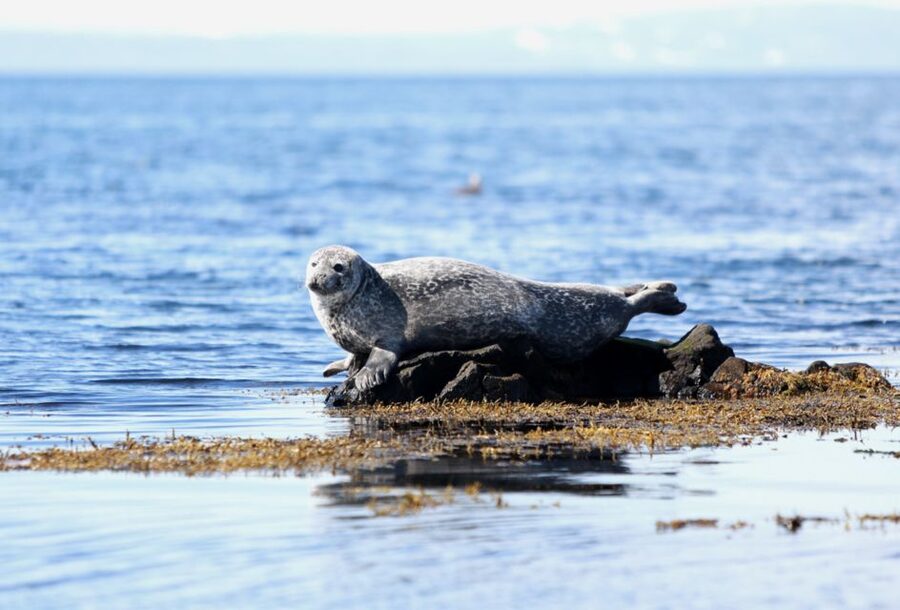
Ytri-Tunga is one of the most appealing stops because it adds wildlife to a day otherwise built around rock and scenery. The sandy beach hides a seal colony near the water, with seals resting on the rocks and sometimes appearing curious as people watch from a distance.
You should bring patience and binoculars if you have them, although binoculars are not listed as part of the tour. The seals are wild, so sightings are not guaranteed, and the right approach is quiet observation rather than expecting an animal show.
The stop lasts about 40 minutes. That gives you time to walk along the beach and scan the rocks without turning the visit into a rushed photo stop. The softer sand at Ytri-Tunga also creates a useful contrast with the black volcanic pebbles later at Djúpalónssandur.
The tour description notes that seals once had a practical value in Iceland, providing food and materials, while modern visitors are encouraged to appreciate them as part of the country’s natural culture. That small detail helps place the wildlife in a wider Icelandic context.
Búðir and the lonely black church
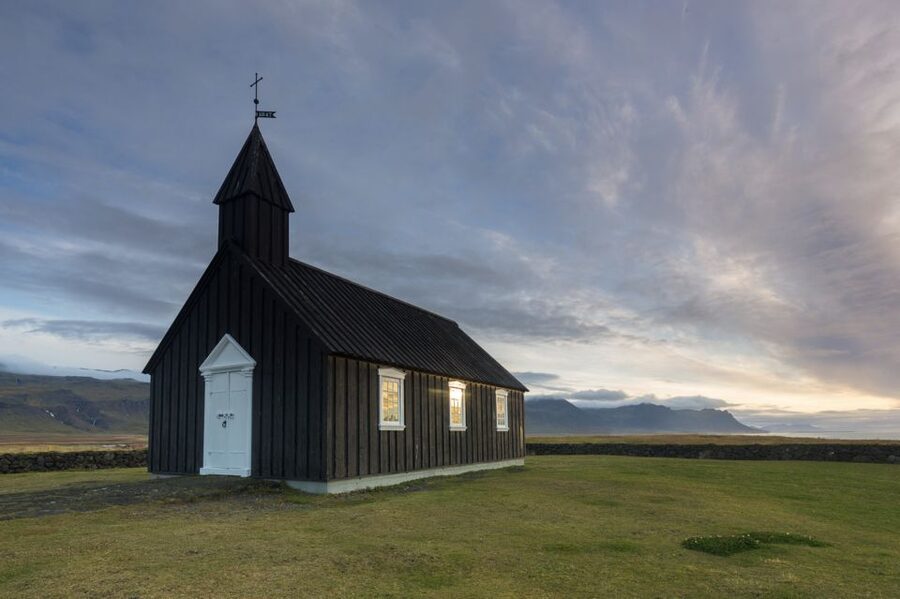
Búðir is an old settlement set among broad lava fields. Its earlier name, Hraunhofn, means Harbor of Lava, a fitting label for a place where dark volcanic ground meets the sea.
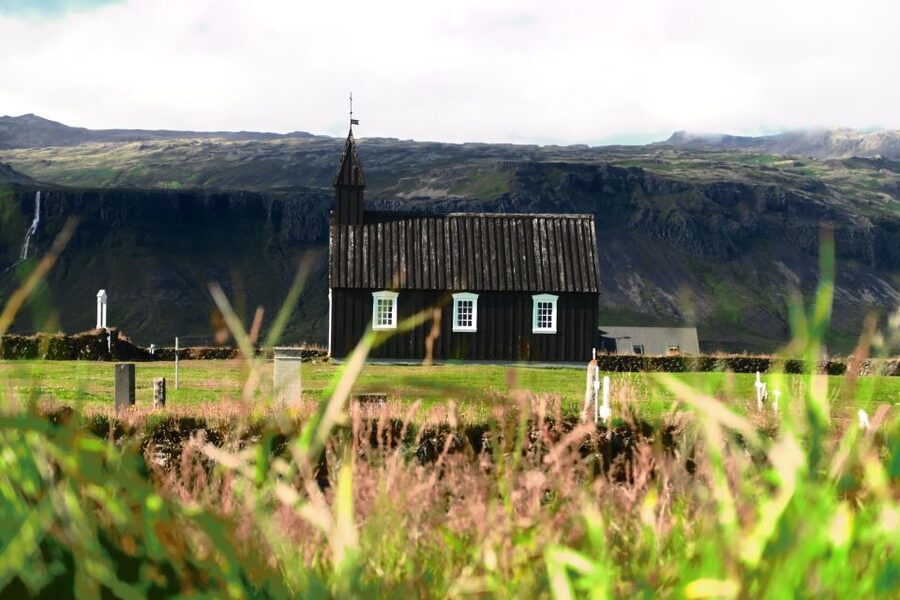
The main sight is Búðakirkja, a tiny black wooden church. It is the only remaining building from the old village, with the modern Hotel Búðir nearby. The stop is short, about 15 minutes, so you should expect a quick walk and photographs rather than a lengthy visit inside a historic complex.
I like this pause because it is quiet and visually simple. The church is not grand, and that is the point. Against the lava fields, its dark walls create one of those Icelandic scenes where a modest building feels perfectly placed.
Same island, a completely different kind of day:
- Reykjavik: Golden Circle Full-Day Tour with Kerid Crater
★ 4.8 · 24,485 reviews - Reykjavik Food Walk – Local Foodie Adventure in Iceland
★ 5.0 · 18,952 reviews - Iceland: Northern Lights Bus Tour from Reykjavik
★ 4.1 · 11,161 reviews - Reykjavík: South Coast Waterfalls, Black Sand & Glacier Tour
★ 4.8 · 11,030 reviews
Arnarstapi puts you on the Atlantic edge
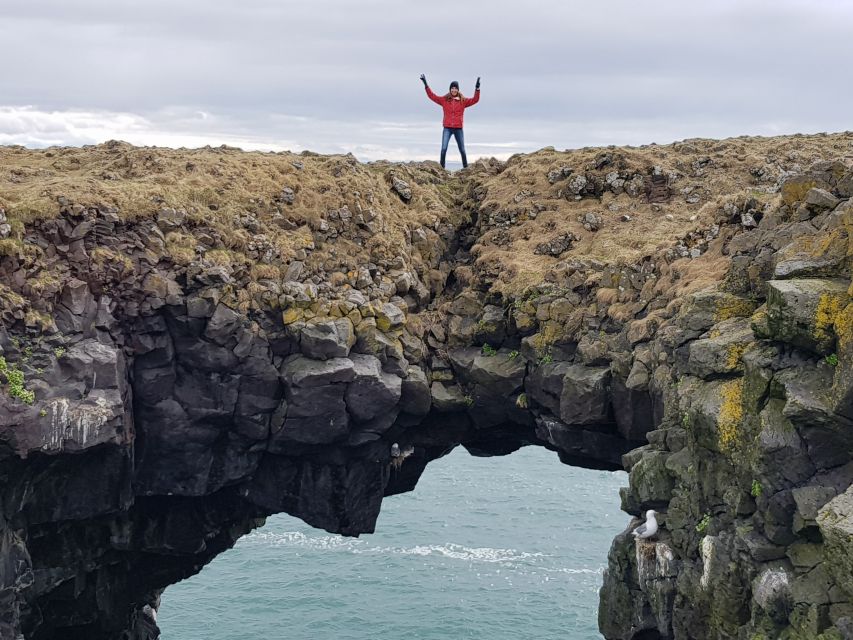
Arnarstapi is one of the day’s strongest stops. This small fishing village sits below a mountain, beside a harbor and a coast formed from old volcanic activity. Molten rock met the Atlantic, and thousands of years of erosion shaped the cliffs, arches, and sea formations you see today.
You get about an hour here, the longest stop on the route. That gives you time for a proper walk, photography, and a closer look at the coastal formations. The cliffs can be dramatic, so sturdy hiking shoes are a sensible choice even if you do not plan a strenuous hike.
The area is also tied to Bárður, the half-man, half-troll figure associated with Snæfellsnes. Your guide may explain how folklore connects him with the peninsula and its unusual rock forms. This is where the tour’s storytelling adds real value. The cliffs are impressive on their own, but the old tales make them easier to remember.
Gatklettur and the weather-shaped coast
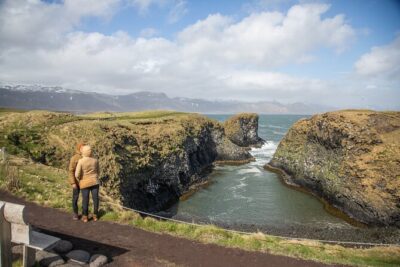
Gatklettur, also called Hellnar Arch, is a naturally formed stone arch along the coast near Arnarstapi. Its shape makes it especially good for photographs and video, but the real pleasure is seeing how waves and time have opened the volcanic rock.
The schedule places the main Arnarstapi visit at about an hour, with the coastal formations included in the stop. Conditions may affect how long you can comfortably spend near the water. Wind, rain, snow, and slippery ground are all possible in Iceland, which is why rain gear and proper shoes are not optional extras.
This is not a polished attraction with barriers and displays. You are looking at raw coast, and that means the experience depends partly on the weather. In clear conditions, the views can stretch across cliffs and sea. In poor weather, the coast becomes moodier and more forceful, but you may need to shorten your walk.
Djúpalónssandur combines volcanic drama and old stories
Djúpalónssandur is a black pebble beach with a darker, more mysterious feel than Ytri-Tunga. The shore is made from rounded volcanic stones, and the remains of a shipwreck add a reminder of how unforgiving this coast can be.
Nearby Dritvík Cove offers more coastal views and can be a good place for birdwatching. The area is associated with old lifting stones, traditionally used to test the strength of fishermen. These details give the beach a human story as well as a geological one.
You have about 45 minutes here for a self-guided walk, sightseeing, and photographs. Watch your footing on the uneven volcanic pebbles. This is a place for sturdy footwear and sensible pacing, not sandals and a hurried dash to the water.
Djúpalónssandur is one of the stops where the tour feels most different from standard Iceland day trips. It has no single landmark that explains everything. Instead, you take in the black shore, broken ship remains, cliffs, birds, and old tales as one powerful coastal scene.
Lóndrangar rises above the southern shore
Lóndrangar consists of two huge basalt pinnacles, said to reach about 75 meters high. They are the remains of a volcanic crater, shaped by erosion over many thousands of years.
You get around 30 minutes for a viewpoint, photographs, and a short walk. The rocks can be seen from along the southern coast, but stopping gives you a better sense of their scale.
The area may also bring sightings of seabirds such as northern fulmars and puffins. Puffins are not guaranteed, and the tour does not promise a dedicated birdwatching session, so treat any sighting as a welcome extra.
I like the way Lóndrangar follows Djúpalónssandur. The earlier beach shows the coast at ground level, while this stop lets you look outward and upward at the volcanic remains. Together, they explain how fire, ocean, wind, and time shaped Snæfellsnes.
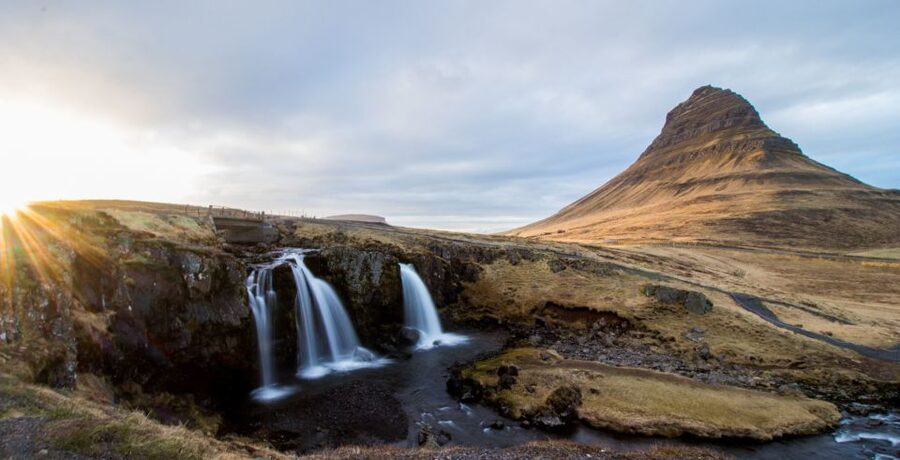
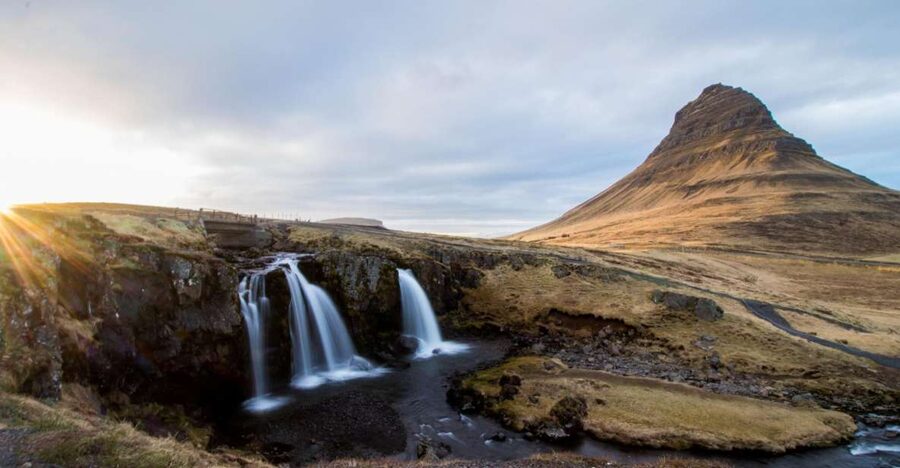
Kirkjufell closes the day with Iceland’s famous view
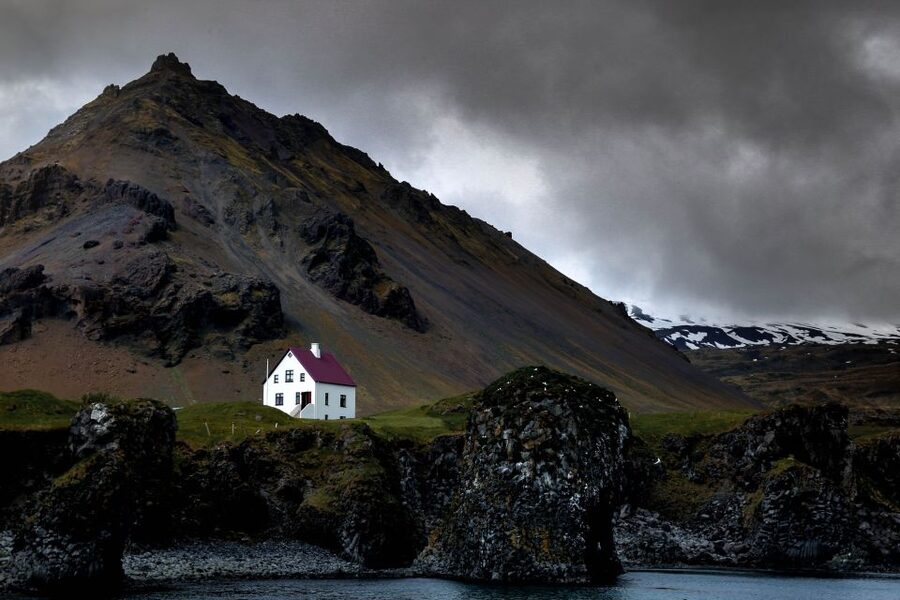
Kirkjufell is the final major stop and the image most likely to appear in Iceland trip planning. The mountain’s unusual shape has made it a favorite subject for photographers and a recognizable location from Game of Thrones.
At its base, a lake can reflect the mountain like a mirror. The tour allows about 45 minutes for a photo stop, sightseeing, and a walk. That is enough time to look for the classic composition, but light and weather will determine how clear the reflection is.
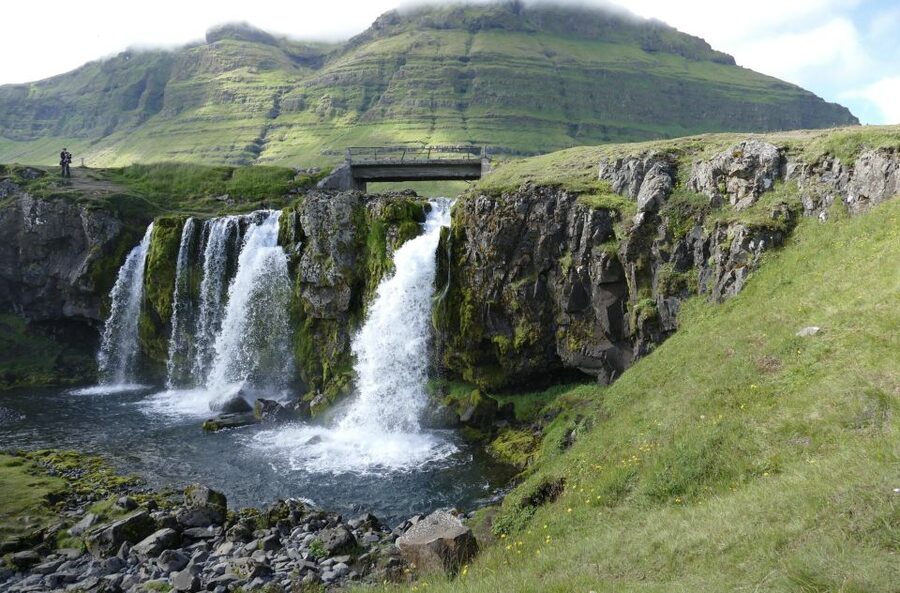
The nearby waterfall adds another layer to the scene. You can frame water, mountain, and sky together, though the best angle depends on where you stand and what the conditions allow.
Ending here is smart. After a day of varied stops, Kirkjufell gives you a clean, memorable final image before the long return drive. It is also a reminder that the most famous sight does not need to be the only reason to visit Snæfellsnes.
Guides, comfort, and the value of the ride
The guide can make or break a 12-hour road trip. This experience includes a live English-speaking guide, and past guide names include Tania, Elias, David, Corinna, Gill, Jacob, Vala, Carlos, Ronan, and Þorsteinn. Their praised strengths include humor, careful driving, clear explanations, and stories about Icelandic geology, language, folklore, and settlement.
That range matters because much of the day takes place on the road. A good guide turns the bus time into part of the experience rather than dead time. Icelandic music and Wi-Fi are also included, giving you something to enjoy between the views and stops.
The schedule is tightly planned, but not absurdly rushed. The shortest stop is Búðir at 15 minutes. Arnarstapi receives about an hour, while Ytri-Tunga, Djúpalónssandur, and Kirkjufell offer roughly 40 to 45 minutes each.
At $159 per person, I see fair value if you do not have a rental car or prefer not to drive in Icelandic weather. You receive transport, a guide, pickup from selected central Reykjavík locations, Wi-Fi, and a full day of sightseeing. A self-drive trip could offer more freedom, but it also requires navigation, fuel, weather decisions, and confidence on a long route.
The main cost is your time and energy. You leave in the morning and return after roughly 12 hours, with a pickup process that can take 30 minutes at the start. If you have only one free day in western Iceland, the packed route works in your favor. If you prefer slow meals and long walks, it may feel too structured.
What to pack and who should choose it
Wear warm clothing in layers, hiking shoes, and rain gear. That advice applies even in summer. Coastal wind can make a mild day feel cold, while rain or snow may change the comfort level at exposed cliffs and beaches.
I would choose this tour if you want to see many sides of Iceland without renting a car. It suits photographers, first-time visitors, people interested in geology and folklore, and anyone who wants wildlife included in a scenic day.
I would hesitate if you dislike long bus rides, need guaranteed animal sightings, or want to spend half a day at one site. The route covers a lot of ground, so the reward is breadth rather than deep time in one location.
Booking is flexible: you can reserve now and pay later, and cancellation is free up to 24 hours before departure for a full refund. Pickup is available at selected central Reykjavík locations, but you need to provide your accommodation address so the operator can assign the closest point.
Should you book the Snæfellsnes Hidden Treasures tour?
Book it if you want a well-filled introduction to western Iceland and value a guide who adds stories to the scenery. The strongest reasons are the wide mix of sights, the chance to see seals, the dramatic coastal walks, and the repeated reports of guides who are funny, attentive, and safe drivers.
Skip it if a 12-hour day sounds exhausting. This is a road trip with several short walks, not a relaxed village outing. For most people with limited time in Iceland, though, $159 buys a practical and memorable sweep of Snæfellsnes, from the quiet black church at Búðir to the final reflection of Kirkjufell.
FAQ
How long is the Snæfellsnes tour?
The tour lasts 12 hours, including transportation from central Reykjavík and the return journey.
Where does pickup take place?
Pickup is available at selected locations in central Reykjavík. Provide your complete accommodation address so the local provider can tell you the closest pickup point.
What time should I be ready?
You should be ready at 8:00 AM at your designated pickup location. The pickup process usually takes about 30 minutes.
Is an English-speaking guide included?
Yes. The experience includes a live English-speaking guide.
What sights are included?
The route includes Borgarnes, Kirkjufell, Djúpalónssandur, Lóndrangar, Arnarstapi, Búðir, and Ytri-Tunga.
Can I see seals on the tour?
Ytri-Tunga is a beach with a wild seal colony. Seals often rest on the rocks, but sightings are not guaranteed because they are wild animals.
How much walking is involved?
Walking is included at several stops, including Kirkjufell, Djúpalónssandur, Lóndrangar, Arnarstapi, Búðir, and Ytri-Tunga. The listed stop times range from about 15 minutes to one hour.
What should I bring?
Bring warm clothing, hiking shoes, and rain gear.
Can I cancel or pay later?
You can reserve now and pay later. Cancellation is free up to 24 hours in advance for a full refund.
Just added around Reykjavik
- Reykjavik: Whale and Puffin Watching RIB Boat Tour★ 4.6 · 179 reviews
- Reykjavik: Whale Watching Express★ 4.3 · 227 reviews
- Reykjavik: Whale Watching & Lava Show★ 5.0 · 4 reviews
- Reykjavik: Whale & Marine Adventure Tour★ 4.3 · 71 reviews
- From Reykjavík: Viking Horseback Tour in Hafnarfjörður★ 4.9 · 112 reviews
- Reykjavík: Horse Riding Tours★ 4.9 · 127 reviews
- Luxury Private Transfer from Reykjavik to Keflavik Airport★ 5.0 · 9 reviews
- Day Trip to Snæfellsness Peninsula from Reykjavik★ 5.0 · 7 reviews
Snaefellsnes Peninsula Tours, compared.
Snæfellsnes Day Trip with Vatnshellir Lava Cave
Read our review →
Snaefellsnes Peninsula Full Day Tour from Reykjavik
Read our review →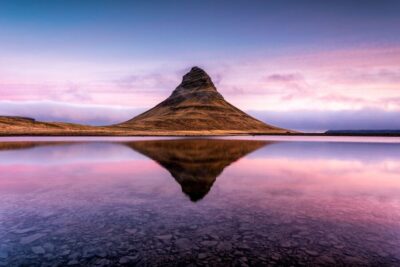
Snaefellsnes & Mt. Kirkjufell Guided Minibus Tour
Read our review →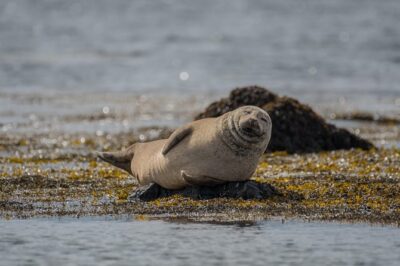
Snaefellsnes Small Group Tour with Homemade Meal from Reykjavik
Read our review →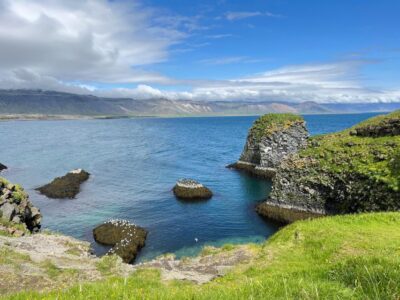
Snaefellsnes & Kirkjufell Small Group Day Tour
Read our review →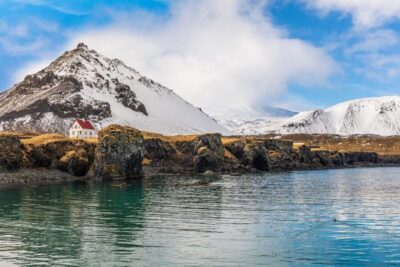
Snaefellsnes Peninsula and Kirkjufell Small-Group Tour
Read our review →Browse the lists this tour appears in