
Reviewed · GOLDEN CIRCLE TOURS
Dive the Divide: Silfra Fissure Scuba Tour | Meet at Thingvellir
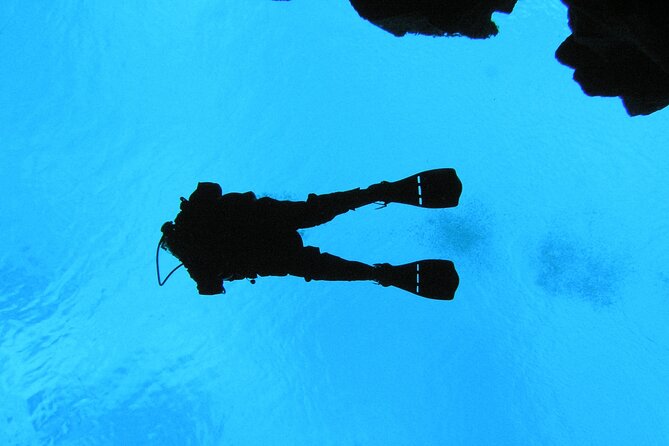
At Silfra, you swim through water so clear that the blue seems to come from the rock itself. The route passes between the North American and Eurasian continental plates, through the Deep Crack, Silfra Hall, Cathedral, and the Lagoon. Visibility can reach more than 100 meters, making this one of Iceland’s most unusual underwater experiences.
I like the very small group size, limited to three people or fewer, and the fact that your PADI-certified guide can give close attention to your gear and comfort. I also like the simple finish: hot chocolate and cookies after you have changed back into dry clothes. Guides such as Franceska have been praised for warming gloves, helping with drysuits, and keeping a calm tone in a cold setting.
The catch is serious: this is not a gentle sightseeing outing. You must carry heavy equipment about 400 meters, wear a drysuit in near-freezing water, and show recent drysuit experience. If you are not fit, comfortable in cold water, and properly certified, choose snorkeling at Silfra instead.
Key points to know before booking
- You need real drysuit experience: Bring a drysuit certification card or a logbook showing at least 10 previous drysuit outings signed by a professional.
- The walk with equipment is part of the challenge: You may carry tanks and other gear about 400 meters before entering the water.
- The group is capped at three: That gives your guide time to check seals, weights, signals, and comfort.
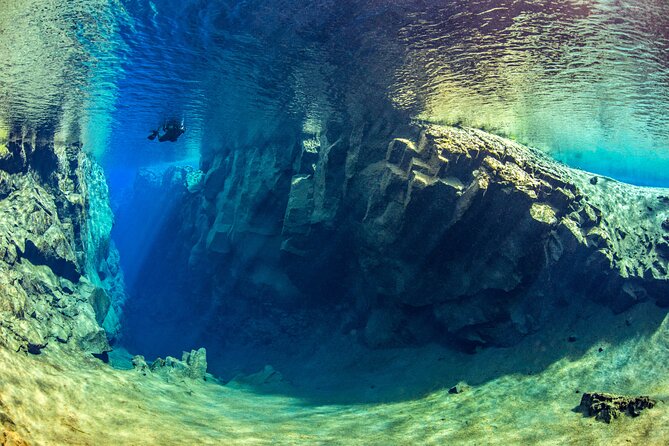
- Silfra is remarkably clear: Visibility may extend beyond 100 meters, with blue water, lava walls, and narrow passages.
- Winter can mean one shorter outing: Below-freezing conditions may change the plan from two 30-minute sessions to one session of about 45 minutes.
- The $296.41 price covers the specialist kit: You still pay for parking and must arrange your own transport from Reykjavik.
Why Silfra feels unlike an ordinary scuba outing
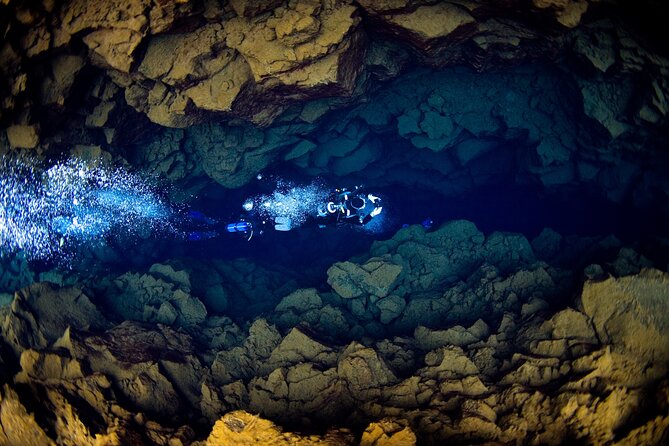
The appeal here is not fish, coral, or warm tropical water. Silfra is about rock, space, and clarity. You move through a flooded fracture in the earth, with the plates only a short distance apart at the narrowest point.
The water comes from filtered underground meltwater. It is exceptionally clean, and you may taste it if you wish. The cold is the trade-off. The water remains close to freezing, so the drysuit, thermal undersuit, warm clothing, and careful preparation matter more than they would on a normal recreational outing.
The route is also unusual because it changes character as you go. The Deep Crack feels narrow and enclosed. Silfra Hall opens out. Cathedral gives you a larger chamber with plunging lava walls. The Lagoon finishes the route in broad, brilliantly clear water.
You are not simply dropped into the fissure and left to find your way. Your guide explains park rules, hand signals, equipment use, the route, and the safety checks before you enter. That preparation takes time, but it is exactly what you want when wearing unfamiliar equipment in very cold water.
More Golden Circle Tours in Reykjavik:
- Reykjavik: Golden Circle Full-Day Tour with Kerid Crater
★ 4.8 · 24,485 reviews - From Reykjavik: Golden Circle, Kerid, & Secret Lagoon Tour
★ 4.8 · 6,009 reviews - Small-Group Golden Circle, Blue Lagoon with Ticket & Kerid Crater
★ 5.0 · 5,631 reviews
Meeting at Thingvellir and preparing for the water
You meet the guide at the Silfra meeting point in Thingvellir National Park, at the Silfra parking area on Vallarvegur. There is no pickup from Reykjavik, so you need to arrange your own transport. The park charges a small parking fee, listed as 500 ISK for a private car.
The full experience takes about four hours. Your booked start time matters because the preparation is not a quick handout of fins and a mask. You receive a briefing, get fitted with specialist gear, review signals, and go over the route before walking to the water.
The equipment provided includes:
- Drysuit
- Thermal undersuit
- Mask and fins
- Tanks and weights
- Regulator
- Other specialist scuba equipment
Wear warm fleece or wool undergarments and warm socks. Bring a complete change of clothes. A drysuit can develop a leak, and the operator makes clear that no suit is guaranteed to remain fully dry unless it was made specifically for you.
The suit fitting deserves patience. The seal around the mask must remain clear, since glasses cannot be worn beneath it. You can use contact lenses or prescription goggles, but ordinary glasses will not work. This is an easy detail to overlook and an annoying problem to discover beside an icy fissure.
The 400-meter equipment walk
The most practical warning is also the one most likely to affect your enjoyment. You must carry heavy scuba equipment for about 400 meters, or 1,312 feet, between the preparation area and the water.
That distance may sound modest on paper. It feels different when you are carrying tanks and wearing a bulky drysuit. The tour requires a strong level of fitness, and this is not the place to test whether you can manage a heavy load for the first time.
At the Silfra entrance, you descend a ladder to a submerged metal platform. You stand in waist-deep water while you get used to the temperature and equipment. The guide checks your weights and safety setup before you proceed.
This slow start is useful. Cold water, thick clothing, and a drysuit alter your balance and movement. You want time to confirm that your mask seals, your regulator works properly, and your suit feels right before heading farther into the fissure.
Through the Deep Crack and Silfra Hall
Once you are ready, you follow your guide underwater through the narrowest section of the route. The Deep Crack is the place where the continental-plate story becomes most immediate. You are moving through a gap formed by the separation of the North American and Eurasian plates.
The water is the star. Its clarity can extend beyond 100 meters, although actual visibility depends on conditions. The electric blue color and sharp volcanic rock create a spare, almost abstract scene. There is not much wildlife to distract you, and that is part of the point.
As the passage widens, you enter Silfra Hall. The change in scale gives the route a natural rhythm. You begin in a tight crack, then move into a broader chamber where the rock walls and clear water have room to dominate your view.
The guide leads the pace. That matters because cold-water scuba is not a place for rushing ahead to take photographs or lingering until you lose warmth. Small groups help here. With three people or fewer, the guide can keep the group together and watch how each person is handling the conditions.
More Silfra Snorkelling Tours in Reykjavik:
- Silfra: Snorkeling Between Tectonic Plates – Meet on Location
★ 5.0 · 5,001 reviews - Silfra: Fissure Snorkeling Tour with Underwater Photos
★ 4.9 · 2,731 reviews - Reykjavík: Silfra Fissure Snorkeling between Two Continents
★ 4.7 · 1,712 reviews - Silfra Drysuit Snorkeling with Free Photos – Meet on Location
★ 5.0 · 1,299 reviews
Silfra Cathedral and the Lagoon
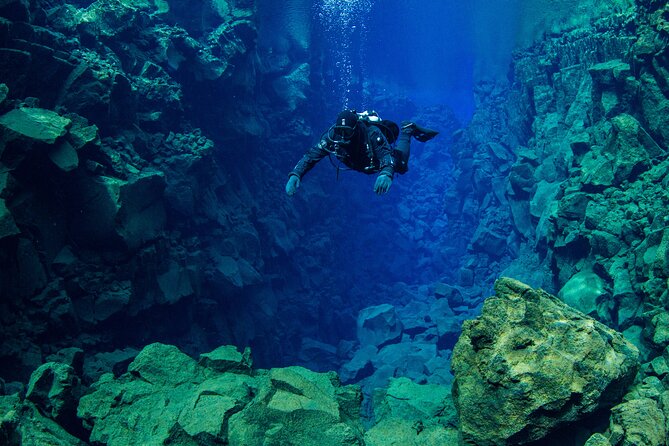
Silfra Cathedral is the route’s grandest section, with steep lava walls and an open, cavernous feel. The supplied route description places its deepest point at 22 meters, while the tour information gives a maximum depth of 18 meters. Because those figures do not match, you should treat the guide’s briefing and the day’s safety limit as final.
You then continue toward Silfra Lagoon. This is the broad closing section of the route, with the same remarkable clarity and blue color. The name suggests a calm finish, but remember that you are still wearing a drysuit and carrying the effects of cold water.
At the surface in the Lagoon, you remove your fins and the heavier equipment. You then walk back toward the parking area. This return walk is easier without the full underwater kit, but you still need enough energy to manage the final stretch and the changing process.
Back at the meeting point, you change into your everyday clothes and warm up with hot chocolate and cookies. It is a small inclusion, yet a well-chosen one. After a cold-water outing, a hot drink is practical rather than decorative.
Summer and winter schedules
In summer, you may make two underwater sessions of about 30 minutes each. The split can help you manage the cold, since you are not expected to remain in the water continuously for an extended period.
Winter conditions can change the format. If the water temperature falls below freezing, the guide may reduce the outing to one session of about 45 minutes for safety reasons. That is not a flaw in the operation. It reflects the fact that conditions at Silfra can be severe, and the plan must respond to them.
Weather also matters. The experience requires suitable weather, and poor conditions can lead to cancellation. If that happens, you are offered another date or a full refund. For your own planning, avoid placing this outing on the same day as a flight or an important fixed appointment.
How the small group changes the experience
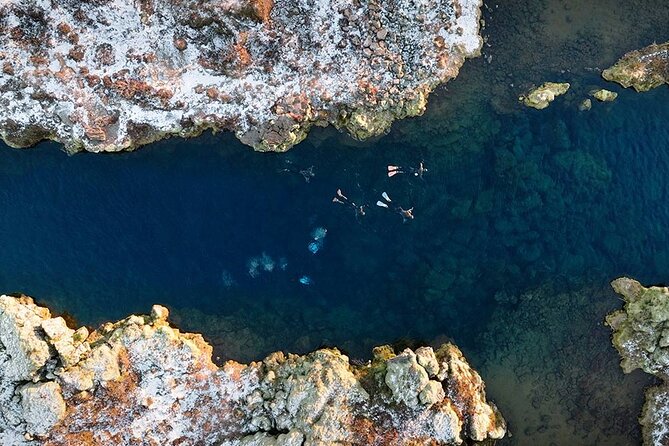
A maximum of three people is one of the strongest features here. Cold-water equipment takes time to fit and check, and small errors matter. A close guide-to-participant ratio allows more attention during the mask, weight, drysuit, and signal checks.
It also makes the underwater route feel less crowded. Silfra is narrow in places, so a large group could make the experience feel like a queue through a natural attraction. With three people or fewer, you have a better chance of moving at the guide’s pace without constant traffic around you.
Guide quality matters greatly in this setting. Franceska has been specifically praised for warming gloves, helping with drysuits, and offering steady encouragement during a particularly cold outing with snow beside the fissure. You cannot guarantee that she will lead your session, but the example shows the kind of hands-on support that is valuable here.
The guide’s role is not just to point out rock formations. It is to keep the group safe, make sure signals are understood, manage the route, and notice when someone is getting too cold or uncomfortable.
Is $296.41 a fair price?
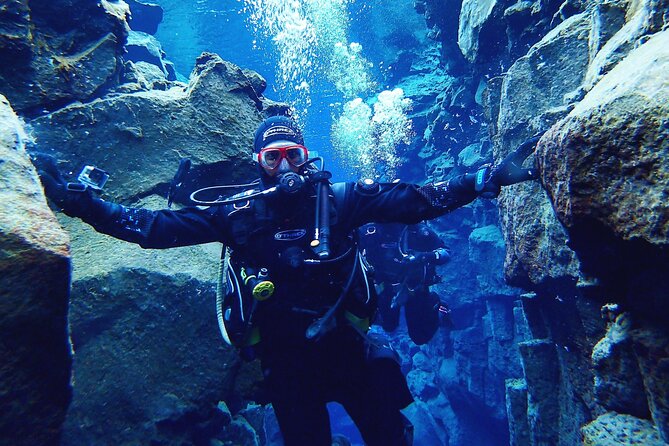
At $296.41 per person, this is an expensive four-hour activity. You are paying for a specialist cold-water setup, a certified PADI Divemaster, tanks, weights, drysuit, thermal undersuit, regulator, mask, fins, and a very small group.
You are also paying for the preparation and safety management. This is not a standard equipment rental where you collect a tank and make your own plan. The guide handles the briefing, fitting, route, signals, and checks in an environment where mistakes can have serious consequences.
The price is harder to justify if you already own suitable equipment and normally arrange your own scuba outings. It is easier to justify if you want a guided Silfra experience with equipment included and personal attention from a small group.
Transport is not included, and neither are food or drinks beyond the hot chocolate and cookies. Add the cost of reaching Thingvellir and the 500 ISK parking fee if you drive. Booking well ahead is sensible, since the experience is booked an average of 41 days in advance.
Who should book this Silfra experience?
This suits an experienced scuba enthusiast who already has drysuit skills and wants a very different type of underwater setting. You must be at least 18, physically fit, and comfortable carrying heavy equipment over the access route.
You should also be ready for cold. The water temperature is not a minor detail, and even a well-managed outing can leave you chilled. Warm layers, good socks, spare clothing, and a patient attitude will improve your day.
This is not suitable for a first scuba experience. It is also not suitable if your drysuit training is old or if you cannot show the required experience. You need either a drysuit certification card or a logbook with at least 10 previous drysuit sessions signed by a professional, plus a drysuit session within the last two years.
If your main goal is to see Silfra without the certification and equipment demands, look for a snorkeling option instead. The scuba route rewards preparation, but it does not soften its physical demands.
Booking, cancellation, and practical timing
You receive confirmation at booking, and you choose a required start time. Make sure you arrive at the Silfra meeting point rather than expecting a Reykjavik pickup.
Free cancellation is available up to 24 hours before the start time for a full refund. Changes made within 24 hours are not accepted, and late cancellations are not refunded. The cut-off uses local Icelandic time.
Allow breathing room around the four-hour estimate. The experience includes fitting, briefing, walking, the underwater route, changing, and the hot drink. The stated duration is approximate, so do not pair it too tightly with another scheduled activity.
Final verdict: should you book it?
Book this if you are a properly trained drysuit scuba diver who wants clear water, volcanic rock, and a rare chance to move between continental plates. The small group, complete equipment package, careful preparation, and warm drink afterward make the price easier to understand.
Skip it if you dislike cold water, cannot carry heavy gear, need glasses beneath a mask, or lack recent drysuit experience. Silfra is spectacular, but it demands more from you than a normal sightseeing stop.
For the right person, this is a focused and memorable four-hour adventure. Go prepared, bring warm layers and spare clothes, respect the physical requirements, and let the guide set the pace.
FAQ
Where does the Silfra scuba tour meet?
You meet your guide at the Silfra meeting point in Thingvellir National Park, on Vallarvegur in Iceland. The activity ends back at the same meeting point.
Is transportation from Reykjavik included?
No. Pickup from Reykjavik is not included, so you must arrange your own way to Thingvellir National Park.
What equipment is provided?
The tour provides a drysuit, thermal undersuit, mask, fins, tanks, weights, regulator, and other specialist scuba equipment.
How much does parking cost?
The national park charges a small parking fee. The listed fee for a private car is 500 ISK.
What certification and experience do I need?
You need previous drysuit experience. Bring a drysuit certification card or a logbook showing at least 10 previous drysuit sessions signed by a professional. You must also have used a drysuit within the last two years.
How old do I need to be?
The minimum age is 18 years old.
Can the tour change in winter?
Yes. If the water temperature falls below freezing, the guide may change the plan from two 30-minute sessions to one session of about 45 minutes for safety reasons.
More Scuba Diving in Reykjavik
- Silfra: Diving Between Tectonic Plates and Pick Up from Reykjavik
★ 5.0 · 590 reviews - Dive the Divide: Silfra Fissure Scuba Tour | Reykjavik Pickup
★ 4.5 · 94 reviews - Thingvellir: Silfra Fissure Diving with Optional Pickup
★ 4.6 · 73 reviews - Silfra: Diving Between Tectonic Plates
★ 4.8 · 64 reviews
Just added around Reykjavik
- Reykjavik: Whale and Puffin Watching RIB Boat Tour★ 4.6 · 179 reviews
- Reykjavik: Whale Watching & Lava Show★ 5.0 · 4 reviews
- Reykjavik: Whale Watching Express★ 4.3 · 227 reviews
- Reykjavik: Whale & Marine Adventure Tour★ 4.3 · 71 reviews
- From Reykjavík: Viking Horseback Tour in Hafnarfjörður★ 4.9 · 112 reviews
- Reykjavík: Horse Riding Tours★ 4.9 · 127 reviews
- Luxury Private Transfer from Reykjavik to Keflavik Airport★ 5.0 · 9 reviews
- Winter South Coast Day Tour by Minibus from Reykjavik★ 5.0 · 109 reviews
Golden Circle Tours, compared.
Golden Circle Full-Day Tour with Kerid Crater
Read our review →
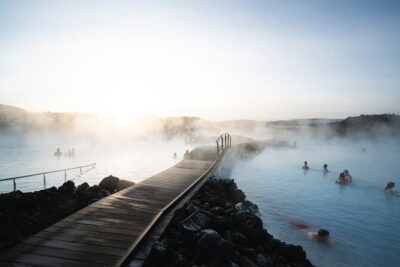
Small-Group Golden Circle, Blue Lagoon with Ticket & Kerid Crater
Read our review →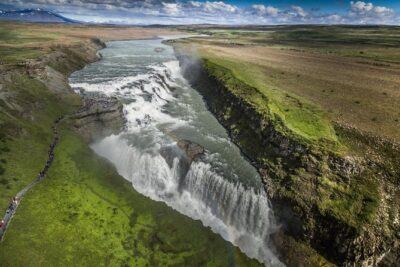
Golden Circle Classic Day Tour from Reykjavik
Read our review →
Golden Circle, Kerid Crater, & Blue Lagoon Tour
Read our review →
Golden Circle with Kerid Volcanic Crater Day Tour from Reykjavik
Read our review →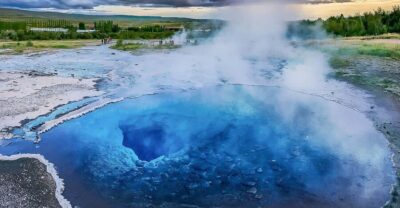

Small-group Golden Circle Classic Tour from Reykjavik
Read our review →Browse the lists this tour appears in