
Reviewed · HORSES
Red Lava Horse Riding Tour From Reykjavik
The most memorable part of this ride is not a distant wilderness trek. It is the chance to sit on an Icelandic horse among 5,000-year-old lava hills within easy reach of Reykjavik. The route passes mossy red rock, Rauðavatn, and natural riding paths, giving you a close look at Iceland’s volcanic ground at a relaxed pace.
I like the careful horse matching and the way the guides keep helping once you are on the trail. I also like the small-group setup, which makes room for beginners while giving experienced riders a chance to try the Icelandic horse’s smooth tölt. The main drawback is weather: icy or very wet conditions can make the ride cold, slippery, and less comfortable.
Key points to know before you book
- The ride covers about 5 to 7 kilometers, with the exact route adjusted to the group’s riding ability.
- You get 1.5 to 2 hours in the saddle, within a total tour time of about 2.5 hours.
- Beginners are welcome, and riders can choose a gentler route or a more active option when conditions allow.
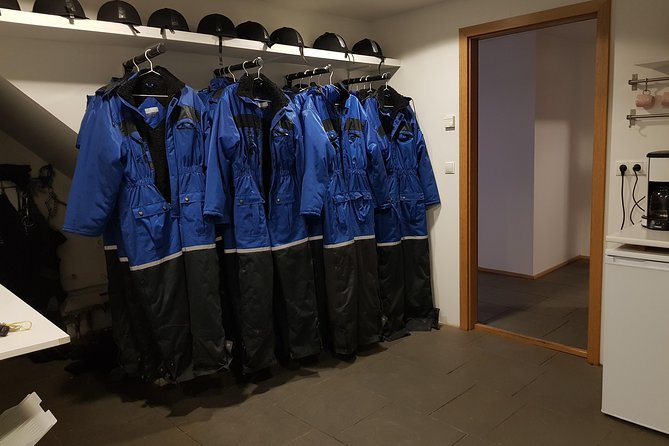
- Rain clothing and winter overalls are available, and you can also use riding boots supplied at the stable.
- The tölt is part of the appeal, and guides may give riders a chance to experience this special Icelandic gait.
- Pickup is available from Reykjavik hotels, guesthouses, and the BSI Bus Terminal, but you must follow the exact instructions on your voucher.
Why this is a good Reykjavik side trip
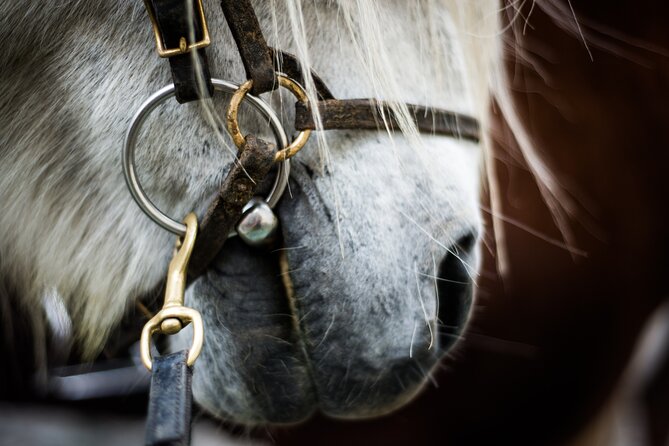
Icelandic horses are one of the country’s most distinctive sights, but seeing them in a field is not the same as riding one. This experience lets you meet the breed at close range, learn how the stable pairs horses with riders, and then head onto volcanic ground rather than an indoor arena or ordinary farm track.
The location works well for a short stay in Reykjavik. You do not need to spend a full day traveling to a remote riding center. The stable on Surtlugata is close enough for a brief transfer, and the riding area around Heiðmörk and Hólmsheiði quickly feels far removed from the city.
The tour has a maximum of 15 people. That is not a private ride, but it is small enough for the guides to watch the group and offer personal help. The strongest part of the experience is the practical care: horse matching before departure, instructions at the start, and corrections along the path when a rider looks uncertain.
A public rating of 4.8 from 386 ratings, with 96 percent recommending the activity, points to a consistently strong experience. Still, you should read that score alongside the setting. Icelandic weather changes fast, and the same open trails that look beautiful in clear weather can be wet, windy, or icy in colder months.
A few more Reykjavik trips to weigh up
- Reykjavik: Red Lava Horse Riding Tour
★ 4.8 · 2,383 reviews - From Reykjavík: Icelandic Horse Riding Tour in Lava Fields
★ 4.7 · 1,356 reviews - Icelandic Horseback Riding Tour with Pickup Option from Reykjavik
★ 5.0 · 1,145 reviews
Getting ready at Solhestar on Surtlugata
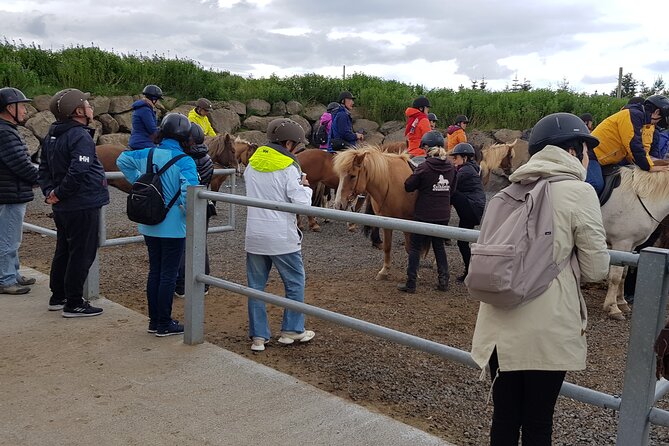
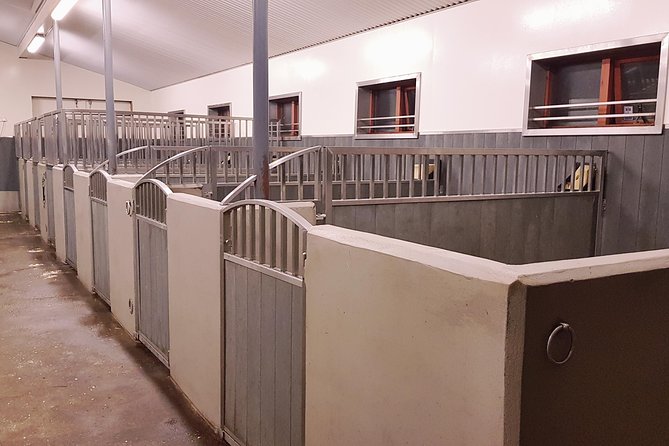
The first 30 minutes are spent at Solhestar Horse Rental Reykjavik, at Surtlugata 19. This is where you meet the staff, get dressed for the conditions, and find a horse suited to your size and riding experience.
You do not need to arrive with a full set of riding gear. The stable offers rain clothing and winter overalls, and riders can use riding boots. Several people found the supplied gear especially useful in rain, sleet, and cold wind. My practical advice is simple: take the waterproof clothing even if the sky looks friendly when you arrive.
Wear warm socks. Gloves matter too, especially in the colder months. One rider found ski gloves helpful, while another regretted not using the proper raincoat offered at the stable. Icelandic weather can make a short wait at the mounting area feel much colder than the forecast suggests.
Horse matching is a key part of the start. The staff consider your experience and pair you with a suitable animal. That matters if you have never ridden before, since a calm, responsive horse can make the difference between relaxing into the activity and spending the whole time worrying about the reins.
The preparation period can take some patience. A group ride must fit everyone with gear, mount the horses, and adjust equipment before leaving. If your group is near the 15-person limit, this may take longer than expected. The tradeoff is that the guides have time to help riders who need extra support.
Heiðmörk and the red lava hills
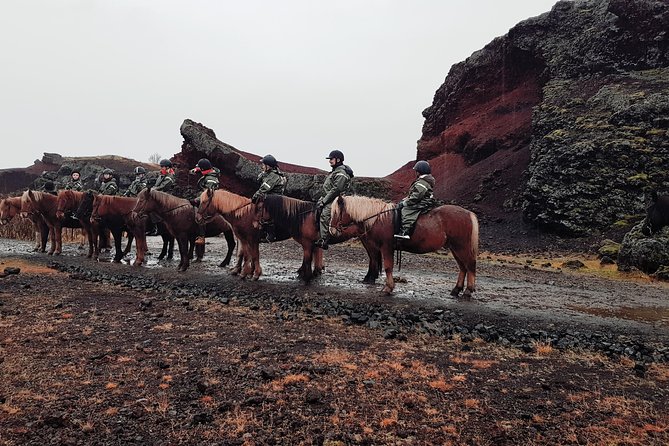
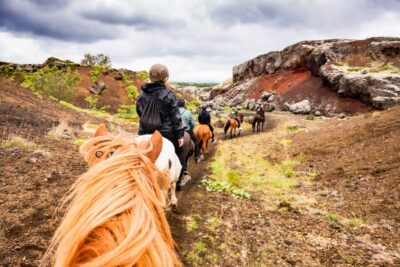
The route enters the Heiðmörk Nature Reserve, where the focus is the volcanic ground rather than grand mountain views. You ride among lava hills formed by a volcano about 5,000 years ago, with moss and red rock giving the area its unusual color.
This is a good setting for horseback riding because you experience the ground at a slow, close level. From the saddle, you notice the uneven lava shapes, the texture of the paths, and the way the horse steps across the terrain. The scenery is not polished or arranged for sightseeing. It feels like a working riding area shaped by Iceland’s geology.
The exact route depends on the group. Beginners generally follow a beautiful, smooth path along the Redhills. More experienced riders may take a route near Rauðavatn, if the conditions and group ability make that suitable.
That adjustment is one of the tour’s practical strengths. A mixed group does not have to follow one fixed pace. Guides can keep the less experienced riders on a gentler path while allowing confident riders more opportunity to enjoy the horse’s movement.
You should not expect a long-distance expedition. The ride is about 5 to 7 kilometers, and the central appeal is the setting and the connection with the horse, not covering a huge amount of ground. For a first ride, or for a half-day activity during a Reykjavik visit, the length is about right.
Rauðavatn and Hólmsheiði on horseback
Rauðavatn adds a different layer to the ride. It is associated with the first steps of forestry in Iceland at the beginning of the 20th century, an interesting detail in a country better known for open volcanic spaces than for trees.
The tour then centers on Hólmsheiði, the area used for the main ride. The natural paths offer enough variety to keep the outing interesting without making it an extreme riding challenge. You may travel along the Redhills or take the Rauðavatn route, depending on ability and weather.
The guides continue to give instructions on the trail. That is important for first-time riders, since the challenge is not just sitting on a horse. You may need help with balance on slopes, rein position, speed, and how to respond when the horse changes pace.
The ride is designed for both beginners and experienced riders. A cautious beginner can remain at a walk, and the staff can accommodate riders who do not want to trot. More confident riders may get a chance to experience the tölt, the distinctive gait associated with Icelandic horses.
The tölt is often the highlight for riders who already have experience. It can feel smoother than a standard trot, though your comfort will depend on the horse, your balance, and the pace chosen by the guide. Do not feel pressured to try it. A steady walk through lava fields is still a complete experience.
The guides also take photographs at the red lava rocks, using riders’ phones. This is a useful touch because it gives you a chance to keep both hands available while riding. The photos are taken at scenic points rather than turning the outing into a formal photo session.
Same island, a completely different kind of day:
- Reykjavik: Golden Circle Full-Day Tour with Kerid Crater
★ 4.8 · 24,485 reviews - Reykjavik Food Walk – Local Foodie Adventure in Iceland
★ 5.0 · 18,952 reviews - Iceland: Northern Lights Bus Tour from Reykjavik
★ 4.1 · 11,161 reviews - Reykjavík: South Coast Waterfalls, Black Sand & Glacier Tour
★ 4.8 · 11,030 reviews
The Icelandic horse makes the difference
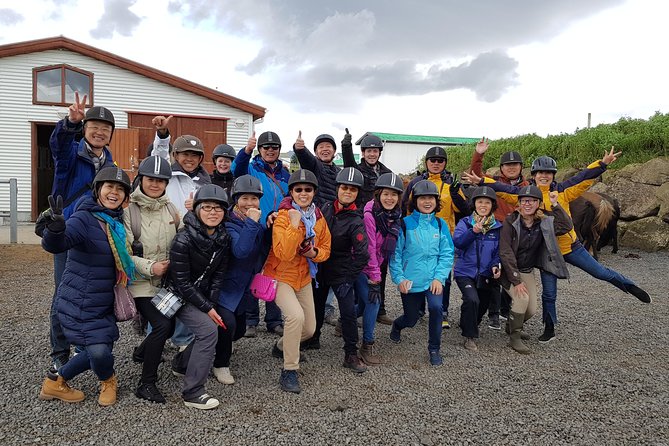
The horses are calm and generally easy for beginners, but they are not machines. They have individual personalities, and some can be more spirited than others. One rider described being paired with a feisty horse that was also responsive, while another found the horses gentle and mellow throughout the ride.
That range is worth understanding before you book. You are taking part in a real riding activity, not sitting on a guided vehicle. The horse may react to another horse, footing, weather, or the group around it. The guides monitor the animals and riders, but you still need to listen closely and follow directions.
The stable’s horse matching helps reduce problems. Staff know the horses and can select a better fit for a nervous beginner or someone with more experience. Tell them clearly if you have never ridden, if you feel anxious, or if you want to remain at a walk.
Riders with balance concerns should be cautious. One rider found the English saddle less secure than expected, comparing the balance to sitting on a round object. If you have limited balance or joint problems, speak up before mounting and avoid any faster gait unless you feel fully comfortable.
The tour can work for a wide age range. It has suited families with different riding abilities, and one older rider with a knee replacement was able to return to the starting point and sit out when the saddle did not feel secure. That flexibility is reassuring, though you should assess your own mobility before booking.
The stated maximum weight is 110 kilograms. Most people can participate, but the activity still requires you to mount, sit securely, and follow basic riding instructions.
Weather, footing, and the right season
Weather is the biggest variable in this activity. Riders have encountered rain, sleet, sun, rainbows, strong wind, and snow. The stable supplies weather gear, but you should still plan for cold hands, wet clothing, and changing conditions.
Winter clothing is especially useful. Put on the provided overalls rather than assuming your regular coat will be enough. Waterproof trousers can matter as much as a jacket, since the saddle area and your legs are exposed to rain for much of the ride.
The most important caution concerns icy trails. A late-October ride with snow and ice made the footing difficult for several horses and created a stressful experience for one rider. The staff continued the ride, but the conditions reduced confidence and made the route feel unsafe to that person.
This does not mean you should avoid colder months entirely. It means you should consider the forecast, recent precipitation, and your own comfort with uncertain footing. If the weather becomes poor enough, the operator may cancel and offer another date or a full refund.
Good socks and gloves are small items, but they make a real difference. You may also want a warm layer under the supplied gear. Hot drinks such as tea and coffee are available afterward, which helps, but it is better to stay warm during the ride than rely on the cup at the end.
Pickup, timing, and the two departure choices
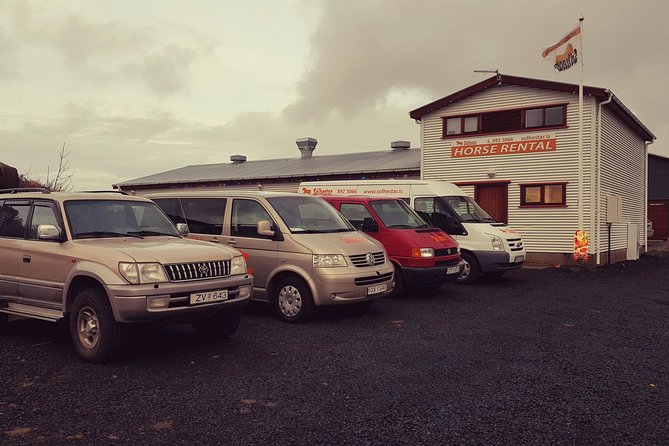
You can meet at Solhestar, or upgrade for pickup from a Reykjavik hotel, guesthouse, or the BSI Bus Terminal. Pickup begins 30 minutes before the riding time and can take up to 20 minutes, so you need to be ready early.
The morning pickup begins at 9:00 for a 9:30 tour. The afternoon pickup begins at 13:00 for a 13:30 tour. The morning option leaves the rest of the day open for museums, food, or another excursion. The afternoon departure may suit you better if you want a slow start after arriving in Reykjavik.
Read your voucher carefully for the pickup point. If you are not at the pickup location within five minutes after pickup begins, your booking may be canceled. Give the operator a phone number that works in Iceland in case the driver needs to reach you at the last minute.
The tour ends back at the meeting point. If you use pickup, the return arrangement is part of the transfer service, but you should still check your voucher for the exact details.
Is the $139.13 price good value?
At $139.13 per person, this is not the cheapest short activity in Reykjavik. The value comes from what is included in the experience: horse matching, riding equipment, guide support, access to trails in the lava country, and optional pickup.
You get about 2.5 hours in total, with 1.5 to 2 hours actually riding. That is a solid amount of saddle time for a beginner-friendly outing. A shorter ride could feel rushed once you add changing, mounting, and instructions.
The price makes more sense if you want an activity that combines nature, local animals, and a manageable time commitment. It is less compelling if your main goal is an intense riding session with long periods of fast movement. The group format and mixed ability levels mean the pace is adjusted for the people present.
I also see value in the gear provision. Buying or packing specialized waterproof riding clothing for one Iceland trip would be inconvenient. Having overalls and rainwear available reduces the amount you need to bring, though you still need warm socks and gloves.
Pickup adds convenience, particularly if you do not have a rental car or want to avoid working out transport. Since the stable is close to Reykjavik, the transfer is short, but door-to-door service saves planning time.
Who should book the Red Lava ride?
This is a strong choice if you are new to riding and want a guided introduction to Icelandic horses. The staff give instructions before and during the ride, and the route can be adapted to beginners.
It also suits experienced riders who want to try the tölt and ride on natural paths rather than spend the session in a basic paddock. Just keep in mind that the group’s overall ability affects the route and speed.
Families may find the flexible pace useful. Riders who want to remain at a walk can do so, while more confident members may get more movement when appropriate. The activity is also a good fit for a short Reykjavik stay because it does not consume a full day.
I would think twice if you dislike cold, wind, wet clothing, or uncertain ground. I would also be careful if you have serious balance issues, knee problems, or little confidence mounting a horse. The staff can help, but they cannot remove the physical demands of riding.
Should you book it?
Book this tour if you want a friendly, practical introduction to Icelandic horses without leaving Reykjavik for a full day. The red lava hills, small groups, supplied clothing, and chance to try the tölt make it more than a simple pony ride.
Choose a dry, stable-weather day if you can, and use every piece of rain and winter gear offered. Tell the staff your true riding ability, accept a slower route if conditions call for it, and treat the tölt as an option rather than a requirement.
Skip it if you are seeking a fast, rugged trek or if icy footing would make you nervous. For most first-time riders and casual equestrians, though, this is a well-sized Iceland activity with real scenery, gentle support, and enough time in the saddle to feel worthwhile.
FAQ
How long does the Red Lava Horse Riding Tour take?
The full activity takes about 2 hours and 30 minutes. You spend approximately 1.5 to 2 hours riding, with about 30 minutes at the stable for clothing, horse matching, mounting, and preparation.
Where does the tour start and finish?
The meeting point is Solhestar Horse Rental Reykjavik at Surtlugata 19, 110 Reykjavík. The activity ends back at the meeting point.
Is hotel pickup available?
Yes. Pickup is offered from Reykjavik hotels, guesthouses, and the BSI Bus Terminal. Pickup begins 30 minutes before departure and can take up to 20 minutes, so check your voucher for the exact instructions.
Can a beginner join this horse ride?
Yes. The tour is adapted to all riding levels, including beginners. The route can be adjusted based on the group’s experience, and guides provide help before and during the ride.
What is the maximum group size and rider weight?
The tour allows a maximum of 15 participants. The stated maximum rider weight is 110 kilograms.
What happens if the weather is too poor for the tour?
The experience requires good weather. If the operator cancels because of poor conditions, you can choose another date or receive a full refund. You can also cancel for a full refund if you do so at least 24 hours before the start time.
Just added around Reykjavik
- Reykjavik: Whale and Puffin Watching RIB Boat Tour★ 4.6 · 179 reviews
- Reykjavik: Whale Watching Express★ 4.3 · 227 reviews
- Reykjavik: Whale Watching & Lava Show★ 5.0 · 4 reviews
- Reykjavik: Whale & Marine Adventure Tour★ 4.3 · 71 reviews
- From Reykjavík: Viking Horseback Tour in Hafnarfjörður★ 4.9 · 112 reviews
- Reykjavík: Horse Riding Tours★ 4.9 · 127 reviews
- Luxury Private Transfer from Reykjavik to Keflavik Airport★ 5.0 · 9 reviews
- Winter South Coast Day Tour by Minibus from Reykjavik★ 5.0 · 109 reviews
Horses, compared.
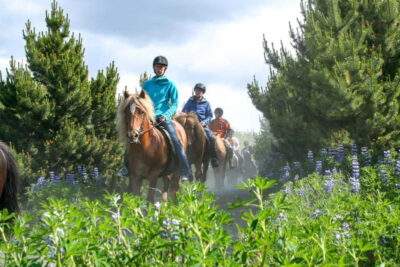
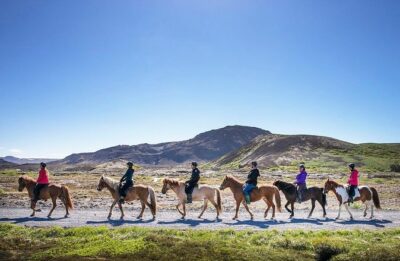
Icelandic Horseback Riding Tour with Pickup Option from Reykjavik
Read our review →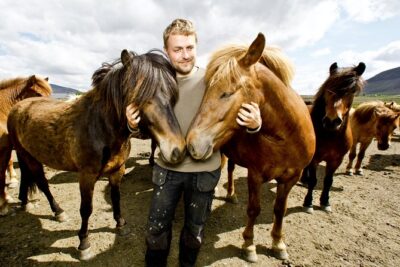
Icelandic Horseback Riding Tour Including Pick Up from Reykjavik
Read our review →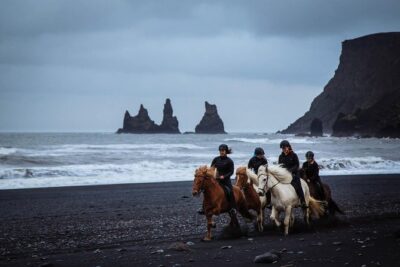
Golden Circle, Fridheimar Farm & Horses Small Group Tour from Reykjavik
Read our review →
Small-Group Horse Volcano Riding Tour with Pickup
Read our review →
Silver Circle: Lava Cave, Waterfalls & Iceland Horses-Small Group
Read our review →Browse the lists this tour appears in