
Reviewed · SNAEFELLSNES PENINSULA TOURS
Reykjavik: Small-Group Snæfellsnes Day Trip
Snæfellsnes earns its nickname Iceland in miniature honestly. In one long day, you get a glacier-capped volcano, seal beach, mossy cliffs, black sand, basalt pillars, a historic church, and Kirkjufell, one of Iceland’s most photographed mountains. I especially like the mix of famous sights and quieter stops, plus the way guides such as Bart, Thor, Mika, and Dominika add local stories to the long drive.
The small group, capped at 19 people, makes a real difference at windy viewpoints and narrow paths. I also like the flexible guiding: on bad-weather days, guides have rearranged the order or added short stops. The tradeoff is time. Reaching the peninsula can take 1.5 to 2 hours, and the full trip lasts 11 hours, so this is a scenic road day rather than a relaxed outing.
Key points to know before booking
- A full sampler of western Iceland: Snæfellsnes brings together volcanoes, glaciers, beaches, cliffs, seals, and mountain views in one outing.
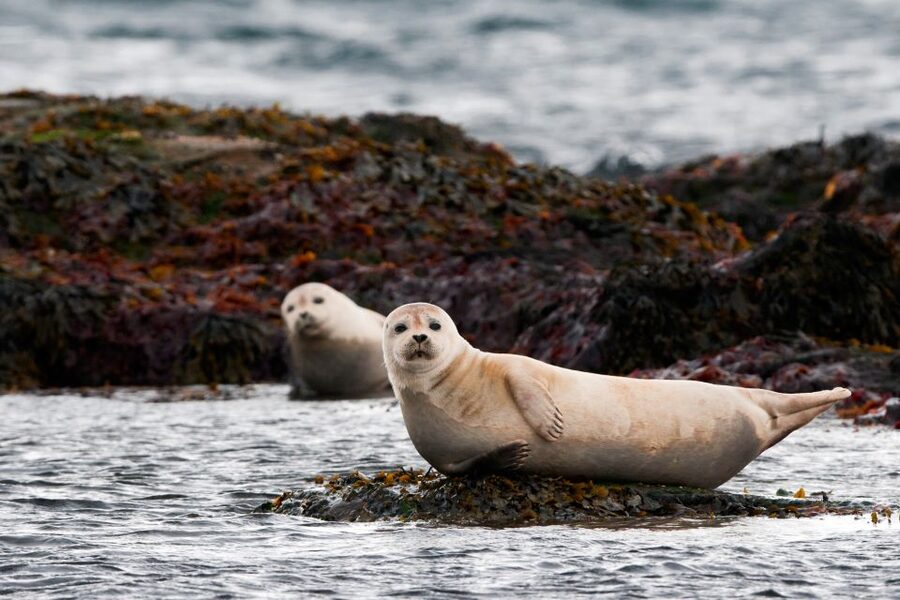
- Ytri-Tunga is your best wildlife stop: The beach is known for its seal colony, though animals are never guaranteed to appear close by.
- Djúpalónssandur adds a hands-on moment: You can try the historic lifting stones, including the 154-kilogram Full-Strength stone.
- Weather can change the day: Wind, rain, snow, and slippery paths are part of the experience, and the itinerary may be adjusted for safety.
- Kirkjufell provides the classic finish: The pointed mountain and nearby streams create one of Iceland’s easiest photo opportunities.
- Bring food, footwear, and patience: Meals are not included, facilities can be spaced out, and much of the day is spent on the road.
Why Snæfellsnes makes such a good day trip
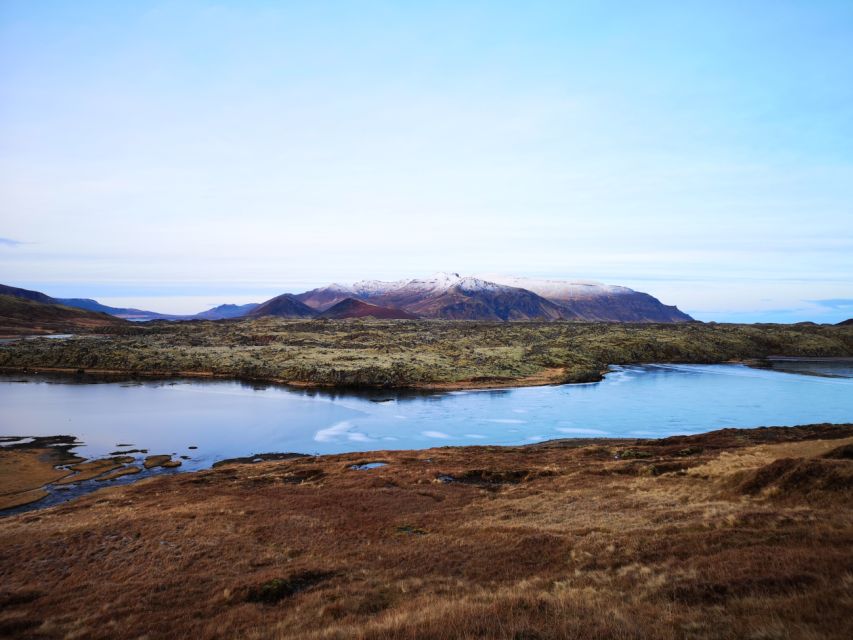
The Snæfellsnes Peninsula sits west of Reykjavik and packs an unusual range of scenery into a fairly compact area. The centerpiece is Snæfellsjökull, a volcano topped by a glacier. On a clear day, you may see its snow-covered summit from Reykjavik before the bus even reaches the peninsula.
That variety is the main reason to choose this trip. The Golden Circle has bigger name recognition, and the South Coast offers dramatic waterfalls and glacier views, but Snæfellsnes gives you a broader sample of Iceland’s coastal character. You move from farm country to ocean cliffs, from black sand to mountain peaks, with stories about volcanoes, fishing, culture, and local life along the way.
I would set aside the whole day for it. Pickup takes place between 8:30 and 9:00 in the morning, with return to Reykjavik planned for later in the evening. The bus has free Wi-Fi, and the small-group format is more personal than a large coach tour, but you still need to be comfortable with a long ride.
More Snaefellsnes Peninsula Tours in Reykjavik:
- Reykjavik: Snæfellsnes Day Trip with Vatnshellir Lava Cave
★ 4.7 · 1,108 reviews - Snaefellsnes Peninsula Full Day Tour from Reykjavik
★ 4.5 · 1,036 reviews - Reykjavik: Snaefellsnes & Mt. Kirkjufell Guided Minibus Tour
★ 4.8 · 757 reviews
Ytri-Tunga and the seal beach
The first major stop is the farm area of Ytri-Tunga, where a nearby beach is home to a seal colony. The appeal here is simple: instead of only looking at rocks and mountains, you get a chance to watch wildlife resting on the shore or moving through the surf.
Seals can be playful, sleepy, or difficult to spot, so keep your expectations sensible. You may see their faces in the water or find them sunning themselves on the beach, but nature does not run on the tour schedule. Bring binoculars if you have them, though the stop is worthwhile even without special equipment.
Ytri-Tunga also gives the day a more human setting. The farm, open shore, and broad views help you see how Iceland’s countryside works beyond the major photo stops. I like this early pause because it breaks up the drive and gives you something different from the volcanic scenery ahead.
Arnarstapi and Hellnar by the sea
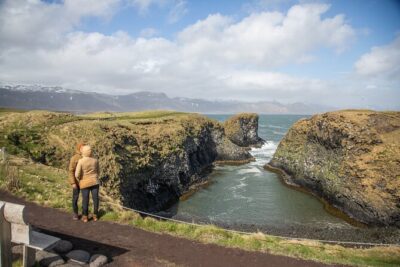
The coastal area around Arnarstapi and Hellnar is one of the most enjoyable walking sections of the day. Natural rock formations line the shore, and green and yellow moss adds color to the dark stone. The sea air is sharp, especially when wind comes in from the Atlantic.
You get time to stroll along the cliffs and look down toward the water. This is not a flat indoor attraction. Paths can be uneven, wet, or slippery, and high winds may make you choose shorter walks. Wear sturdy shoes with good grip, and take care near cliff edges.
The value of this stop is its scale. From the bus, the coast is impressive. On foot, you notice smaller details: birds circling the cliffs, water cutting into the rock, and moss softening the black volcanic surface. Guides often walk with the group and point out details you might otherwise miss. Mika, Alfred, Thor, and several other guides have been praised for mixing information with a relaxed pace, but the exact guide is assigned on the day.
Lóndrangar’s black basalt pillars
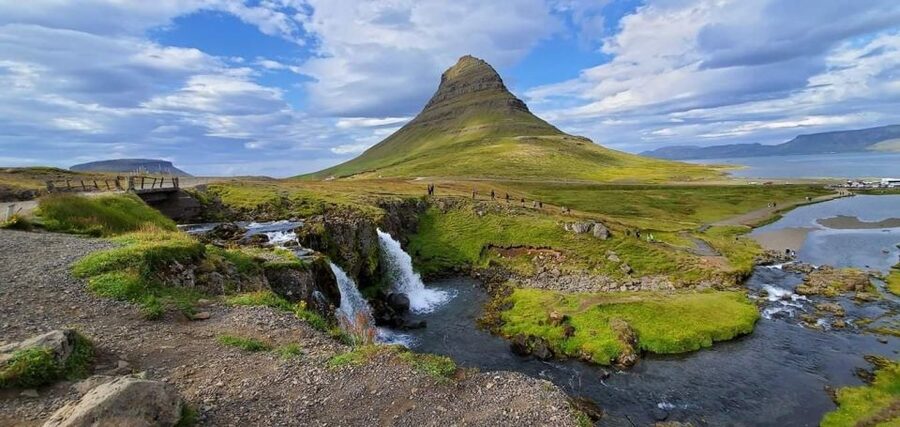
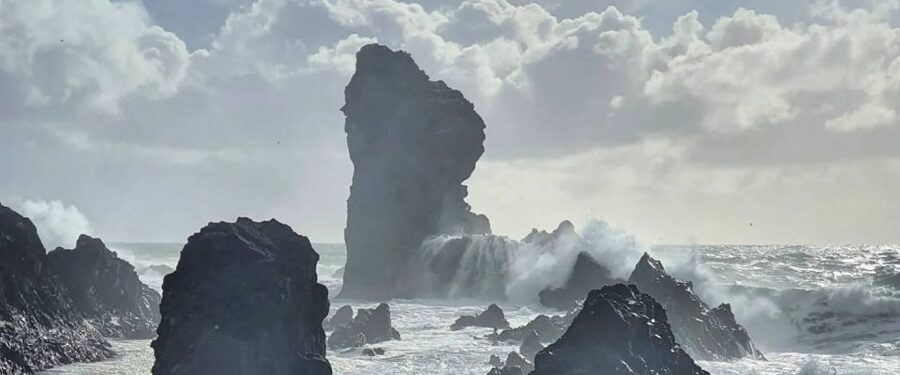
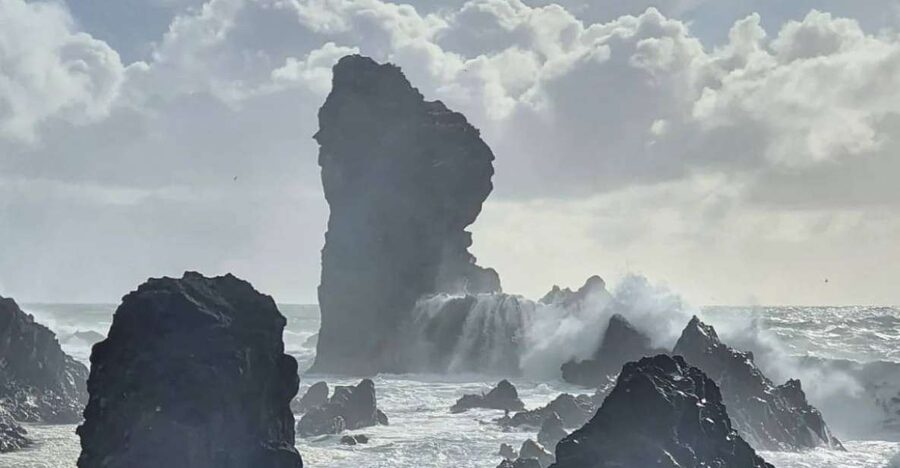
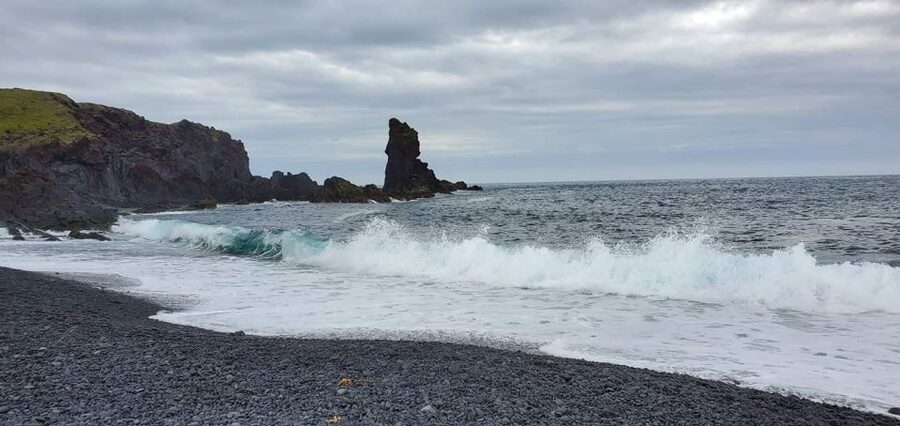
Near the coast, the two tall basalt pillars of Lóndrangar rise from the sea. They are visible from the road and make a quick but memorable stop. The formations are a reminder that Iceland’s dramatic shapes were built by volcanic activity and then cut by wind and waves.
Lóndrangar may not require a long visit, but it works well as part of the larger sequence. After seeing mossy harbor cliffs, you get a more severe volcanic form. The contrast keeps the scenery from feeling repetitive.
This is also where weather matters most. On a calm, clear day, you can take in the pillars and surrounding cliffs at leisure. In rain and strong wind, you may spend less time outside and rely more on the guide’s explanation from a protected spot or the bus.
A few more Reykjavik trips to weigh up
- Golden Circle and Glacier Snowmobiling Day Trip from Reykjavik
★ 4.5 · 1,328 reviews - Golden Circle Day Trip with Fridheimar Greenhouse visit from Reykjavik
★ 5.0 · 1,160 reviews - Silfra: Half-Day Snorkeling Day Trip with Underwater Photos
★ 4.8 · 1,155 reviews - From Reykjavik: Glacier Hike, South Coast and Waterfalls Day Trip
★ 5.0 · 915 reviews
Djúpalónssandur and the lifting stones
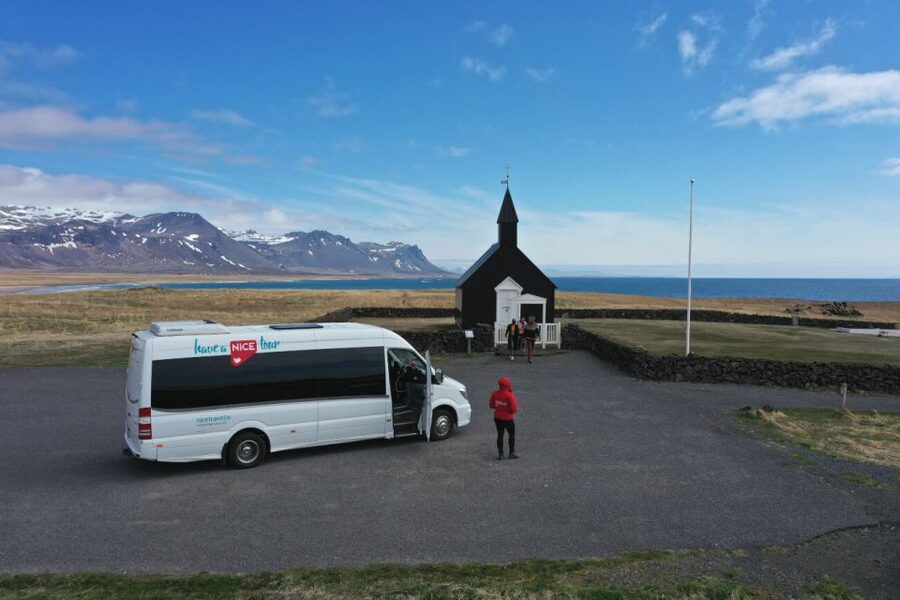
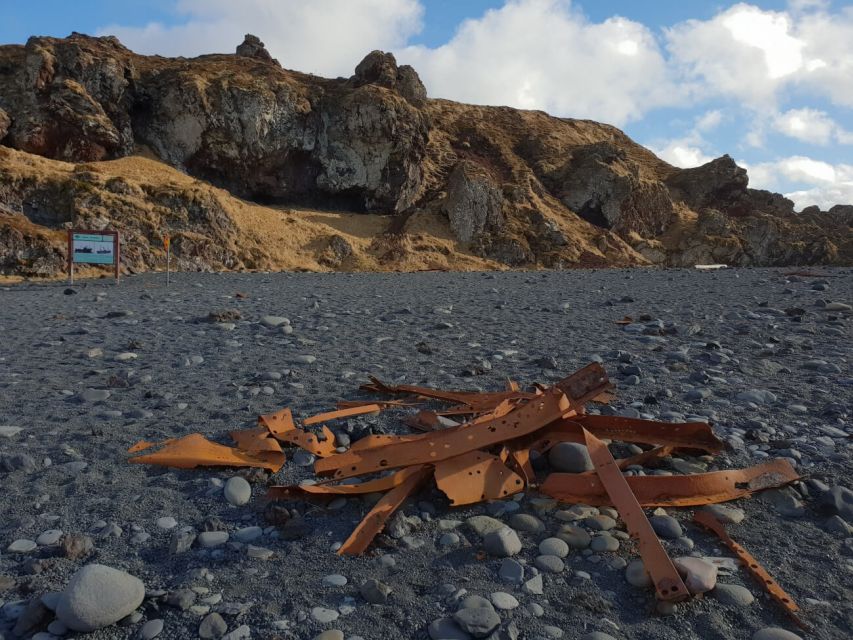
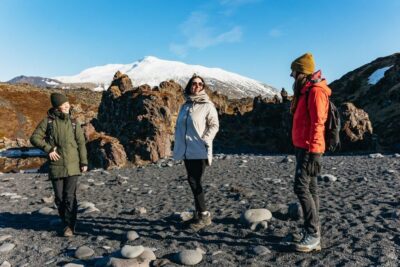
Djúpalónssandur is one of the day’s strongest stops. The beach is made of smooth black stones, and the sound of surf and seabirds gives it a wild, exposed feel. Cliffs rise around the shore, creating a setting that feels far removed from Reykjavik.
The beach is also tied to the old fishing life of the coast. Four smooth stones, known as lifting stones, were used to test the strength of fishermen. Their names and weights provide a glimpse of the practical, competitive culture that once surrounded the local fishing stations.
The stones are:
- Fullsterkur, or Full-Strength: 154 kilograms, or 340 pounds
- Hálfsterkur, or Half-Strength: 100 kilograms, or 220 pounds
- Hálfdrættingur, or Weakling: 54 kilograms, or 119 pounds
- Amlóði, or Useless: 23 kilograms, or 50 pounds
You can test yourself if you wish, but do not treat the largest stone like a gym exercise. The instructions say to lift with your knees rather than your back. Even the 50-pound stone can be awkward on uneven ground, so use care and listen to your guide.
The beach path can become slick in winter. One visitor specifically advised bringing crampons for unexpected icy patches, and that is sensible advice when temperatures are low. Sturdy footwear is useful year-round, especially in rain or wind.
Ingjaldshólskirkja, the Red Church on the hill
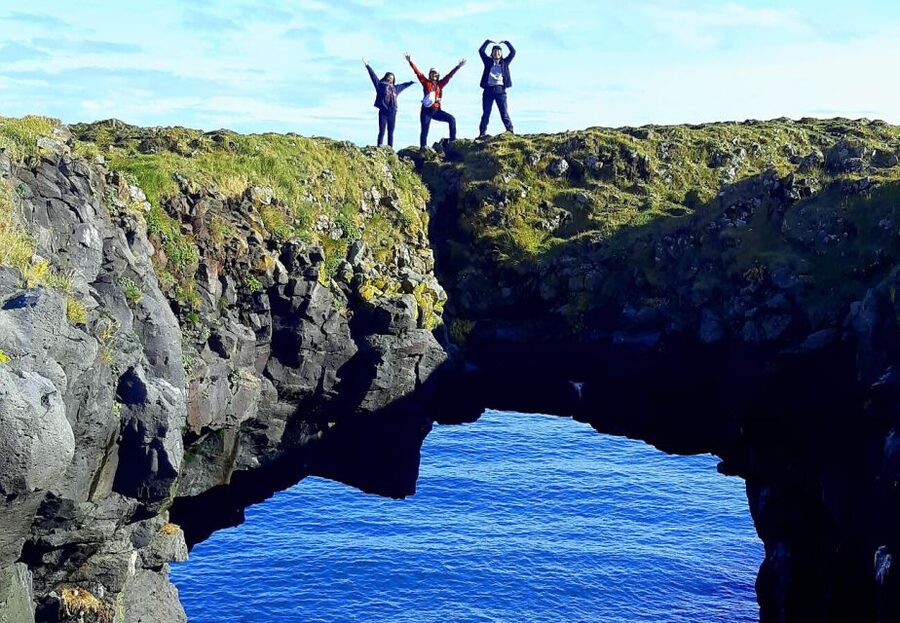
Ingjaldshólskirkja is a quieter stop than Djúpalónssandur or Kirkjufell. Built in 1903, the church sits on a hill between Hellissandur and Rif, with wide views across the peninsula. Its simple form and bold colors make it easy to recognize against the open scenery.
The church is linked to the long-held story that Christopher Columbus stayed in the area during the 1470s. The story is part of the local lore surrounding the building and adds a human thread to a day otherwise dominated by geology and wildlife.
This stop will appeal most if you enjoy small cultural sites and peaceful views. If you want constant drama, it may feel slow. One four-star assessment found 40 minutes at the church longer than necessary because the building itself is small. That is a fair warning: the stop is more about the setting, the story, and a pause from the road than about a lengthy interior visit.
Kirkjufell and the classic Iceland photo
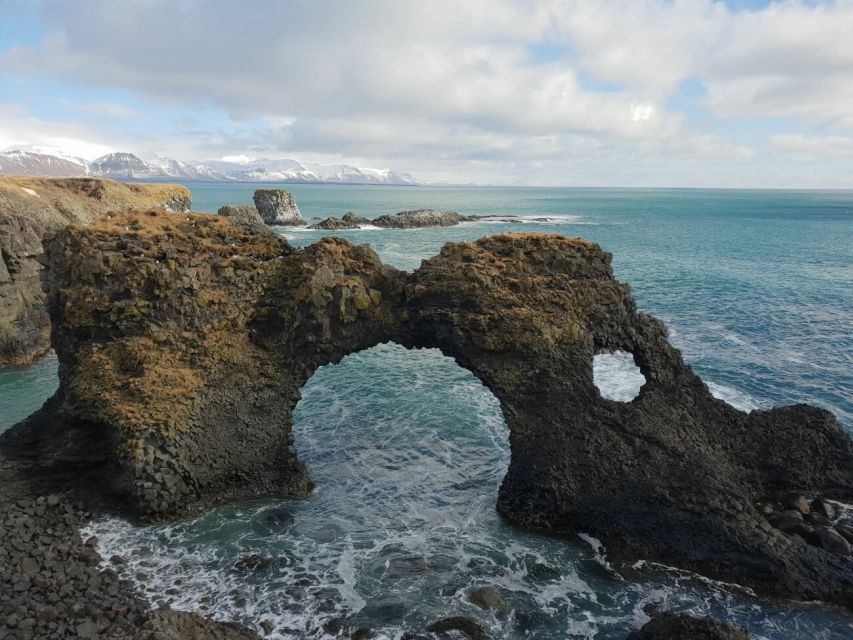
The final major stop is Kirkjufell Mountain. It rises from green hills near trickling streams and is one of the most recognizable sights in Iceland. Its shape is distinctive enough to identify in photographs, yet seeing it in person gives you a better sense of how it fits into the surrounding land.
This is the stop for your classic Iceland picture. Look for the mountain with the streams and nearby falls in the same frame, then allow yourself time to enjoy the view without turning the whole visit into a photo mission.
Kirkjufell is popular, so it may feel busier than some of the earlier coastal stops. That popularity is understandable, but it also means the experience depends on timing and weather. In mist or cloud, the mountain can look moody and atmospheric. In clear weather, its sharp profile and surrounding green ground are especially striking.
The guide can shape the whole day
An 11-hour bus trip needs a good guide. The strongest part of this experience is the human element: guides explain Icelandic history and geology, answer questions, help with photographs, and adjust the plan when conditions change.
Names that have received especially warm praise include Bart, Thor, Mika, Alfred, Christina, Henrik, Dominika, and Baldur. Thor is known for an energetic style, while Bart has been appreciated for balancing information with quiet time to take in the views. Dominika has been noted for making people feel comfortable and giving the group enough time at each stop.
You may also get a guide with a more theatrical touch. One past guide was praised for singing, another for playing music on the drive, and several for adding extra viewpoints when time and weather allowed. That variety is part of the nature of a guided group trip. The guide assigned to you will shape the tone, but the core route remains the same.
There is one important caveat. A single four-star account described uncomfortable political comments from a guide. That is not the general pattern in the feedback, which is heavily positive, but it is worth acknowledging when judging any tour company. Most comments focus on friendly service, good timing, clear explanations, and helpful adjustments.
Transport, timing, and comfort
Pickup is included from the Reykjavik area. Due to local regulations, you may be collected at your hotel or directed to the nearest approved bus stop. Confirmation of the exact pickup point is sent within 24 hours of booking, and collection generally takes place between 8:30 and 9:00.
A group of no more than 19 people is a useful middle ground. You avoid the feel of a huge coach, while still getting the convenience of organized transport and a guide. The bus also offers free Wi-Fi, though the scenery outside is the better reason to keep looking up.
The main drawback is road time. The drive to the first substantial stop near Borganes can take roughly 1.5 to 2 hours, and the peninsula is too large for a short outing. You should expect a rhythm of driving, walking, photographing, and getting back on the bus.
Food is not included. Some accounts describe bathroom, coffee, and food opportunities along the way, but facilities are not available at every scenic stop. Bring water and food for the day, and use restrooms when your guide points them out.
Price and overall value at $163
At $163 per person, this is not the cheapest way to see Snæfellsnes. A rental car may cost less for a couple or small group, especially if you are happy navigating Icelandic roads and building your own schedule.
The tour earns its price through convenience and guidance. You do not need to drive for 11 hours, watch the road in poor weather, or research each volcanic formation and historic site yourself. Pickup, drop-off, an English-speaking guide, transportation, and a carefully planned route are included.
The value improves if you are visiting Iceland for only a few days. You see many different types of scenery in one outing, rather than spending separate days arranging coastal walks, wildlife viewing, and mountain stops. The small group also gives you more personal attention than a standard large coach.
I would not choose it if you dislike long drives or want extended hikes. The route offers walks at several locations, but it is primarily a sightseeing circuit. For a first Iceland visit, though, the range of sights makes the cost reasonable.
Weather, clothing, and physical demands
Icelandic weather can turn a beautiful route into a demanding day. Rain, snow, strong winds, and slippery paths have all affected this trip, and guides may rearrange the order or offer safer alternatives. One particularly rough day involved heavy rain and winds near 50 miles per hour, yet the group still reached the planned sights by changing the schedule.
Pack waterproof outer layers, warm clothing, gloves, and a hat. Sturdy walking shoes are essential. In winter, light traction such as crampons can help on icy patches, particularly around black beaches and cliff paths.
You need enough agility to manage uneven and sometimes slippery ground. If you have a motion disability, this may not be the right outing, since several viewpoints require walking outdoors over natural surfaces. The tour is not a technical hike, but it is also not fully accessible sightseeing from the bus.
The scenery can be excellent in every season. Winter brings snow and a harsher mood, while summer offers better conditions for longer walks and a greater chance of seeing the peninsula in clear light. A clear-sky day can reveal snowcapped peaks, waterfalls, and open coastal views, but you should book with the understanding that weather is part of the deal.
Who should book this Snæfellsnes trip?
I would choose this tour if you want to see a wide range of Icelandic scenery without renting a car. It suits first-time visitors, photographers, couples, solo visitors, and anyone who prefers a guide to explain the geology and local stories along the way.
It is also a strong choice if you have already visited the Golden Circle and want a quieter alternative to Iceland’s most heavily visited route. The peninsula feels more spread out and less crowded in places, with time for coastal air and small historic stops.
I would hesitate if your priority is glacier hiking, long walks, or a slow day in one village. You will spend many hours on the bus, and the itinerary is packed. The church may feel too minor for some people, while others will appreciate the calm pause and local connection.
The cancellation policy allows a full refund when you cancel at least 24 hours ahead, and you can reserve now and pay later. Those terms help if your Iceland plans depend on weather, but do not mistake flexibility for a promise of clear skies.
Should you book it?
Book this Snæfellsnes day trip if you want the biggest range of scenery for one day and prefer someone else to handle the driving. Ytri-Tunga, Djúpalónssandur, and Kirkjufell are the strongest reasons to go, while the guide’s stories and weather decisions can turn a long road day into a rewarding one.
Skip it if you want a short, easy outing or a dedicated hiking tour. At $163, the value depends on using the whole day: bring food, wear serious outdoor shoes, accept the long drive, and allow the weather to set the pace. For many Iceland itineraries, it is a sensible way to see the western coast without the work of planning it yourself.
FAQ
How long is the Snæfellsnes day trip?
The tour lasts 11 hours, including pickup from Reykjavik and return to the city.
What time does pickup take place?
Pickup takes place between 8:30 AM and 9:00 AM. You may be collected at your hotel or directed to the nearest approved Reykjavik bus stop.
Is transportation included?
Yes. Transportation from the Reykjavik area, return drop-off, an English-speaking guide, and free Wi-Fi on the bus are included.
Is food included?
No. Meals are not included, so bring food and water. Food, coffee, and restroom opportunities may be available during the day, but facilities are not located at every stop.
What places does the tour visit?
The route includes Ytri-Tunga, Arnarstapi and Hellnar, Lóndrangar, Djúpalónssandur, Ingjaldshólskirkja, and Kirkjufell Mountain. You may also see Snæfellsjökull Volcano during the journey.
Can I see seals at Ytri-Tunga?
Ytri-Tunga is known for its seal colony, and you may see seals resting on the beach or playing in the water. Wildlife sightings and viewing distances cannot be guaranteed.
Is the tour suitable in winter?
The tour operates in winter, but conditions can include snow, ice, rain, and strong winds. Wear sturdy footwear, and consider crampons for icy paths. Guides may change the order of stops when weather affects safety.
Just added around Reykjavik
- Reykjavik: Whale and Puffin Watching RIB Boat Tour★ 4.6 · 179 reviews
- Reykjavik: Whale Watching Express★ 4.3 · 227 reviews
- Reykjavik: Whale Watching & Lava Show★ 5.0 · 4 reviews
- Reykjavik: Whale & Marine Adventure Tour★ 4.3 · 71 reviews
- From Reykjavík: Viking Horseback Tour in Hafnarfjörður★ 4.9 · 112 reviews
- Reykjavík: Horse Riding Tours★ 4.9 · 127 reviews
- Luxury Private Transfer from Reykjavik to Keflavik Airport★ 5.0 · 9 reviews
- Winter South Coast Day Tour by Minibus from Reykjavik★ 5.0 · 109 reviews
Snaefellsnes Peninsula Tours, compared.
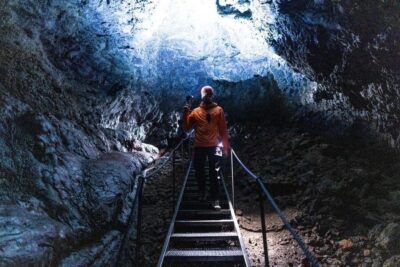
Snæfellsnes Day Trip with Vatnshellir Lava Cave
Read our review →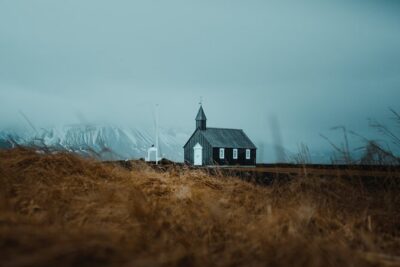
Snaefellsnes Peninsula Full Day Tour from Reykjavik
Read our review →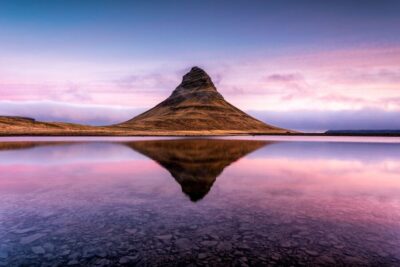
Snaefellsnes & Mt. Kirkjufell Guided Minibus Tour
Read our review →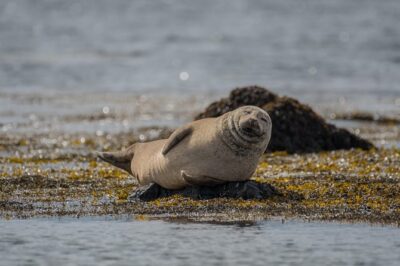
Snaefellsnes Small Group Tour with Homemade Meal from Reykjavik
Read our review →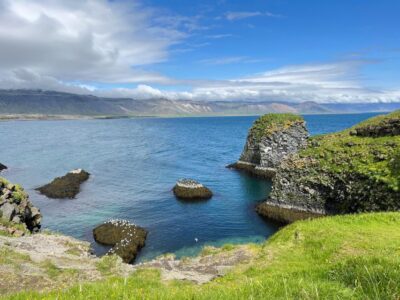
Snaefellsnes & Kirkjufell Small Group Day Tour
Read our review →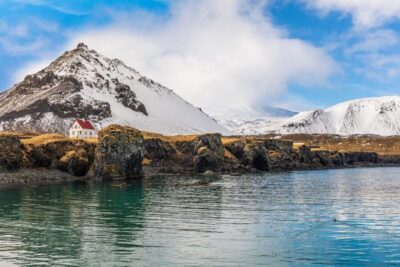
Snaefellsnes Peninsula and Kirkjufell Small-Group Tour
Read our review →Browse the lists this tour appears in