
Reviewed · FOOD & DRINK
Reykjavik Food Tour – Old Harbor Walking Tour
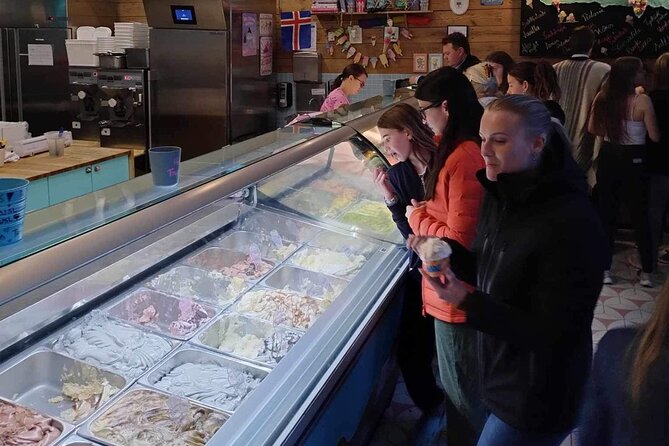
Reykjavik’s Old Harbor is more than a pretty waterfront. It is where Iceland’s fishing culture, modern food scene, museums, and working port come together. This three-hour walking tour lets you sample local foods and drinks at six or more eateries while learning how fish shaped Icelandic life.
I like the small maximum of eight people, which gives your guide room to answer questions and adjust the conversation to your interests. I also like the focus on food Icelanders eat today, not just famous shock foods such as fermented shark. The main consideration is the $123 price, which is fair only if you value several tastings, a private setting, and cultural context rather than a simple meal.
Key details at a glance

- Six or more tasting stops: You visit at least six restaurants or street food vendors, with one or two stops connected to each Old Harbor area visit.
- A modern view of Icelandic food: Expect more than traditional curiosities, with attention to how Icelandic eating has changed.
- Fishing shapes the story: The route links seafood, the economy, fish farming, sustainability, and whaling.
- A small private group: The maximum is eight people, and only your group takes part.
- A gentle walking route: One review describes the walking as limited, with the focus placed on moving between eateries and sights.
- A useful afternoon schedule: The listed start time is 3:00 pm, with the tour ending near the harbor.
Why the Old Harbor makes a good food route
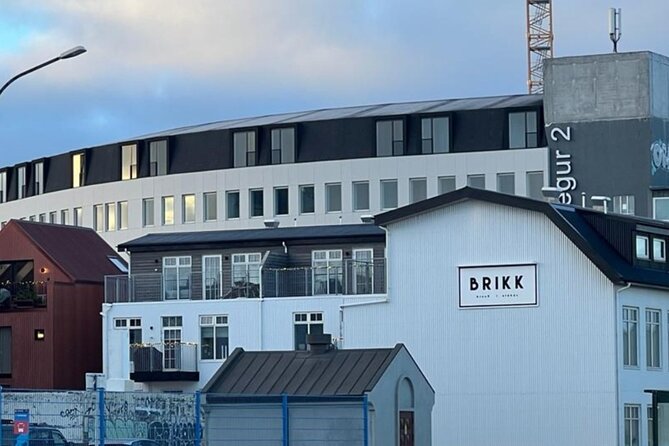
Icelandic food makes more sense when you see the setting that produced it. The Old Harbor district, known as Grandi, connects Reykjavik’s past as a fishing town with its present-day restaurants, museums, and food businesses.
This is not a tour built around sitting in one restaurant for three hours. You move between several places, taking smaller portions and drinks as you go. That format gives you a wider sample of Icelandic tastes and leaves room for questions between stops.
The route also puts food in context. Fish is not simply one item on a menu in Iceland. It has long affected work, trade, settlement, politics, and everyday meals. You hear about that connection while walking past the Saga Museum, Aurora Reykjavik, the Reykjavik Maritime Museum, and the Iceland Ocean Cluster.
I appreciate that the experience does not appear to treat Icelandic cuisine as a dare. The emphasis is on real Icelandic foods and the way local food has developed. You may still encounter unfamiliar flavors, but the point is to understand what people eat and why, not to collect the most extreme bite.
A few more Reykjavik trips to weigh up
- Reykjavik Food Walk – Local Foodie Adventure in Iceland
★ 5.0 · 18,952 reviews - Reykjavik Food Lovers Tour – Icelandic Traditional Food
★ 5.0 · 1,012 reviews - Reykjavik: Icelandic Food Tour
★ 4.7 · 407 reviews
Starting near the Saga Museum
The tour begins at Seljavegur 2 in Reykjavik. The first part takes place around Grandi, where you pass the Saga Museum and stop at one or two local eateries.
The Saga Museum itself is listed as a passing point rather than an included museum visit, so you should not expect an admission-based tour inside. Its presence helps frame the neighborhood and gives your guide a chance to connect Iceland’s settlement era and old stories with the food traditions that came later.
The first tasting is important because it sets the tone. You are not just waiting until the end for a large meal. Food appears along the way, which makes the tour feel more like a guided walk through the district than a standard restaurant crawl.
Because the exact menu is not specified, I would avoid booking this if you need a guaranteed list of dishes. The useful tradeoff is variety. You sample what the participating eateries provide rather than following a fixed meal in one place.
Aurora Reykjavik and the story around the tastings
The next area includes Aurora Reykjavik, the Northern Lights Center. Like the Saga Museum, this is a point of interest along the route, not an included admission stop. You continue learning about Iceland’s culture, past, and daily life while making another one or two food stops.
This section shows why a food walk can be more useful early in a trip than a restaurant reservation. You begin to hear the names, habits, and food ideas that may come up during the rest of your stay. You can then make better choices at markets and restaurants later.
The guide’s role matters here. Sabrina is specifically associated with the tour, and the strongest praise centers on her energy, warmth, and ability to connect food with Icelandic culture. You can expect the experience to benefit from a guide who enjoys conversation, rather than a simple handoff from one vendor to the next.
The private format should help if you have questions about ingredients, local customs, or the difference between old Icelandic foods and modern ones. With no more than eight people, you are less likely to lose the thread of the conversation in a large crowd.
Reykjavik Maritime Museum and Iceland’s seafood tradition
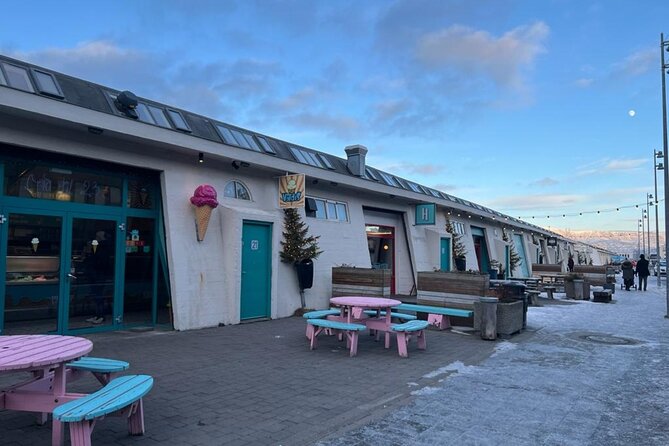
At the Reykjavik Maritime Museum, the tour turns more directly to fish. The museum is another landmark on the walking route, and the surrounding discussion explains why seafood became a staple of the Icelandic diet.
This is one of the most useful parts for anyone who wants more than a list of things to eat. Iceland’s climate and location shaped what was available, while fishing helped support communities and the national economy. Food here is tied to practical survival as much as taste.
You stop at another one or two eateries in this part of the route. Again, the exact foods are not promised, so you should think in terms of a broad local tasting rather than a set menu. The benefit is that you can try several small portions and compare them as the guide explains their place in Icelandic life.
One especially helpful point is the distinction between historic Icelandic foods and current eating habits. The tour is described as less focused on old challenge foods such as fermented shark and more focused on the evolution of Icelandic food. That makes it a better fit if you want cultural insight without treating the cuisine as a novelty act.
Same island, a completely different kind of day:
- Reykjavik: Golden Circle Full-Day Tour with Kerid Crater
★ 4.8 · 24,485 reviews - Iceland: Northern Lights Bus Tour from Reykjavik
★ 4.1 · 11,161 reviews - Reykjavík: South Coast Waterfalls, Black Sand & Glacier Tour
★ 4.8 · 11,030 reviews - Reykjavík: Whale Watching and Marine Life Cruise
★ 4.6 · 9,838 reviews
Iceland Ocean Cluster and present-day food questions
The final listed area is the Iceland Ocean Cluster. Here, the focus moves from the past to the current role of fishing in Iceland’s economy.
The conversation includes sustainability, fish farms, and whaling. Those subjects add some needed balance. A food tour can easily present fishing as a simple national success story, but these topics show that the industry also raises difficult questions about environmental responsibility, business, and resource use.
You make another one or two eating stops in this area. By the end, the food should feel connected to a larger picture: what Iceland produces, what it imports, how local businesses use seafood, and how people think about the future of the industry.
This part may appeal most to you if you like tours that explain current issues instead of stopping at old customs. It also gives the experience more substance than a series of unrelated tastings.
What the food format is really worth
The price is $123 per person. That is not cheap for three hours, especially if you are comparing it with buying a casual lunch on your own. The value comes from the combination of food, guiding, neighborhood orientation, and a private group capped at eight.
At least six eateries or street food vendors are included in the route. That matters because you are paying for range, not just volume. Small tastings at several places can show you more of Reykjavik’s food scene than one large plate, though you should not expect the tour to replace a full dinner.
I would consider the price reasonable for a first day or second day in Reykjavik if you want help understanding local food and deciding where to eat afterward. It is less compelling if your only goal is to eat as much as possible or if you already have a carefully planned food itinerary.
The tour’s strongest value is its interpretation. Sabrina and the other possible guides are there to explain the connection between the harbor, fishing, food, and modern Iceland. Without that context, you could walk through Grandi and see only restaurants and museums. With it, the district becomes easier to read.
Walking, timing, and group size
The experience lasts about three hours. The route includes several short walks between sights and food stops, but it is not presented as a strenuous hike. One detailed description calls the walking limited, which is useful if you want a food activity without a long march through the city.
The listed start time is 3:00 pm. That can work well with a relaxed morning, a museum visit, or a late lunch beforehand. Since you will be eating at several stops, you may want to avoid a large meal immediately before the tour.
The experience information also describes a choice of morning or afternoon tour, so check the available time when booking. The specific meeting information provided lists 3:00 pm, and confirmation arrives within 48 hours, subject to availability.
A group maximum of eight is a major practical advantage. It keeps the walking pace manageable and makes it easier to hear the guide. The activity is also described as private, meaning only your group participates. That is especially useful for families, couples, or friends who want to ask direct questions without keeping up with a large public group.
Where you finish and how to plan the rest of your day

The tour ends at Grandagarður 21, only about a three-minute walk from the starting point. That makes the logistics simple. You can leave your day open afterward for another harbor stop or return easily toward central Reykjavik.
The nearby sights are also useful before or after the tour. You pass the Saga Museum, Aurora Reykjavik, and the Reykjavik Maritime Museum, but admission to them is not included in the food walk. If one catches your interest, plan a separate visit rather than assuming the tour provides enough time to see the exhibits.
Because the route ends in the same general district where it begins, you do not need to arrange a complicated pickup. The meeting point is near public transportation, and most people can participate according to the provided information.
The mobile ticket is convenient for a walking activity. Still, keep the meeting address handy and allow enough time to reach Seljavegur 2. A food tour is not the place to arrive late, since the group may already be at its first tasting stop.
Who will enjoy this most
I would choose this tour for you if you want to understand Iceland through food rather than simply photograph the harbor. It suits first-time visitors, curious eaters, couples, and small groups who enjoy asking questions.
It is also a good match if you are unsure about Icelandic cuisine. The route gives you several chances to try local foods and drinks without committing to a full meal of one unfamiliar dish. The modern focus helps you see how Icelandic food has changed instead of reducing it to a few old specialties.
Families and mixed-interest groups may find the format useful because the stops are broken up by short walks and stories. The private setting also gives your group more control over the conversation.
I would hesitate if you want an exact dish-by-dish menu, a long formal meal, or a tour focused almost entirely on historical food. I would also think twice if $123 feels high for tastings, since the tour is about learning and variety as much as quantity.
Booking and cancellation points to know
The tour is generally booked about 34 days ahead, so planning early makes sense if your Reykjavik dates are fixed. Confirmation is sent within 48 hours, subject to availability.
You can cancel for a full refund up to 24 hours before the start time. Changes or cancellations inside that 24-hour window are not accepted for a refund. The cut-off uses local Iceland time.
Weather matters because this is a walking tour. If poor weather causes cancellation, you are offered another date or a full refund. The tour also requires a minimum number of participants, and if that minimum is not met, you are offered another date or experience, or a full refund.
Should you book the Old Harbor food tour?
Book it if you want a small, personal introduction to Reykjavik’s food culture, with several tastings and a clear connection to fishing and the harbor. The strongest reasons are the six or more food stops, the maximum group size of eight, and the chance to learn from guides such as Sabrina, who brings warmth and enthusiasm to the route.
Skip it if you need a guaranteed menu, a full dinner, or the lowest-cost way to sample Icelandic food. For the right audience, the $123 price buys more than bites. It gives you a useful way to understand what Iceland eats today and why the Old Harbor still matters.
FAQ
Where does the Reykjavik food tour begin?
The tour begins at Seljavegur 2, 101 Reykjavik, Iceland.
Where does the tour end?
It ends at Grandagarður 21, 101 Reykjavik, about a three-minute walk from the starting point.
How long does the tour last?
The tour lasts approximately three hours.
What time does the tour start?
The provided meeting information lists a 3:00 pm start time. The experience also indicates that morning or afternoon options may be available, so check the selected date.
How much does the tour cost?
The price is $123 per person.
How many food stops are included?
You visit at least six restaurants or street food vendors. The route includes one or two local eateries in each of the four listed areas.
Are drinks included?
The tour includes samples of Icelandic foods and drinks.
Is this a large group tour?
No. The maximum group size is eight people, and only your group participates.
Is admission to the museums included?
The Saga Museum, Aurora Reykjavik, and Reykjavik Maritime Museum are points of interest along the route. The provided details list no admission ticket cost for the stops, but they do not state that museum entry is included.
Can I cancel for a refund?
Yes. You can cancel at least 24 hours before the start time for a full refund. Cancellations or changes made less than 24 hours before the start time are not refunded.
More Walking Tours in Reykjavik
- Reykjavík Small group Walking Tour – by CityWalk
★ 5.0 · 5,076 reviews - Reykjavik: Guided Foodie Walking Tour with 6 Tastings
★ 4.9 · 1,645 reviews - Reykjavik Walking Tour – Walk with a Viking
★ 4.5 · 1,018 reviews - Reykjavik Folklore Walking Tour: Meet the Elves, Trolls & Ghosts of Iceland
★ 4.5 · 702 reviews
Just added around Reykjavik
- Reykjavik: Whale and Puffin Watching RIB Boat Tour★ 4.6 · 179 reviews
- Reykjavik: Whale Watching Express★ 4.3 · 227 reviews
- Reykjavik: Whale Watching & Lava Show★ 5.0 · 4 reviews
- Reykjavik: Whale & Marine Adventure Tour★ 4.3 · 71 reviews
- From Reykjavík: Viking Horseback Tour in Hafnarfjörður★ 4.9 · 112 reviews
- Reykjavík: Horse Riding Tours★ 4.9 · 127 reviews
- Luxury Private Transfer from Reykjavik to Keflavik Airport★ 5.0 · 9 reviews
- Winter South Coast Day Tour by Minibus from Reykjavik★ 5.0 · 109 reviews
Food & Drink, compared.

Reykjavik Food Walk – Local Foodie Adventure in Iceland
Read our review →
Reykjavik Food Lovers Tour – Icelandic Traditional Food
Read our review →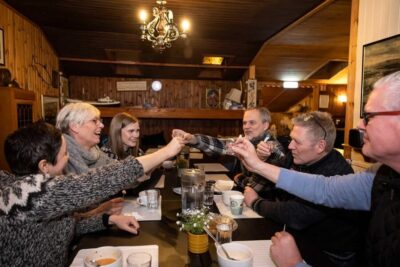


Reykjavik Food and Drink Adventure – Local Evening Experience
Read our review →


Browse the lists this tour appears in