
Reviewed · HORSES
From Reykjavík: Viking Horseback Tour in Hafnarfjörður
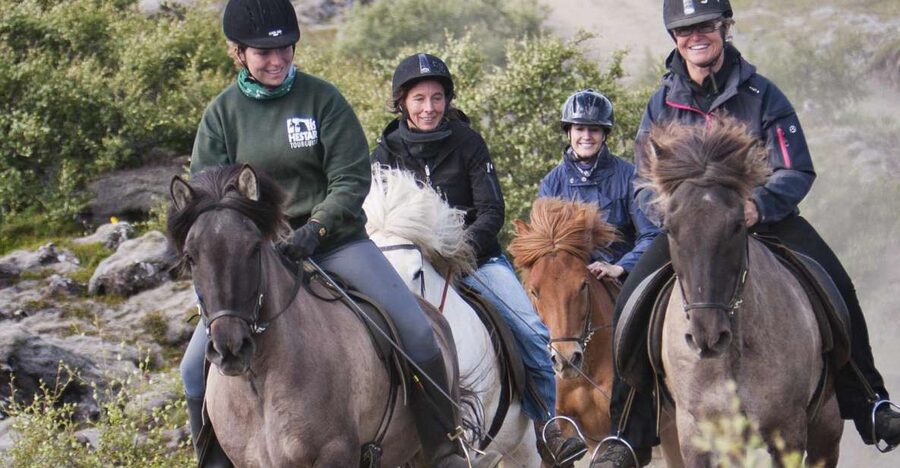
The special thing here is speed and variety. This is not a gentle pony ride around a paddock. On the Viking Tour Express, you ride Icelandic horses across rough ground and open country, with chances to try the breed’s famous tölt as well as faster paces.
I like the careful horse matching and the small groups, limited to 12 riders. I also like that the ride gets you into open Icelandic scenery within about 10 minutes of Reykjavík. The main catch is simple: you need real riding experience, including control at a canter. This is not the right outing for a first-time rider.
Quick takeaways
- The tölt is the star: This smooth Icelandic gait lets you feel what makes the breed different from ordinary riding horses.
- Expect more than walking: Strong intermediate riders may trot, tölt, canter, and gallop across suitable stretches.
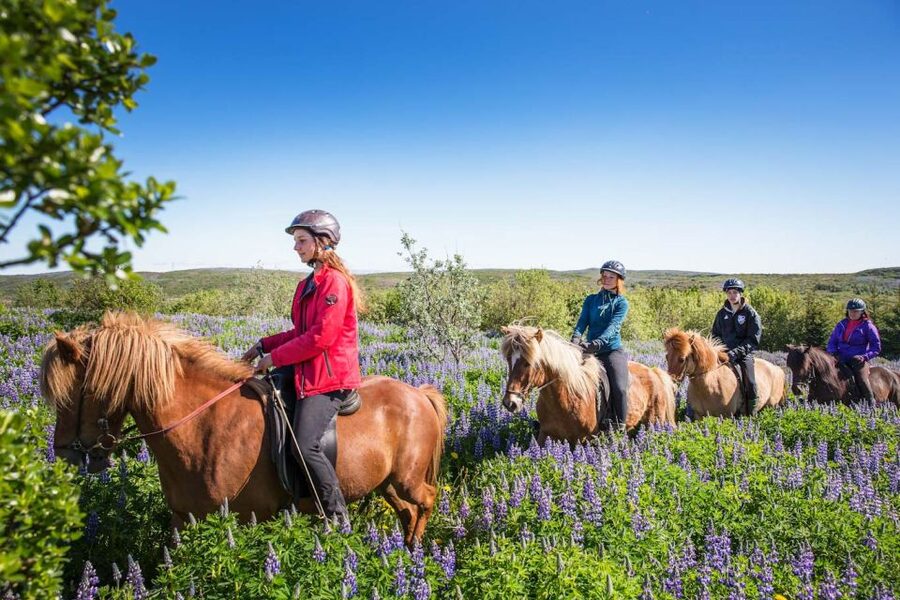
- The scenery changes quickly: Ride through lava fields, countryside, mountain views, and near a lake, with volcanoes visible in the distance.
- Small groups matter: With as many as 12 people, guides can match horses and keep an eye on the pace.
- The stable is close to Reykjavík: Íshestar is in Hafnarfjörður, making this a practical half-day escape from the city.
- Icelandic weather is part of the deal: Warm overalls, rainwear, boots, and helmets are supplied, but you still need gloves, a hat, and weather-ready layers.
Why experienced riders should choose this ride
Many Icelandic horse outings are designed for beginners. They move at a slow walk, stay on easier paths, and focus on meeting the animals. That can be a fine choice, but the Viking Tour Express is aimed at something else: showing you how an Icelandic horse moves when you give it room.
You should be comfortable handling a horse at all paces. The operator describes the ride as suitable for strong intermediate riders, generally people who have ridden around 30 times or more and can stay in control at a canter. You do not need to be a competitive rider, but you should not be learning basic balance or rein control here.
The difference matters because the route crosses uneven ground. You may ride over lava terrain and take faster sections where the group needs to stay together. One rider recovering from an ankle injury found that a calm, responsive horse made the outing manageable, but that does not change the basic requirement for riding ability.
If you are confident at a walk and trot but nervous at a canter, choose one of Íshestar’s easier rides instead. You will have a better time on a tour that matches your skills than on one where you spend the day worrying about the next faster section.
A few more Reykjavik trips to weigh up
- Reykjavik: Red Lava Horse Riding Tour
★ 4.8 · 2,383 reviews - From Reykjavík: Icelandic Horse Riding Tour in Lava Fields
★ 4.7 · 1,356 reviews - Icelandic Horseback Riding Tour with Pickup Option from Reykjavik
★ 5.0 · 1,145 reviews
Meeting the Icelandic horse at Íshestar
The riding centre is at Sörlaskeið 26 in Hafnarfjörður, just outside Reykjavík. You need to arrive 30 minutes before departure. That early arrival is useful, not wasted time, because the stable staff need to fit your equipment, assign horses, and prepare the group.
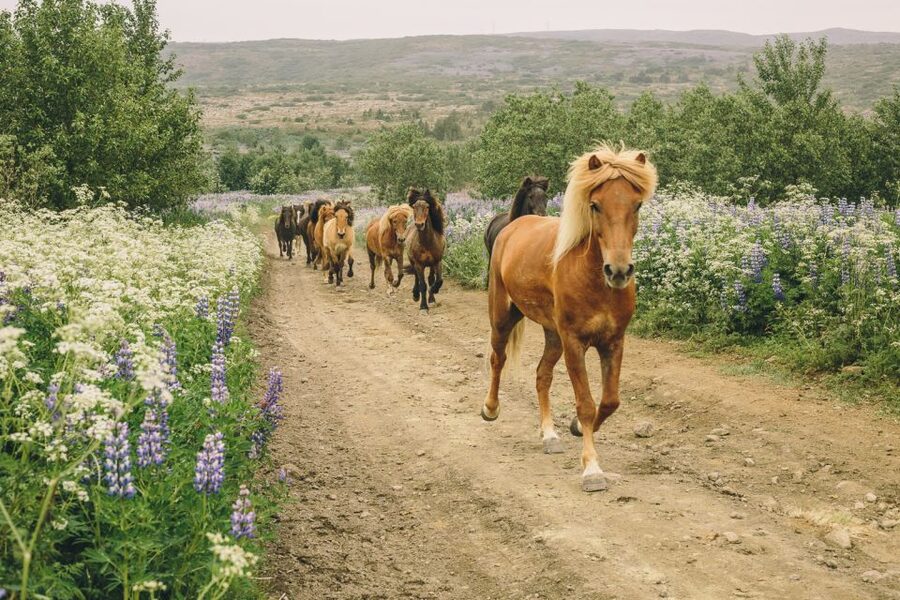
The facilities provide a comfortable place to wait, and you may have time to visit the horses in the barn before riding. That contact helps you get used to the size and temperament of the animals. Icelandic horses are often called ponies because of their compact build, but they are strong riding horses with a sure-footed feel and a lively range of movement.
Horse matching is one of the strongest parts of this experience. Staff aim to pair each rider with a suitable horse, taking account of confidence, experience, and preferred pace. Past riders have singled out horses such as Angel and a horse whose name means celebration, but your own mount will depend on the day and the group.
Do not expect to choose any horse you like. The staff make the final decision for safety and balance within the group. That is a good thing on a ride involving faster paces and mixed levels of confidence.
The route from Hafnarfjörður into open country
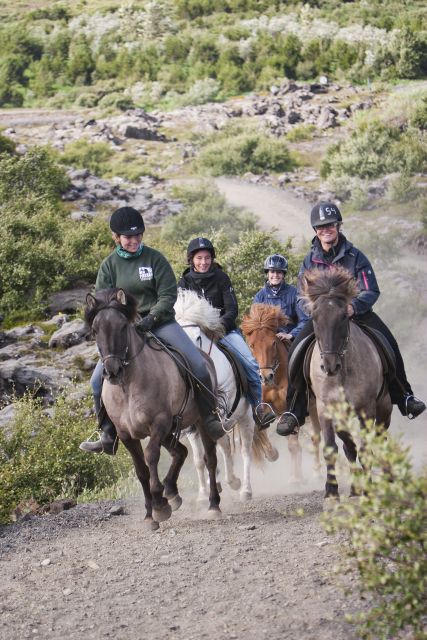
Once mounted, you leave the stable area and head into the countryside around Hafnarfjörður. The city is close, but the setting quickly feels far less urban. You ride through open ground shaped by Iceland’s volcanic past, with lava fields, rough tracks, and broad views toward mountains and volcanoes.
The scenery is not one single postcard view. It changes as the horses move. One stretch may show dark lava rock, while another opens toward a lake or distant peaks. A small amount of forest appears along the way, an interesting contrast in a country better known for treeless plains, mossy lava, and open coastal ground.
This is a good way to see the Reykjanes area because you experience the surface at horse speed. From a bus, you pass through the countryside quickly. On horseback, you notice the uneven rock, the wind, the silence between hoofbeats, and the way the view opens around you.
Weather can alter the mood. Strong wind is common in Iceland and can make horses more alert, but the horses used here have been praised for staying calm and cooperative in difficult conditions. Rain does not necessarily cancel the fun, but it can reduce visibility and make footing less pleasant.
The route and timetable can change because of weather, road conditions, or safety needs. Think of the scenery as a likely collection of lava, mountains, a lake, and volcanic views, not a fixed set of guaranteed photo stops.
Learning the tölt and other gaits
The Icelandic horse is famous for five gaits, though this outing focuses on the practical riding experience rather than a formal classroom lesson. You will learn how the horses move and get opportunities to feel the tölt, a distinctive four-beat gait that many riders describe as unusually smooth.
The tölt can feel almost level compared with a standard trot. That does not mean it requires no skill. You still need to sit correctly, follow the horse, and respond to the guide. A horse that tölted comfortably for one rider may not offer the same rhythm to another, since each animal has a different way of going.
The ride can include walking, trotting, tölt, cantering, and galloping, depending on the group, terrain, weather, and guide’s judgment. The faster sections are a major reason experienced riders choose this tour. You get a chance to feel the breed’s range rather than spending the full outing at a single slow pace.
The guide controls when the group changes gait. Follow instructions closely and keep your horse at a safe distance. Even a calm horse can react to wind, another animal, or rough ground, so control matters more than speed.
Past groups have included riders who felt comfortable cantering and others who had extensive experience with Icelandic horses. The best groups are those with similar ability. If one rider cannot safely keep up, the guide may need to adjust the pace or divide the group.
Same island, a completely different kind of day:
- Reykjavik: Golden Circle Full-Day Tour with Kerid Crater
★ 4.8 · 24,485 reviews - Reykjavik Food Walk – Local Foodie Adventure in Iceland
★ 5.0 · 18,952 reviews - Iceland: Northern Lights Bus Tour from Reykjavik
★ 4.1 · 11,161 reviews - Reykjavík: South Coast Waterfalls, Black Sand & Glacier Tour
★ 4.8 · 11,030 reviews
Two and a half hours in the saddle
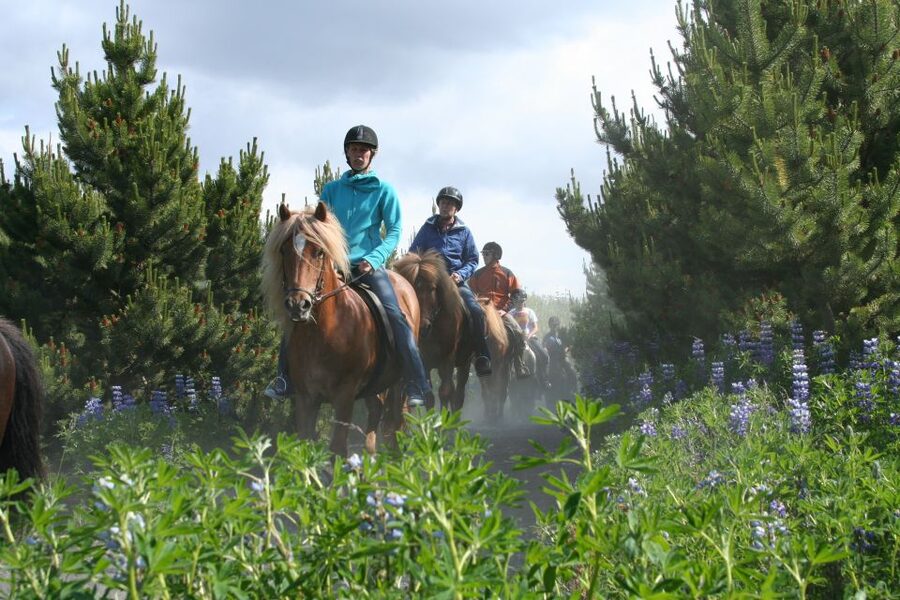
The advertised activity lasts about three hours, with roughly 2.5 to 3 hours of actual riding including stops. Some materials describe the full outing as a five-hour trip, which appears to include longer transfer and operating time rather than five hours continuously on horseback. Confirm the exact schedule when booking, especially if you arrange transport.
That amount of saddle time is substantial. You will have time to settle into the horse, try different gaits, and see the countryside without feeling rushed. It also means you should think about your fitness and comfort. Even a smooth gait can tire your legs, hips, and lower back after several hours.
Stops break up the ride and give you time to take in the views. They also help the horses rest and allow the guide to check that everyone is comfortable. Do not expect a long sightseeing stop at every landmark. The focus is riding, not a series of formal attractions.
The small-group format improves the experience. A group can include up to 12 riders, though some departures may be much smaller. One past outing had only three riders and felt almost private, with plenty of attention from the guide. You cannot count on that size, but the limit is still more manageable than a large trail ride.
Guides, safety, and horse care
The guide’s job is more than leading the first horse. You can expect help with mounting, horse control, gait changes, and group spacing. Guides named in past outings include Miriam and Andrea, and both were praised for being clear, kind, and attentive to rider needs.
Safety is taken seriously. The staff select horses to suit individual riders, supply helmets, and can assist with mounting and dismounting. This is useful if you have stiff joints or a minor physical limitation, though you must tell the guide about any condition that could affect your ability to ride.
The horses appear to be central to the operation rather than treated as simple equipment. Riders have found them friendly, responsive, and in good condition, with time to interact with them before or after the ride. That matters to anyone who cares about animal welfare.
You must be sober to participate. Pregnant women are not permitted because of the possible risk from an accident. The weight limit is 110 kilograms, or 243 pounds, despite another figure of 250 pounds appearing in the tour details. To avoid confusion, treat 110 kilograms as the firm limit.
Parents must remain in the same riding group as their children if the party is divided. The minimum age is 12, so families with younger children need to choose a different outing.
Clothing, luggage, and Icelandic weather
Íshestar supplies riding helmets, rubber boots, rainwear, and either warm overalls or another warm outfit suitable for the ride. This is a major help if you are visiting Iceland without riding gear. You still need to bring sunglasses, a hat, gloves, and weather-appropriate clothing.
Dress in layers. The stable may feel comfortable while the open country is cold and windy. Gloves are especially important because reins become unpleasant to hold with cold fingers, even when the rest of you is warm.
You cannot take a backpack, large bag, or large camera on the ride. Safety boxes are available at the riding centre for valuables. Bring only what you need in your pockets, and do not plan on carrying a full camera bag for the scenic sections.
If you bring your own riding equipment into Iceland, it must be washed at 40 degrees Celsius, dry cleaned, or disinfected before arrival. Used leather riding gear may not be brought into the country. For most visitors, using the stable’s equipment is the simplest option.
Getting there from Reykjavík
You can drive to the centre in Hafnarfjörður, or select a transfer option from Reykjavík hotels and designated bus stops. Pickup is not available from every address. If you stay in a private apartment, the operator will send the nearest pickup point by email.
The listed Reykjavík pickup points include the BSI Bus Terminal, Harpa area, City Hall, several designated bus stops, Hotel Viking, Hilton Reykjavík Nordica, and other central locations. You need to wait outside or in your hotel lobby at the stated pickup time.
The schedule needs careful attention. The Viking Tour Express is offered on Mondays and Fridays at 1:00 p.m. during winter, while summer departures are available daily. Separate pickup information refers to a 9:00 a.m. Monday tour and a 1:00 p.m. Friday tour. Since seasonal schedules can vary, check the available departure shown for your date rather than assuming every time applies year-round.
A transfer saves you the trouble of finding the stable and is worth considering if you do not have a car. If you are already renting a vehicle, driving may give you more control over your day, but you still need to arrive 30 minutes early.
Is the $246 price fair?
At $246 per person, this is not a cheap way to spend three hours. The value depends almost entirely on your riding ability and what you want from Iceland.
For a strong intermediate or experienced rider, the price includes a long period in the saddle, a small group, a suitable horse, professional guidance, riding equipment, and optional transfers. The chance to tölt and canter through volcanic country makes it more than a basic stable loop.
For a beginner, the same price may feel poor because you would not be able to use the tour’s main strengths. You would spend your energy managing the horse rather than enjoying the scenery and different gaits. Choose a beginner-friendly Íshestar ride instead.
The price also compares better if you value access to the countryside near Reykjavík. You do not need to spend a full day driving to a remote region to ride among lava fields and mountains. The short distance from the capital makes this a practical addition to a busy Iceland itinerary.
Free cancellation is available up to 24 hours before departure, and you can reserve now and pay later. Those policies help if your Iceland plans depend on weather or changing transport arrangements.
Who should book the Viking Tour Express?
Book it if you:
- Have substantial riding experience and can control a horse at a canter.
- Want to feel the tölt rather than take a slow introductory ride.
- Prefer a small group and personal horse matching.
- Want open volcanic scenery close to Reykjavík.
- Are comfortable riding for 2.5 to 3 hours in changing weather.
- Appreciate a stable that provides warm gear and takes horse care seriously.
Skip it if you:
- Have never ridden before.
- Are only comfortable at a walk.
- Feel uncertain about cantering or riding over uneven ground.
- Need to bring a large camera or backpack.
- Are under 12, pregnant, over 110 kilograms, or unable to participate safely for another medical reason.
FAQ
Where does the horseback ride begin?
The meeting point is Sörlaskeið 26, 220 Hafnarfjörður. You should arrive 30 minutes before the scheduled departure.
How far is the stable from Reykjavík?
Íshestar Stables is in the countryside just outside Hafnarfjörður, around a 10-minute drive from Reykjavík.
How long is the experience?
The activity is listed as three hours, with about 2.5 to 3 hours of riding including stops. Some tour information describes the full trip as five hours, so confirm the exact timing for your selected departure.
What riding ability do I need?
You should be a strong intermediate rider who can stay in control at all gaits, including canter. The tour is generally intended for people who have ridden approximately 30 times or more.
Can beginners join this tour?
No. This specific ride is for strong intermediate riders. Íshestar offers other rides that are better suited to beginners.
What is the minimum age?
Participants must be at least 12 years old.
What equipment is provided?
The stable provides a riding helmet, rubber boots, rainwear, and a warm outfit or overalls for the ride.
Can I bring a backpack or large camera?
No. Backpacks, bags, and large cameras cannot be taken on the ride. Safety boxes are available at the riding centre for valuables.
Is pickup from Reykjavík available?
Pickup is optional from selected Reykjavík hotels and designated bus stops. Private-apartment visitors receive the closest pickup point by email.
What languages are available?
Guides may speak English, Icelandic, or German. Some guides also speak other languages.
What is the weight limit?
The maximum stated weight is 110 kilograms, or 243 pounds.
Can I cancel the booking?
You can cancel up to 24 hours in advance for a full refund.
Should you book it?
You should book the Viking Tour Express if riding is one of the reasons you came to Iceland. The combination of tölt, canter, volcanic ground, and close access to Reykjavík gives experienced riders a genuine taste of the Icelandic horse rather than a token photo opportunity.
I would not book it simply because horseback riding sounds like a pleasant way to see the countryside. The pace and terrain require confidence, and the three hours in the saddle are a serious outing. Match your ability honestly, pack gloves and warm layers, and confirm the pickup time and duration before paying.
For the right rider, this is a strong use of half a day. You get well-cared-for horses, thoughtful horse matching, practical gear, and scenery that changes quickly once you leave Hafnarfjörður. For everyone else, choose a gentler ride and save the Viking for the next Iceland visit.
Just added around Reykjavik
- Reykjavik: Whale and Puffin Watching RIB Boat Tour★ 4.6 · 179 reviews
- Reykjavik: Whale Watching Express★ 4.3 · 227 reviews
- Reykjavik: Whale Watching & Lava Show★ 5.0 · 4 reviews
- Reykjavik: Whale & Marine Adventure Tour★ 4.3 · 71 reviews
- Reykjavík: Horse Riding Tours★ 4.9 · 127 reviews
- Luxury Private Transfer from Reykjavik to Keflavik Airport★ 5.0 · 9 reviews
- Day Trip to Snæfellsness Peninsula from Reykjavik★ 5.0 · 7 reviews
- Winter South Coast Day Tour by Minibus from Reykjavik★ 5.0 · 109 reviews
Horses, compared.
Icelandic Horseback Riding Tour with Pickup Option from Reykjavik
Read our review →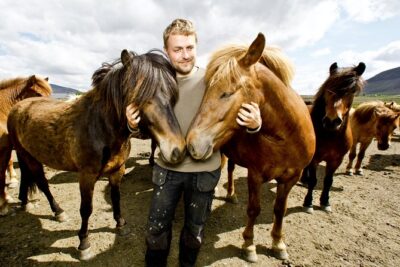
Icelandic Horseback Riding Tour Including Pick Up from Reykjavik
Read our review →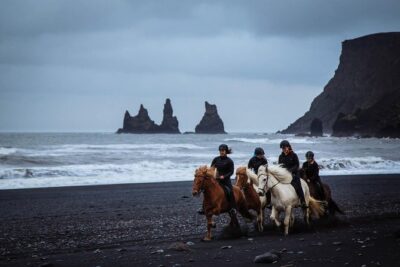
Golden Circle, Fridheimar Farm & Horses Small Group Tour from Reykjavik
Read our review →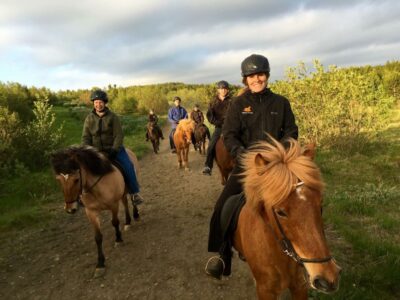
Small-Group Horse Volcano Riding Tour with Pickup
Read our review →Browse the lists this tour appears in