
Reviewed · HORSES
Reykjavík: Horse Riding Tours
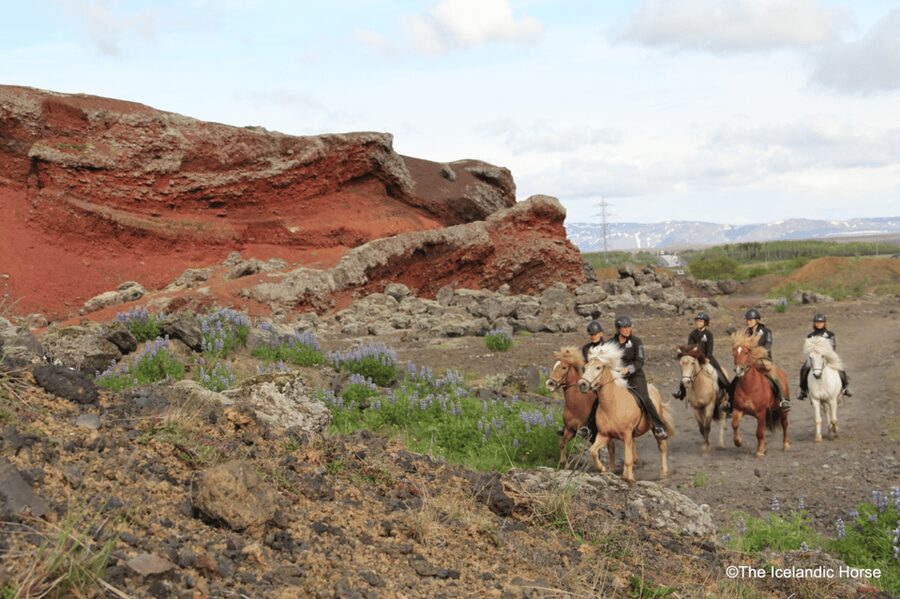
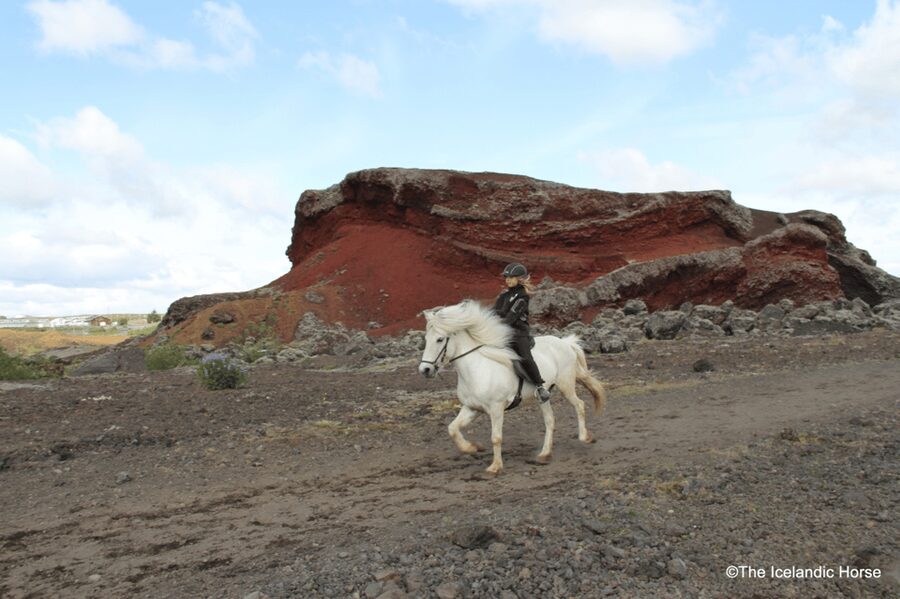
Icelandic horses are the real stars here. They are small, sturdy, calm animals with a special four-beat gait called the tölt, and you get to experience it while riding through volcanic hills just outside Reykjavík. The setting combines glacier-shaped mountains, open wilderness, and the colorful Redhill area.
I like the careful horse matching and the friendly instruction, especially for first-time riders. I also like the small group, limited to eight people, which gives the guide time to help you rather than simply lead a line of horses. The main drawback is that a two-hour booking includes only about one to one and a half hours in the saddle, and weather can mean cold, rain, mud, or cancellation.
Key points to know before you ride
- The Icelandic horse makes this more than an ordinary trail ride: You may get to try the smooth tölt, a gait unique to Icelandic horses.
- The stables are close to Reykjavík: The meeting point is about a 10-minute drive from the capital.
- Beginners are welcome: You receive a riding lesson, and horses are assigned to suit your experience.
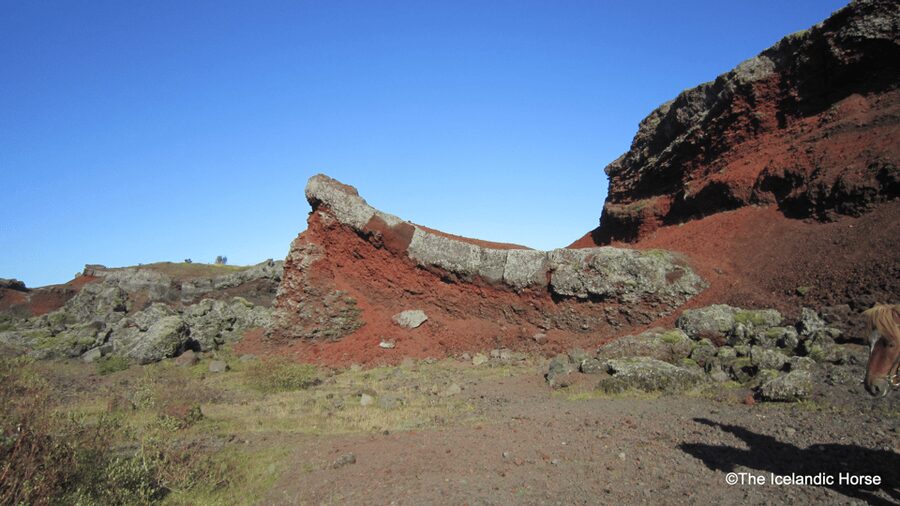
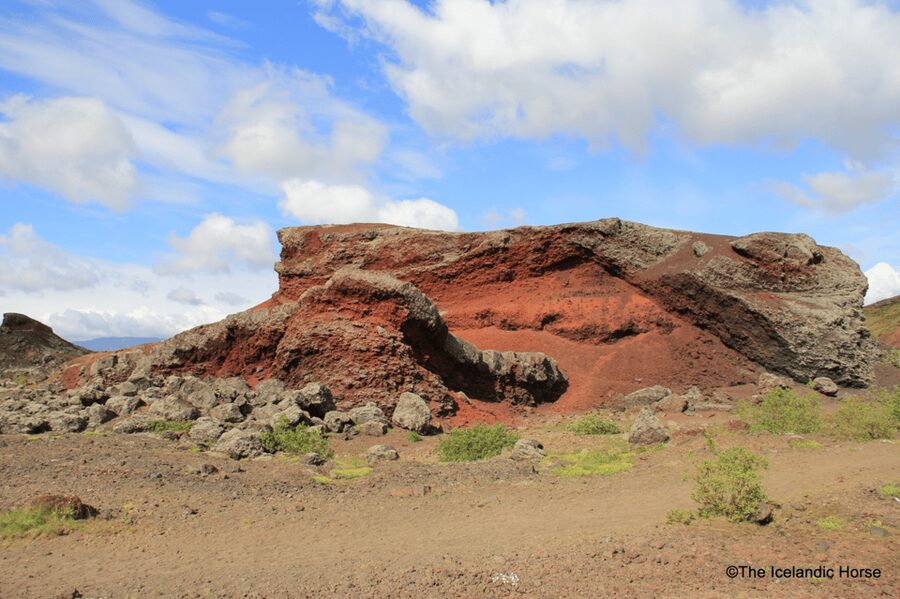
- The scenery is volcanic and wide open: Expect mountain views, glacier-carved ground, and the Redhill area.
- Small groups matter: The tour takes no more than eight participants.
- Plan for Icelandic weather: Rain gear, overalls, gloves, and shoes are supplied, but conditions can still feel cold and muddy.
Meeting Iceland’s special horse near Reykjavík
The tour begins at the stables, a short drive from central Reykjavík. When you arrive, you will find a boom barrier at the parking area, often with horse trailers nearby. Wait there until the gate is opened.
That simple arrival detail matters. This is a working stable rather than a polished city attraction, so do not expect a grand visitor entrance. You are coming to meet the horses, get dressed, and prepare for an outdoor ride.
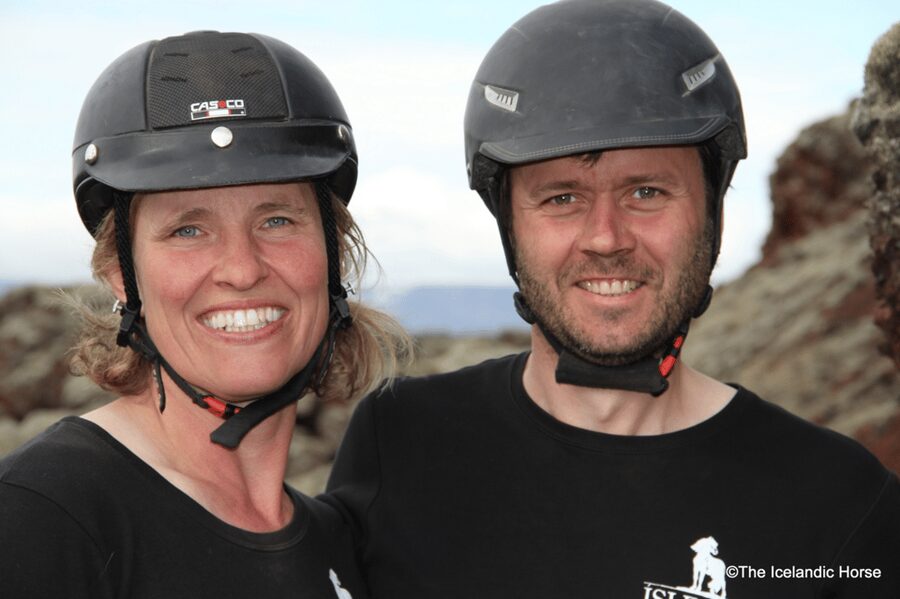
The experience provider is Islenski Hesturinn, The Icelandic Horse. Begga and Sveinn, identified as the owners in the tour information, have guided many of the rides. Their approach is hands-on and personal. Begga is especially known for explaining how Icelandic horses differ from other breeds, while Sveinn has helped riders improve their position and handling during the outing.
You should allow time to get settled before mounting. Riding gear is included, with rain clothes, overalls, gloves, and shoes available. A riding helmet is an important safety item, and the safety guidance makes clear that riding is not risk-free. Tell the staff about any illness or health concern so they can assess the situation.
A few more Reykjavik trips to weigh up
- Reykjavik: Red Lava Horse Riding Tour
★ 4.8 · 2,383 reviews - From Reykjavík: Icelandic Horse Riding Tour in Lava Fields
★ 4.7 · 1,356 reviews - Icelandic Horseback Riding Tour with Pickup Option from Reykjavik
★ 5.0 · 1,145 reviews
The riding lesson comes before the trail
The first formal part of the experience is a short riding-school session. You learn how to handle the reins, communicate with the horse, and respond to basic instructions. This is particularly useful if you have never ridden before or if your last ride was years ago.
The instruction is not treated as a box to tick. The guides explain how Icelandic horses respond and what makes them different from horses you may have ridden elsewhere. That background adds meaning to the ride. Instead of simply sitting on an animal while it follows the horse ahead, you learn how to participate.
Your horse is selected to fit your riding level. This is one of the tour’s strongest practical features. A nervous beginner needs a steady, easy-to-manage horse, while an experienced rider may appreciate an animal with a little more energy. Past groups have included complete beginners, experienced riders, older participants, and people with only limited confidence.
Do not mistake calm horses for automatic horses. You still need to listen, keep a balanced seat, and avoid sudden movements. Screaming, waving your hands, sudden noises, and other abrupt actions are not allowed because they can frighten a horse. You must also be sober and free from the influence of alcohol or drugs.
Riding through the Redhill volcanic area
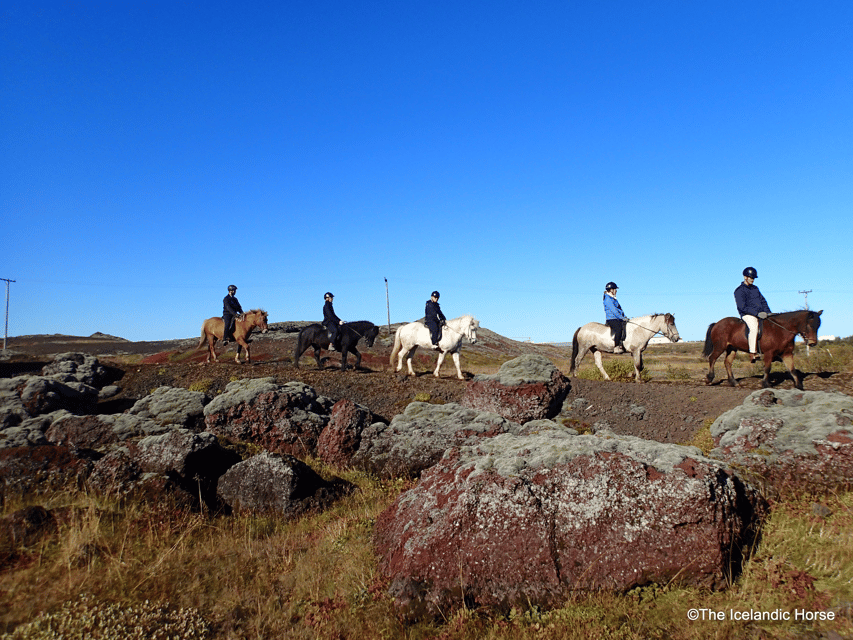
Once everyone has been prepared and paired with a horse, the group heads into the countryside. The riding portion lasts about one to one and a half hours, depending on the day’s schedule and conditions.
The route passes through the Iceland Redhill area, a volcanic setting near Reykjavík. You ride among mountains and open ground shaped by both volcanoes and glaciers. This is not a forest trail or a manicured park. The appeal comes from Iceland’s bare, spacious scenery and the contrast between colorful mountain slopes and the broad wilderness around them.
From the saddle, you see the country at a slower pace than you would from a bus or a car. You have time to notice the ground beneath the horse, the changing colors of the hills, and the way the open terrain frames the mountains. The views are the main reason to choose this activity over a riding arena lesson.
The route is described as relaxed, making it suitable for a mixed group of beginners and experienced riders. That also means you should not book it expecting a fast, athletic ride or a long day in the backcountry. This is a short introduction to Icelandic riding, not a full-day expedition.
The tölt is the memorable part
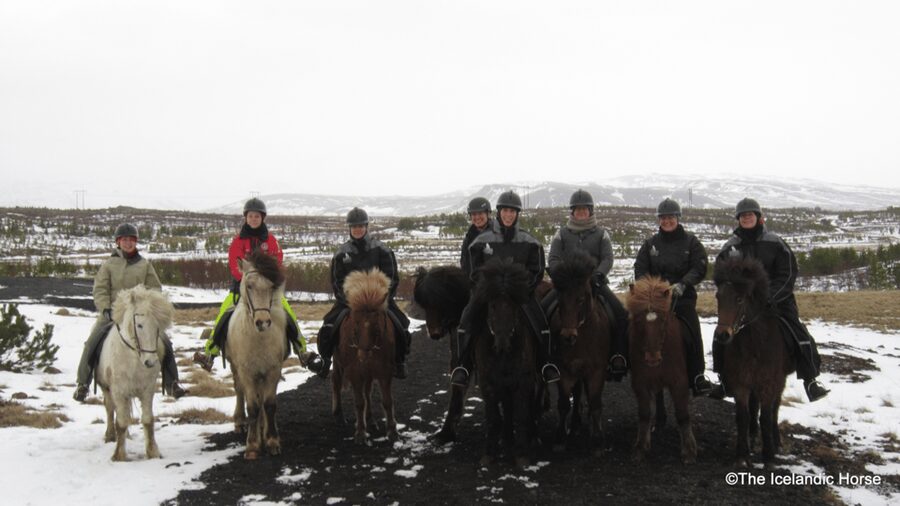
The Icelandic horse has five gaits, including the tölt. For a rider, the tölt is the feature that makes this outing special. It is a smooth, controlled gait that can feel different from the walk, trot, or canter you may know.
The guides introduce the gait when conditions and rider ability allow. Several riders have found trying the tölt to be the most exciting part of the experience. You may ride it as a group, with the guides offering tips to help you stay comfortable and balanced.
Your experience will depend on your horse, your confidence, and the conditions. A first-time rider should not assume that the whole ride will be spent tölting. The group must remain safe, and the guides decide what is suitable. Still, even learning about the gait and feeling it briefly can be a memorable part of a first Icelandic horse ride.
Experienced riders may find the ride shorter and more gently paced than they prefer. One experienced horse trainer wished for more time and a more scenic route. That is a fair point to keep in mind. The tour is strongest as an accessible, well-supervised introduction rather than as a demanding riding adventure.
Same island, a completely different kind of day:
- Reykjavik: Golden Circle Full-Day Tour with Kerid Crater
★ 4.8 · 24,485 reviews - Reykjavik Food Walk – Local Foodie Adventure in Iceland
★ 5.0 · 18,952 reviews - Iceland: Northern Lights Bus Tour from Reykjavik
★ 4.1 · 11,161 reviews - Reykjavík: South Coast Waterfalls, Black Sand & Glacier Tour
★ 4.8 · 11,030 reviews
Why the small group improves the ride
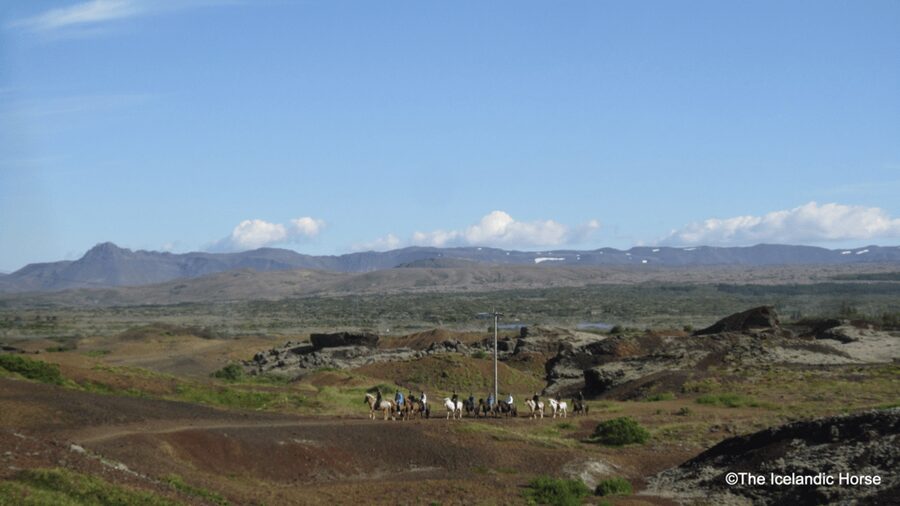
The maximum group size is eight people. That limit makes a real difference during the lesson and on the trail.
A guide can watch how you sit, hold the reins, and respond to your horse. If you are uncertain, you have a better chance of receiving an answer quickly. The guides have also been praised for checking that riders feel comfortable throughout the route rather than giving all their attention to the most experienced person.
Small groups are useful for another reason: horses are sensitive to noise and movement. A compact line is easier to manage than a large procession. The guides can keep the pace steady and help the group respond if a horse becomes distracted.
Begga and Sveinn have also taken photographs and videos during rides. That lets you focus on handling your horse instead of trying to operate a phone from the saddle. Do not treat this as a guaranteed professional photography service, but it is a thoughtful extra when it is offered.
Weather is part of the Iceland experience
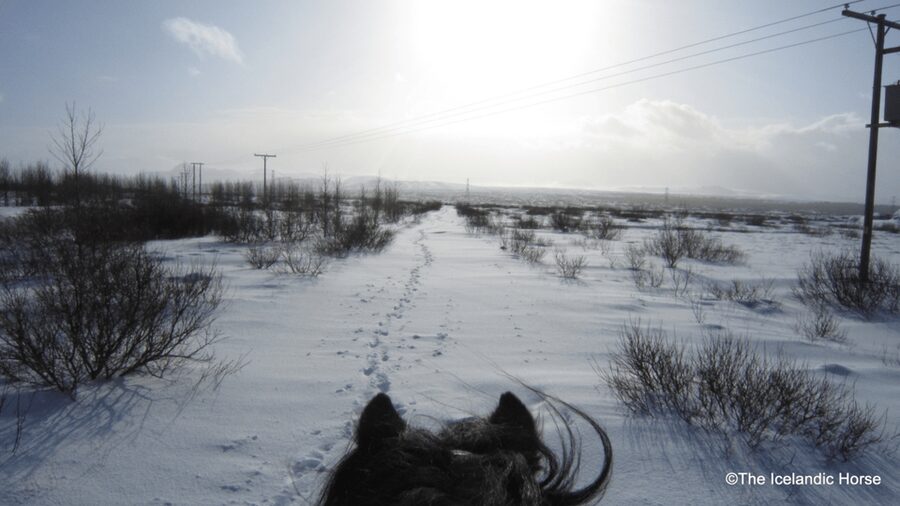
Icelandic weather can change quickly, and this ride goes ahead in ordinary rain unless conditions become unsafe. Rain clothes, overalls, gloves, and shoes are included, which helps, but you should still expect to spend time outdoors in cool, wet conditions.
A rainy ride can mean muddy ground and less dramatic visibility. One rider described a wet outing as cold and muddy but still enjoyable because the guides kept the mood light. That is the right expectation. The weather may soften the colors and limit the views, but it does not erase the appeal of riding an Icelandic horse in Iceland.
Strong winds are a more serious matter. A previous tour was cancelled because of high winds, with another date arranged afterward. The operator may cancel or change the service when weather or other conditions require it. If this ride is a major priority, book it early enough in your trip to leave room for a rescheduled day.
Wear layers beneath the supplied gear. Keep valuables secure, and do not bring anything you cannot manage safely while mounted. Your hands need to remain available for the reins, and sudden movements can unsettle the horse.
Is $200 a fair price?
At $200 per person, this is not a cheap two-hour activity. The ride itself lasts roughly 60 to 90 minutes, so you are paying for the stable preparation, riding lesson, equipment, guide attention, horse care, and access to a distinctive Icelandic experience close to Reykjavík.
I think the price is reasonable for the right person. If you want a short, carefully supervised introduction to Icelandic horses, the small group and included riding gear add useful value. You also avoid spending a full day reaching a remote stable, since the meeting point is only about 10 minutes from the capital.
The value is weaker if you already ride regularly and mainly want a long, challenging trail ride. In that case, the limited riding time may feel brief. You are paying for the breed, the instruction, and the setting, not for hours of distance riding.
The horse care also matters. The horses are described as well trained, friendly, and well looked after. Several accounts point to the guides’ affection for the animals, and that shapes the experience in a good way. You are not simply renting a horse for a quick photo. You are being introduced to a breed that is central to Icelandic riding culture.
Who should book this ride?
This tour suits first-time riders particularly well. The lesson, horse matching, small group, and steady supervision give you a sensible start. Parents should note the minimum age is 12, so younger children cannot join this activity.
It also works for mixed-ability pairs. One person can be an experienced rider while the other is a beginner, and both can take part in the same outing. The guides have experience explaining basic control without making more confident riders feel ignored.
Horse lovers will find the stable element as important as the views. You have time to meet the animals and learn about their behavior, breed, and unusual gait. Couples may also appreciate the personal feel of the experience. One honeymooning couple received a horseshoe as a good-luck keepsake, though you should not expect that exact gesture every time.
Older riders may be able to enjoy the tour, but you should be honest about your balance, hearing, mobility, and general health. Staff can evaluate health concerns, and the ride is still a physical activity with genuine risk. A previous participant praised the way staff assisted an older rider with hearing difficulties, but individual needs should be discussed before you mount.
Who may want a different Iceland excursion?
Choose another activity if you want a long day in the saddle, advanced riding practice, or a fast ride across remote country. The pace is relaxed, the group must stay together, and the riding portion is limited to about 1 to 1.5 hours.
You may also be disappointed if your ideal Iceland outing requires guaranteed sunshine. Rain, cold, mud, and wind are possible. The operator can cancel for unsafe weather, and the scenery will look different from day to day.
This is not the best choice if you are under 12, intoxicated, or uncomfortable following strict horse-safety rules. You must avoid sudden noises and movements, and you cannot ride under the influence of alcohol or drugs.
Booking details that matter
The tour lasts two hours from start to finish and is conducted in English with a live guide. Availability varies, so you need to check the starting times when booking.
You can cancel up to 24 hours in advance for a full refund. The reserve-now, pay-later option allows you to hold a place without paying immediately, which is useful when your Iceland schedule depends on weather.
The meeting-point directions are simple but specific: drive to the parking area, stop at the boom barrier, and wait for the staff to open it. The stable is close to Reykjavík, but the experience itself feels far removed from the city once you are out among the volcanic hills.
Should you book Reykjavík Horse Riding Tours?
I would book this if you want a personal, beginner-friendly way to meet Icelandic horses and see volcanic country without committing a full day. The guides’ patient instruction, careful horse matching, small groups, and chance to try the tölt give the tour more substance than a basic plod around a paddock.
I would skip it only if $200 feels high for a 60 to 90-minute ride, or if you want advanced riding and a longer route. For most visitors who are curious about horses, new to riding, or looking for a memorable break from Reykjavík’s museums and cafés, this is a strong choice. Leave room in your schedule for weather, dress for rain, and arrive ready to listen to the horse as much as the guide.
FAQ
How long does the horse riding experience last?
The full activity lasts two hours. The actual ride lasts approximately one to one and a half hours, with the remaining time used for arrival, preparation, and riding instruction.
How far are the stables from Reykjavík?
The stables are about a 10-minute drive from Reykjavík.
What will I do when I arrive at the meeting point?
You will find a boom barrier at the parking area, often near horse trailers. Wait at the barrier until the staff opens the gate.
Is the tour suitable for beginners?
Yes. You receive a briefing on handling and riding, and the horses are assigned to match each participant’s experience level.
What is the tölt?
The tölt is a special gait of the Icelandic horse. The guides may teach you how to ride it when your ability and the conditions make it suitable.
What riding equipment is included?
The tour supplies riding gear, rain clothes, overalls, gloves, and shoes.
What is the minimum age?
You must be at least 12 years old to join the tour.
Is the tour available in English?
Yes. The experience includes an English-speaking live guide.
Can the tour be cancelled because of weather?
Yes. The operator may cancel or change the service when necessary, including because of weather conditions. You can cancel your booking up to 24 hours in advance for a full refund.
Just added around Reykjavik
- Reykjavik: Whale and Puffin Watching RIB Boat Tour★ 4.6 · 179 reviews
- Reykjavik: Whale Watching Express★ 4.3 · 227 reviews
- Reykjavik: Whale Watching & Lava Show★ 5.0 · 4 reviews
- Reykjavik: Whale & Marine Adventure Tour★ 4.3 · 71 reviews
- From Reykjavík: Viking Horseback Tour in Hafnarfjörður★ 4.9 · 112 reviews
- Luxury Private Transfer from Reykjavik to Keflavik Airport★ 5.0 · 9 reviews
- Winter South Coast Day Tour by Minibus from Reykjavik★ 5.0 · 109 reviews
- Day Trip to Snæfellsness Peninsula from Reykjavik★ 5.0 · 7 reviews
Horses, compared.
Icelandic Horseback Riding Tour with Pickup Option from Reykjavik
Read our review →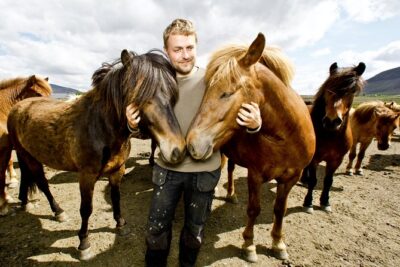
Icelandic Horseback Riding Tour Including Pick Up from Reykjavik
Read our review →
Golden Circle, Fridheimar Farm & Horses Small Group Tour from Reykjavik
Read our review →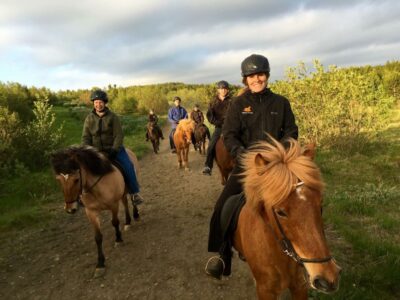
Small-Group Horse Volcano Riding Tour with Pickup
Read our review →Browse the lists this tour appears in