
Reviewed · ICE CAVE TOURS
From Reykjavik: 3-Day South Coast Winter Tour with Ice Cave
Iceland’s South Coast saves its most dramatic scene for late in the trip: a blue ice cave beneath Vatnajökull, reached by super jeep after you visit Jökulsárlón Glacier Lagoon. The cave is seasonal and weather-dependent, but when conditions line up, blue ice, glacial pressure, and a little adventure make this the tour’s big prize.
I like that you get the Golden Circle, South Coast waterfalls, Reynisfjara, glacier lagoon, and ice cave in one sensible three-day route. I also like the relief of letting a guide such as Hakon, David, Guli, or Nicola handle winter roads while you watch the scenery. The trade-off is a busy schedule, occasional waiting for a group of up to about 19 people, and a long final return to Reykjavik, often around 21:00.
Key points at a glance
- The ice cave is the headline: Enter a seasonal blue ice cave under Vatnajökull with safety gear and a super jeep transfer.
- The route covers Iceland’s greatest hits: Þingvellir, Geysir, Kerið, Seljalandsfoss, Skógafoss, Reynisfjara, Jökulsárlón, and Vik all fit into three days.
- Winter driving is handled for you: This is a strong choice if snow, wind, and ice make a rental car a poor fit.
- Your first night includes hot tubs: Bring swimwear for the geothermal tubs at the countryside hotel, but note that this is included on night one only.
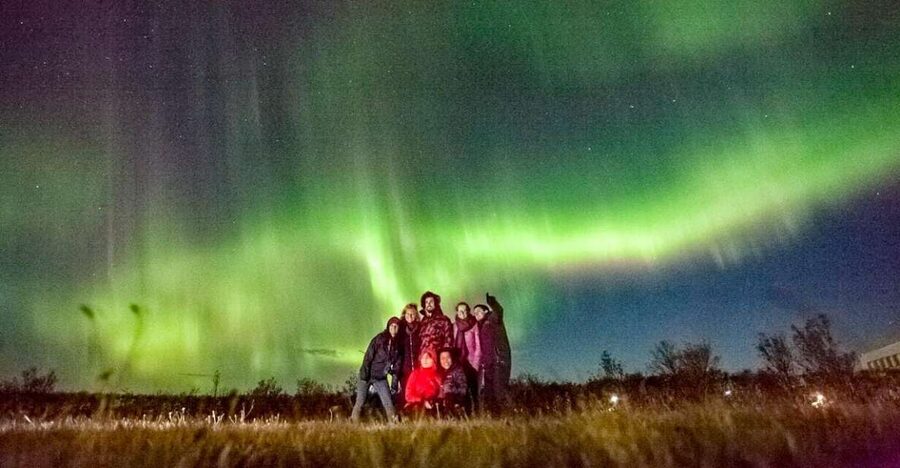
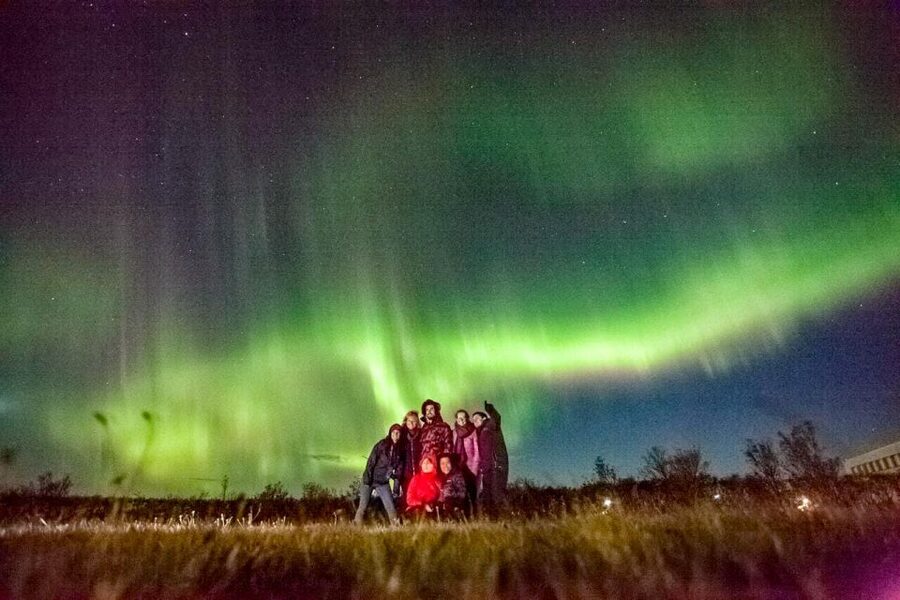
- Northern Lights are possible, not promised: Remote overnight locations help, but clouds and weather decide the outcome.
- Pack serious footwear: Proper hiking boots are mandatory, and rentals cost extra if you arrive without them.
Why this three-day route works in winter
At $977 per person, this is not a cheap bus ride. But the price includes two nights in private-bathroom twin or double rooms, breakfast, transportation from Reykjavik, a guide, the Kerið admission, hot tubs on the first night, and the ice-caving trip.
That bundle matters in Iceland, where accommodation, transport, and organized glacier activities can add up quickly. You still pay for lunch and dinner, and you need to budget for optional boot rental, but you are paying for the difficult part of the trip: getting far along the South Coast in winter without worrying about road conditions.
The minibus has Wi-Fi and USB chargers listed as included. One winter report found the bus comfortable, while another found it cramped with small windows. A separate report noted that USB ports were not working on that departure, so I would bring a power bank and keep expectations practical. The bus is mainly a safe moving base, not a sightseeing lounge.
The group format also shapes the experience. You get a live English-speaking guide and the chance to hear stories about Iceland’s culture, geology, food, and history. Guides have included David, Vlad, Walter, Hakon, Siddi, Guli, and Nicola, with several praised for clear timing, safe driving, humor, and extra stops when the group stayed on schedule.
More Ice Cave Tours in Reykjavik
- Reykjavik: Katla Ice Cave & South Coast Waterfalls Tour
★ 4.7 · 1,090 reviews - 3-Day Ice Cave, South Coast, Golden Circle and Northern Lights
★ 5.0 · 634 reviews - Reykjavik: South Coast and Katla Ice Cave Small Group Tour
★ 4.7 · 625 reviews
Day one: Þingvellir, geysers, and a warm first night
Pickup runs between 08:30 and 09:00, and you should be ready from 08:30 at the assigned pickup point. The exact location is sent after booking, so do not assume every Reykjavik accommodation has a bus stop directly outside.
The first major stop is Þingvellir National Park, part of the Golden Circle. This is a strong opening because it gives you wide volcanic scenery and an important place in Icelandic history before the tour turns toward geothermal heat and waterfalls. The area can feel exposed in winter, so windproof clothing matters even if Reykjavik looks calm when you leave.
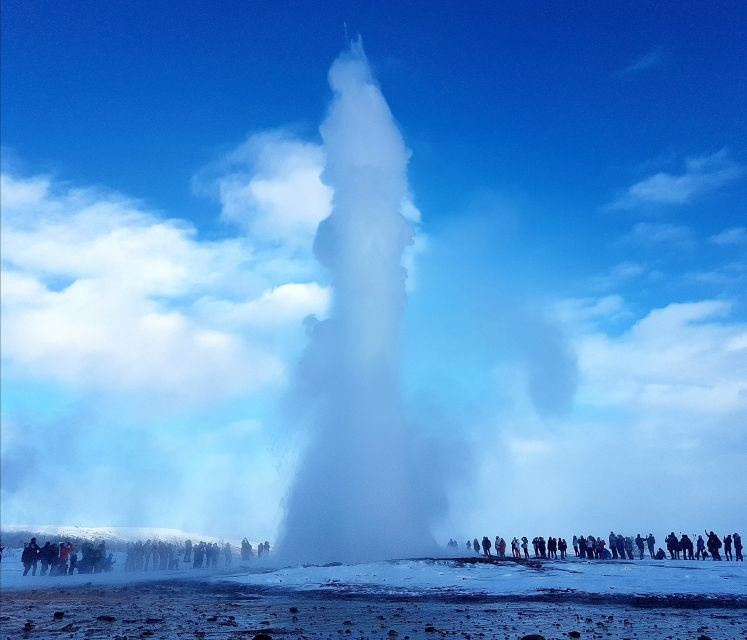
At Haukadalur, you visit the geothermal area around Strokkur. This is the active geyser that regularly shoots hot water into the air, while the surrounding ground bubbles, steams, and smells unmistakably of sulfur. You will want gloves that let you use your phone quickly, because the best moment can pass fast.
Kerið is a volcanic crater lake with steep red and dark volcanic sides. The entry is included, which is a small but useful saving. In winter, the path around the rim can be slippery, and this is one reason the footwear rule is not a formality.
The day continues to Hveragerði, a small town known for geothermal activity. You may walk around the Geothermal Park or by Reykjafoss Waterfall, with Northern Lights spotting possible if the sky cooperates. This is an atmospheric place to pause, but do not treat it as a guaranteed aurora stop.
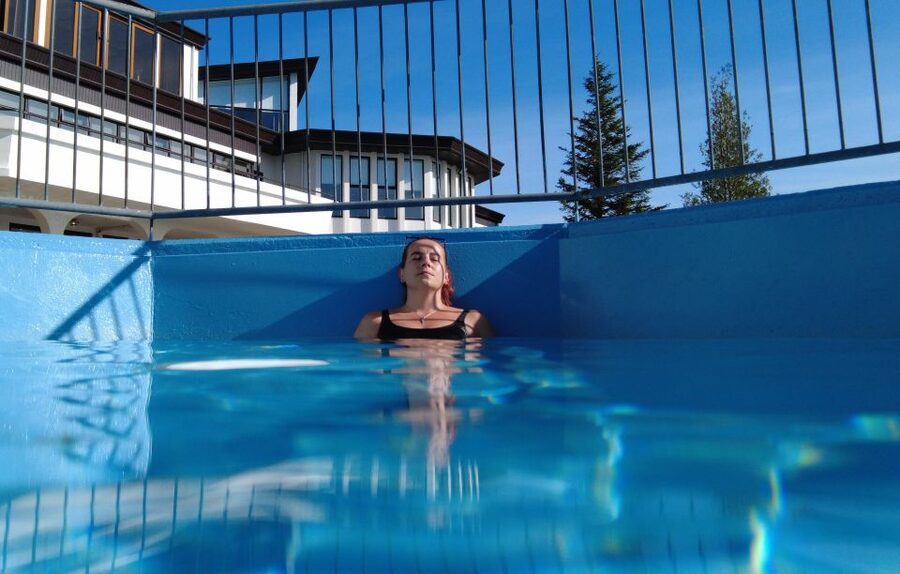
Your first night is at a countryside hotel with geothermal hot tubs. The tubs are a welcome counterpoint to a cold day outdoors, and the mineral-filled warm water gives you a chance to relax before the longer South Coast run. Bring swimwear, since it is not supplied in the tour details, and remember that the included hot tub access applies to night one only.
Breakfast is included. Lunch and dinner are not, so you should plan to buy food during the route rather than assume every stop provides a full meal. The supplied details do not promise specific restaurants or meal choices, so keep some flexibility in your budget.
Day two: waterfalls and Reynisfjara’s rough Atlantic edge
Day two follows Iceland’s South Coast, a stretch known for sudden changes in scenery. You move from green and volcanic country to waterfalls, sea cliffs, black sand, and, later, a remote overnight location in southeast Iceland.
Seljalandsfoss is the first major waterfall. Its water drops from a tall cliff, and the attraction is its shape as much as its height. In suitable conditions, you may be able to walk behind the falling water, but winter footing and spray can make this wet and slippery. Waterproof trousers and a rain shell are more useful here than an umbrella.
Nearby Gljúfrabúi feels different from the broad view at Seljalandsfoss. The waterfall sits partly inside a narrow rock opening, giving the stop a tucked-away feel without requiring a separate long excursion. If you approach the opening, expect wet ground and be ready to protect your camera and phone.
Skógafoss brings a larger, more forceful wall of water. The 60-meter cascade often produces spray and, in the right light, rainbows. You get a clear look from below, and the stop is easy to understand even if the weather is poor. The main challenge is staying warm while you take in the scale.
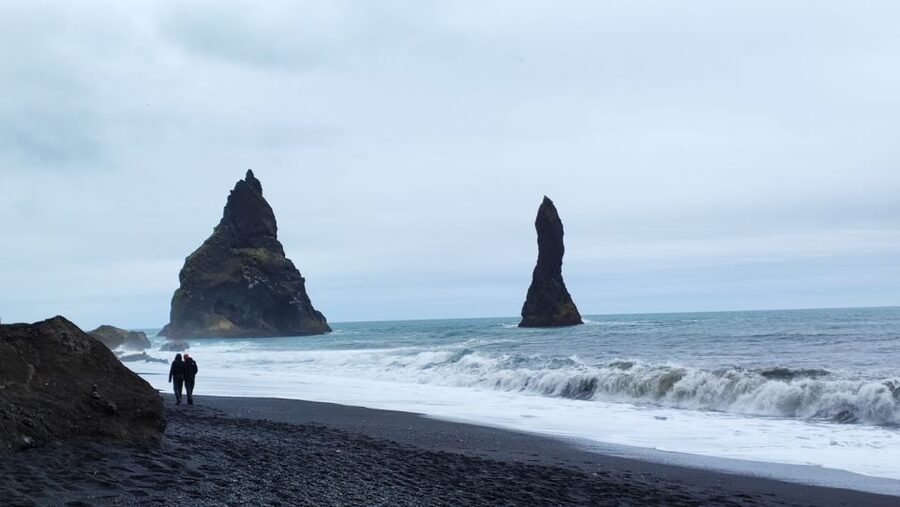
The route then reaches Reynisfjara, Iceland’s famous black sand beach. The sand comes from volcanic rock, and the beach is framed by dark cliffs and the Reynisdrangar sea stacks, which rise offshore like stone fingers.
This is a beautiful stop that demands respect. Atlantic waves can reach much farther up the beach than you expect, so stay well back from the water and follow the guide’s instructions. The beach is not a place for casual shoreline wandering, especially in winter wind and low light.
The second night is in a remote part of southeast Iceland. That location improves your chances of seeing the Northern Lights simply by putting you away from Reykjavik’s city glow, but auroras remain dependent on clear skies and solar activity. You might see them, or you might spend the evening with nothing but clouds overhead. The tour does not guarantee them.
The schedule can feel full on this day. That is part of the value: you cover several famous sites without arranging separate transfers. It also means you should be ready to leave each stop when told. One departure lost time because some people were slow to return to the minibus, while other groups made extra stops because everyone kept to schedule.
Day three: Jökulsárlón and the blue ice beneath Vatnajökull
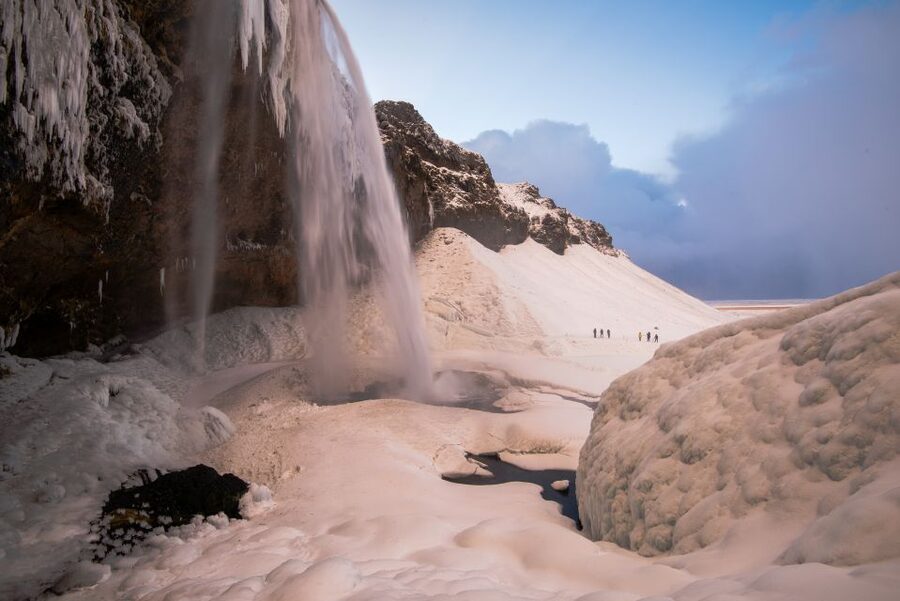
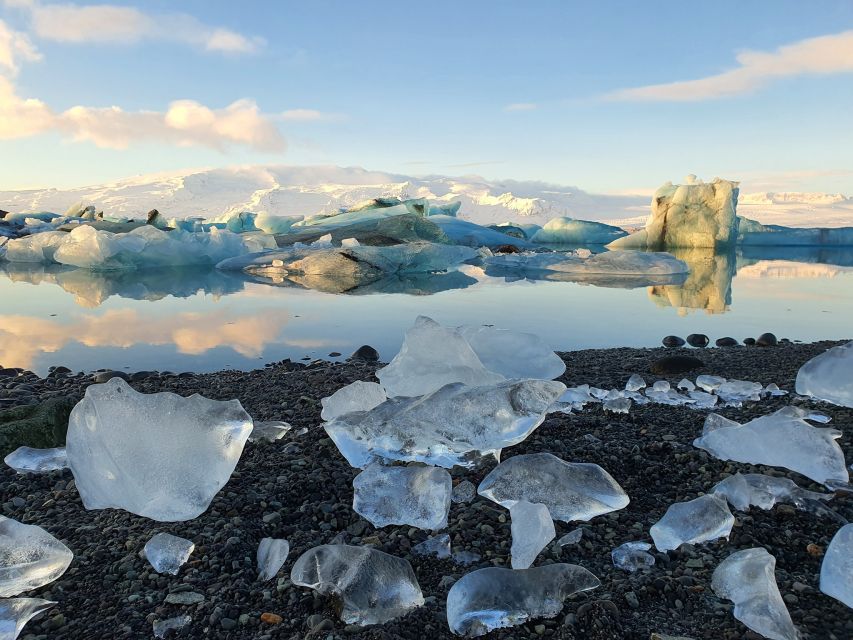
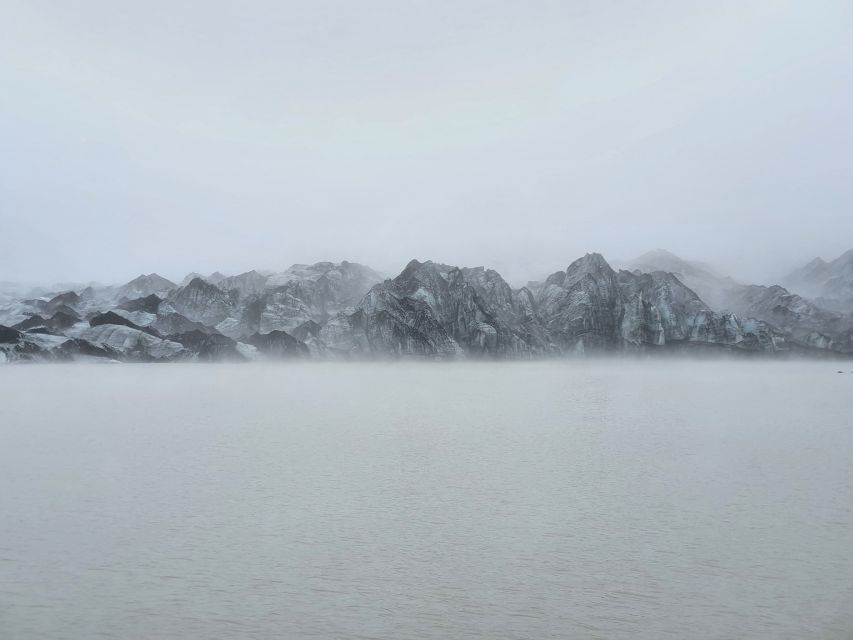
The final day reaches Vatnajökull National Park and begins at Jökulsárlón Glacier Lagoon. Pieces of glacier ice float in the lagoon, and smaller chunks wash onto the nearby shore, often called Diamond Beach because the ice can sparkle against black sand.
The lagoon is worth the long drive on its own. It gives you a close view of glacial ice in motion without asking you to complete a demanding hike. Even so, conditions can be cold and windy, and the shore may be icy, so keep your boots firmly secured and your hands warm.
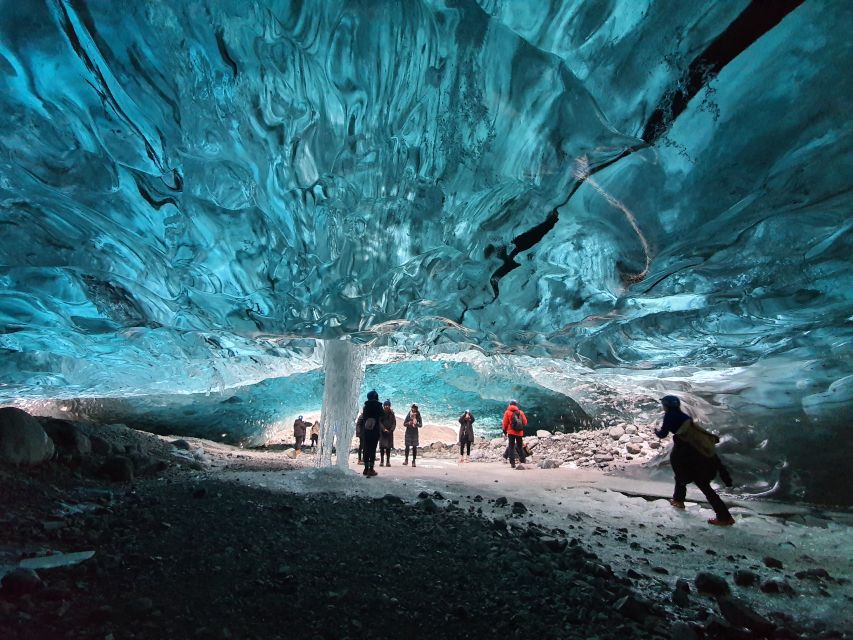
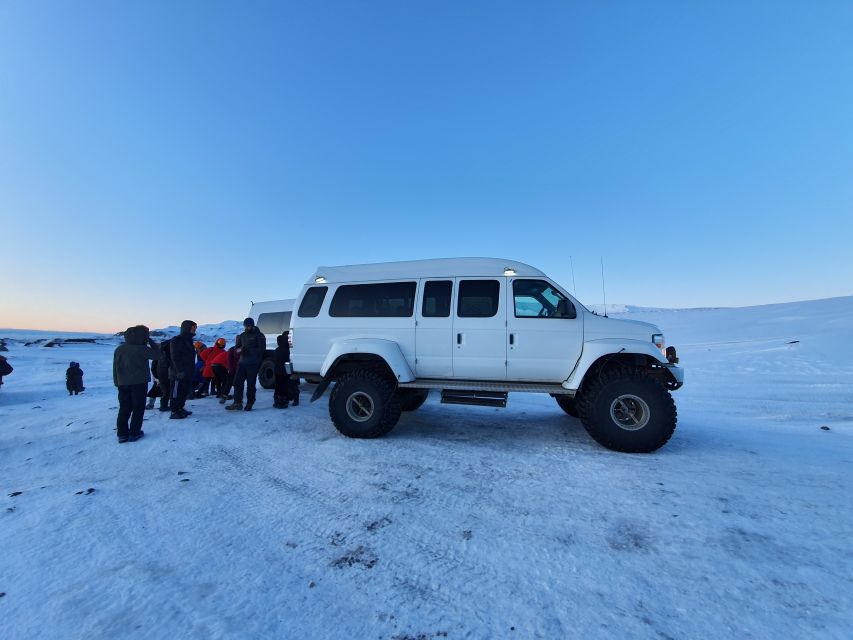
The ice-caving portion requires a change of pace. You receive the necessary safety equipment, then ride in a super jeep toward a natural ice cave under Vatnajökull, Europe’s largest glacier. The transfer is part of the experience, since an ordinary minibus cannot reach the cave entrance.
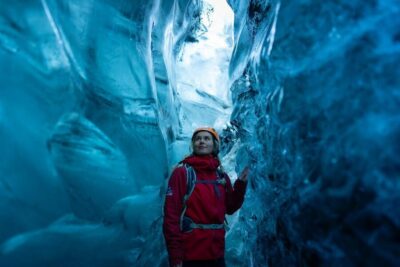
Inside, the main appeal is the blue ice and the sense that you are standing inside a temporary structure shaped by water and pressure. Because the cave is seasonal, its form and access can change. This is not a polished underground attraction with fixed walkways. It is a natural site, and weather or safety conditions can affect what is possible.
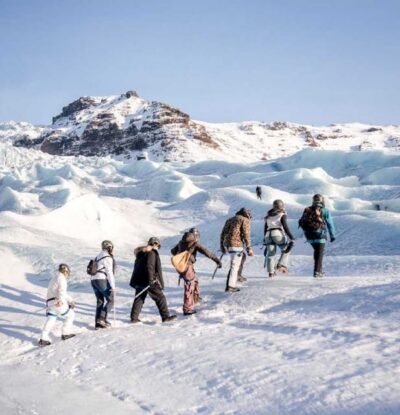
You should expect walking over uneven ground. Hiking boots are mandatory, and sports shoes are specifically not accepted. The material says crampons or similar equipment are provided for the ice-caving activity, but do not assume you will have them for every stop across all three days. One past departure found that limited traction equipment outside the glacier activity would have been useful.
The ice cave is a highlight, but it is not a full glacier-hiking course. The supplied details refer to ice caving and some comments also describe a glacier walk, but the exact extent of walking can vary with conditions. Ask the provider what the current cave approach involves if you have concerns about steep, uneven, or icy ground.
After the cave, the route turns back toward Reykjavik, with a refreshment break in Vik and a look at its traditional turf church. This gives you a final small-town stop after several days of natural sights. The expected Reykjavik arrival is around 21:00, though snow, wind, and road conditions can shift that time.
Do not book a late flight from Reykjavik on the final evening. The return time is an estimate, not a promise, and winter roads deserve patience.
More South Coast Tours in Reykjavik:
- Reykjavík: South Coast Waterfalls, Black Sand & Glacier Tour
★ 4.8 · 11,030 reviews - Iceland South Coast Full Day Small-Group Tour from Reykjavik
★ 5.0 · 5,988 reviews - South Coast Day Tour Black Sand Beach & Waterfalls from Reykjavik
★ 4.5 · 2,697 reviews - Iceland: Full-Day South Coast, Black Beach & Waterfalls Tour
★ 4.6 · 1,721 reviews
Guides, minibus travel, and the value of local commentary
The guide can make or break a three-day group trip. You spend many hours in the vehicle, so a driver who can explain what you are seeing matters as much as a person who can keep the schedule.
The strongest guide reports center on warmth, clear instructions, and safe driving. Guli added geological and historical context, while Nicola mixed place-based information with songs and guitar. Walter was praised for setting a friendly tone, explaining expectations plainly, and making the long drives entertaining. Hakon, David, Vlad, and Siddi were also singled out for humor, care, driving skill, and practical help.
That range tells you what to hope for, not who you will be assigned. The guide name is not something you can safely count on in advance. What is consistent is the English-language format, the driver-guide role, and a route designed to keep you moving through difficult winter conditions.
The minibus lets you rest while someone else handles the road. That is a major benefit in Iceland, where snow and wind can turn a simple self-drive plan into a stressful one. The drawback is limited personal space, fixed departure times, and less freedom to linger at a waterfall or beach.
You may store large luggage with the operator for the tour, but availability is limited and a small fee may apply if luggage must be carried. Only one piece of carry-on baggage is allowed per person. Arrange storage with your Reykjavik accommodation if possible, then confirm the operator’s current luggage rules.
What to pack for comfort and safety
I would pack for wet wind, not just cold air. Bring warm layers, a waterproof outer shell, waterproof trousers if you have them, gloves, a hat, swimwear, and sturdy hiking boots.
The tour specifically says to bring hiking shoes, but also says sports shoes are not allowed. Read that as proper hiking boots with a solid sole. You can rent boots from the operator for an additional cost, but sorting this out before departure is better than discovering a footwear problem at the first icy stop.
Keep a small day bag with your phone, charger, water, snacks, and camera. Wi-Fi and USB charging are listed on the bus, but a power bank is a sensible backup. Lunch and dinner are not included, so leave room in your bag and budget for food purchases along the way.
This tour is not suitable for pregnant women, wheelchair users, or people with mobility impairments. The ice cave and waterfall stops involve uneven outdoor surfaces, and conditions can be slippery.
Who should book this South Coast tour
I would choose it if you want Iceland’s major southern sights but do not want to drive in winter. It is also a good fit if you have only three days available and want accommodation, breakfast, transport, a guide, and the ice cave arranged together.
It suits active visitors who can walk on uneven ground and manage cold, wet weather. You should also be comfortable sharing a minibus, following a group schedule, and accepting that the Northern Lights may not appear.
I would hesitate if you prefer private travel, long photography sessions, or complete control over meal stops and hotel choices. A self-drive trip or a slower multi-day route would give you more freedom, though winter driving brings its own risks and costs.
The tour’s reported overall score is 4.8 from 171 ratings, and the repeated strengths are clear: safe winter driving, friendly guides, good timing, comfortable accommodation, and a strong concentration of major sights. The occasional complaints about cramped transport, missing USB ports, group delays, and limited traction gear are worth noting, but they do not erase the central value of having a capable guide take you deep into the South Coast.
Should you book it?
Book this three-day tour if the blue ice cave is high on your Iceland list and you want the Golden Circle, waterfalls, Reynisfjara, and Jökulsárlón in the same package. At $977, the cost is easiest to justify when you use both hotel nights, enjoy the hot tub, and value winter transport more than having your own car.
Skip it if a fixed group schedule sounds tiring or if your mobility makes icy paths difficult. For everyone else, this is a busy but well-shaped introduction to southern Iceland, with enough comfort at night and enough wild scenery by day to make the long rides worthwhile.
FAQ
Is the ice cave visit included?
Yes. Ice caving, safety equipment, and the super jeep transfer to a natural ice cave under Vatnajökull are included.
Are the Northern Lights guaranteed?
No. The tour includes opportunities to look for the Northern Lights, especially near the remote overnight location, but visibility depends on weather and other conditions.
Are meals included?
Breakfast is included for the two hotel nights. Lunch and dinner are not included, though you can purchase food during the tour.
What footwear should I bring?
Bring proper hiking boots. Sports shoes are not allowed, and hiking boots can be rented from the tour operator for an additional cost.
When does the tour return to Reykjavik?
The estimated arrival on day three is around 21:00. Weather and road conditions can change the timing.
Can I bring large luggage?
One carry-on item is allowed per person. Large luggage may be stored at your accommodation, or you may be able to pay a small fee to bring it on the bus, subject to limited space.
More Winter Activities in Reykjavik
- 8 Day Winter Circle Tour, Ring Route of Iceland with Snæfellsnes Peninsula
★ 5.0 · 110 reviews - Winter South Coast Day Tour by Minibus from Reykjavik
★ 5.0 · 109 reviews - South Coast, Glacier Hike and Northern Lights Winter Tour
★ 4.4 · 66 reviews - Winter Whale Watching and Northern Lights Cruise from Reykjavik
★ 4.5 · 24 reviews
More 3-Day Experiences in Reykjavik
- 3-Day Golden Circle, Ice Cave and Glacier Lagoon Small-Group Tour
★ 5.0 · 302 reviews - Iceland: 3-Day Golden Circle, South Coast, & Glacier Tour
★ 4.8 · 148 reviews - 3 Day Summer South Coast, Golden Circle and Jökulsarlon glacier lagoon
★ 5.0 · 133 reviews - 3-Day Golden Circle, South Coast & Ice Cave – Small Group Tour
★ 5.0 · 97 reviews
Just added around Reykjavik
- Reykjavik: Whale and Puffin Watching RIB Boat Tour★ 4.6 · 179 reviews
- Reykjavik: Whale Watching & Lava Show★ 5.0 · 4 reviews
- Reykjavik: Whale Watching Express★ 4.3 · 227 reviews
- Reykjavik: Whale & Marine Adventure Tour★ 4.3 · 71 reviews
- From Reykjavík: Viking Horseback Tour in Hafnarfjörður★ 4.9 · 112 reviews
- Reykjavík: Horse Riding Tours★ 4.9 · 127 reviews
- Luxury Private Transfer from Reykjavik to Keflavik Airport★ 5.0 · 9 reviews
- Winter South Coast Day Tour by Minibus from Reykjavik★ 5.0 · 109 reviews
Ice Cave Tours, compared.
Ice Cave by Katla Volcano Super Jeep Tour from Vik
Read our review →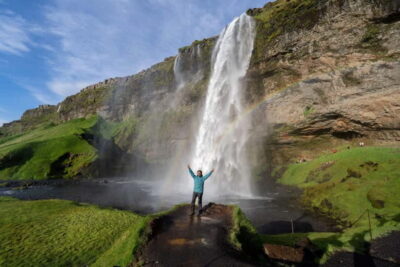
Katla Ice Cave & South Coast Waterfalls Tour
Read our review →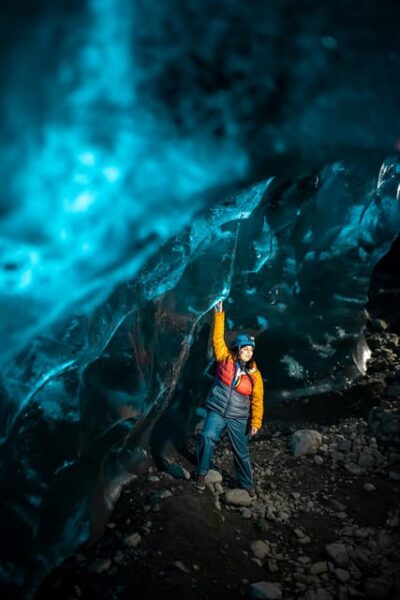
Browse the lists this tour appears in